Recherche parmi différents professeurs en Anglais…

(i-adjectiveの語幹)+ すぎる/すぎて/すぎた 。
 05:38
05:38 05:38
05:38Description
Let's make Japanese sentences together. If you make a sentence in Japanese, write it in the comment section! I will correct your sentences!
【Today's topic】
【⚪⚪すぎる】の二つ目の方 です。
(i-adjectiveの語幹)+ すぎる/すぎて/すぎた 。
この文法はJLPT N4の表現(ひょうげん)です。
📕復習(ふくしゅう)『i-adjective』(たのしい、かわいい おおきい やすい うらやましい かなしい ひどい)
in my case👩
桜(さくら)を見(み)にいったとき、人(ひと)が多すぎて びっくりした。
When I went to see the cherry blossoms, I was surprised to see so many people.
(ex)
机(つくえ)の角(かど)に足(あし)をぶつけて、いたすぎた。
桜(さくら)がうつくしすぎて 涙(なみだ)がでた。
Short sentences ➕ your feelings=you can speak a lot of Japanese.
Chaîne de podcasts
Japanese teacher Noriko’s room
Auteur
Tous les épisodes

Music Mayhem
10:01
useful Moroccan Arabic words
01:39
1 - Friends, Good Friends, and Best Friends
07:14
诗意中国
00:59
AMENAZA DE BOMBA EN UN CONCIERTO DE LALI EN ARGENTINA
02:07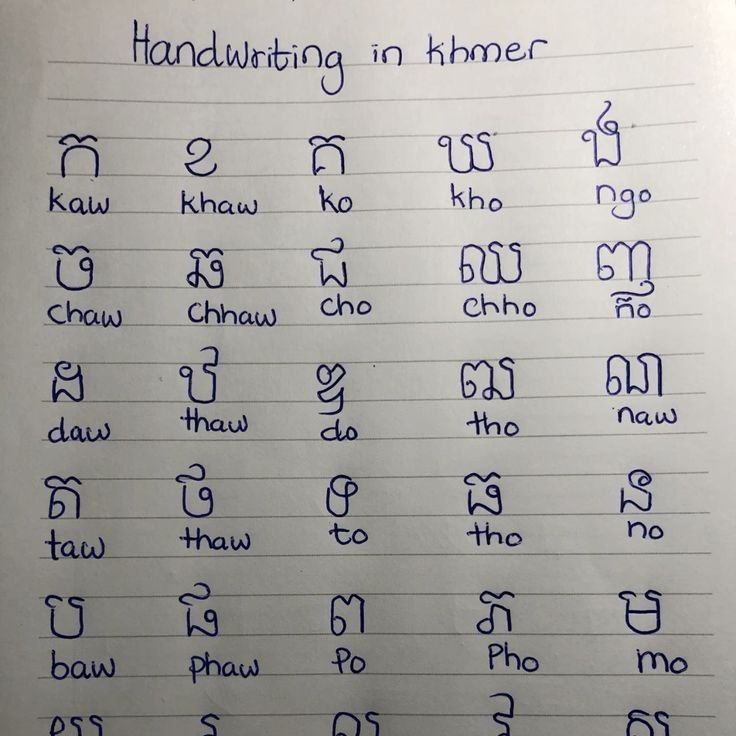
Episode 1: Learn to count 1 to 10។
00:40
Expresiones colombianas para referimos a nuestros intereses románticos
11:21
Business Dictionary - Acqui-hire - EP 7
03:47Épisodes populaires
The English Effect
Music Mayhem
10:01Darija with karima
useful Moroccan Arabic words
01:39Storyteller's Mind
1 - Friends, Good Friends, and Best Friends
07:14听优美短文,提升中文阅读和写作
诗意中国
00:59Oscar Cuenta - Your daily minute of Spanish
AMENAZA DE BOMBA EN UN CONCIERTO DE LALI EN ARGENTINA
02:07Learn Khmer Numbers 1 to 10(មានន័យថា៖ រៀនរាប់លេខខ្មែរពី ១ ដល់ ១០)
Episode 1: Learn to count 1 to 10។
00:40Colombia
Expresiones colombianas para referimos a nuestros intereses románticos
11:21The Global Professional Podcast
Business Dictionary - Acqui-hire - EP 7
03:47
