Recherche parmi différents professeurs en Anglais…

【Anime Japanese vs. Real Japanese】仕事で信頼を得るための決定的な違い~The Crucial Difference for Trust at Work~
 10:00
 10:00
Description
日本企業で働きたい方、アニメファンの皆さん、こんにちは!
『ONE PIECE』や『ポケモン』などのアニメやゲームは、日本語学習の最高のきっかけですよね。
しかし、「実際に職場で使おう」と思ったとき、アニメで覚えた話し方で本当に大丈夫でしょうか?
今回のエピソードでは、ビジネス日本語教師Mayukoが、アニメで学んだ日本語の「楽しさ」を活かしながら、職場で信頼される「ビジネス日本語」にアップグレードするためのヒントを解説します。
【クイズ】
Q.アニメで覚えた「〜っす」という話し方は、日本の職場で使っても問題ないでしょうか?
A. はい、問題ないです。使っても大丈夫です。
B.いいえ、問題があります。使ってはいけません。
答えはPodcastで!
🎤 このエピソードで学ぶ、ビジネス日本語へのアップグレード術
【Quiz】
Q. Is it acceptable to use "—ssu" (a casual anime ending) in a Japanese workplace?
A. Yes, it's fine; you can use it.
B. No, there's a problem; you should not use it.
Find the answer at the end of the Podcast's episode.
🎤 Learn to Upgrade to Business Japanese in This Episode
Anime Japanese is the best entry point. Keep that enjoyment, and remember that learning the business rules of "when and where to use it" is the quickest path to career success!
---------------------------------------------------------
✅ 決定的な違いは「距離感」:
アニメの「タメ語」や「役割語(キャラクターの個性を示す言葉)」は距離がゼロの表現です。
ビジネスで信頼を得るために必須の、「丁寧語」や「謙譲語」といった敬語を使って、上司や顧客との適切な距離を作る方法を学びます。
✅ 特殊な表現は使わない:
キャラクター特有の特別な表現(「〜っす」「〜かしら?」など)は、ビジネスの場面ではNGです。仕事では性別に関係なく、語尾は必ず「です・ます」で統一する具体的な変換例を紹介します。
✅ 感情の表現を和らかくする「クッション言葉」:
「マジで?」「最悪だ!」といったストレートな感情表現を、「さようでございますか」「申し訳ございません」といったやわらかい言葉に変える練習をしましょう。
✅ The Key Difference is "Social Distance" (Kyori-kan):
Casual Tame-go and "Role Language" from anime are zero-distance expressions. Learn how to create appropriate distance with your superiors and clients using Keigo (honorific language) like Teineigo and Kenjōgo.
✅ Avoid Character-Specific Language:
Endings that show strong personality (like "—ssu" or "—kashira?") are **NG in business settings**. We show specific examples of how to unify your speech with **"Desu/Masu"**, regardless of gender.
✅ Softening Emotions with "Cushion Words":
Practice changing straight emotional expressions (*Maji de?", "Saiaku da!") into soft words (yawaraka-i kotoba) like "Cushion Words" (Sayō de gozaimasu ka, Mōshiwake gozaimasen).
Chaîne de podcasts
Let's work in Japanese!(日本語を使って、働こう)
Auteur
Tous les épisodes

2. Standard negation with "不(bù)"【A1】
03:08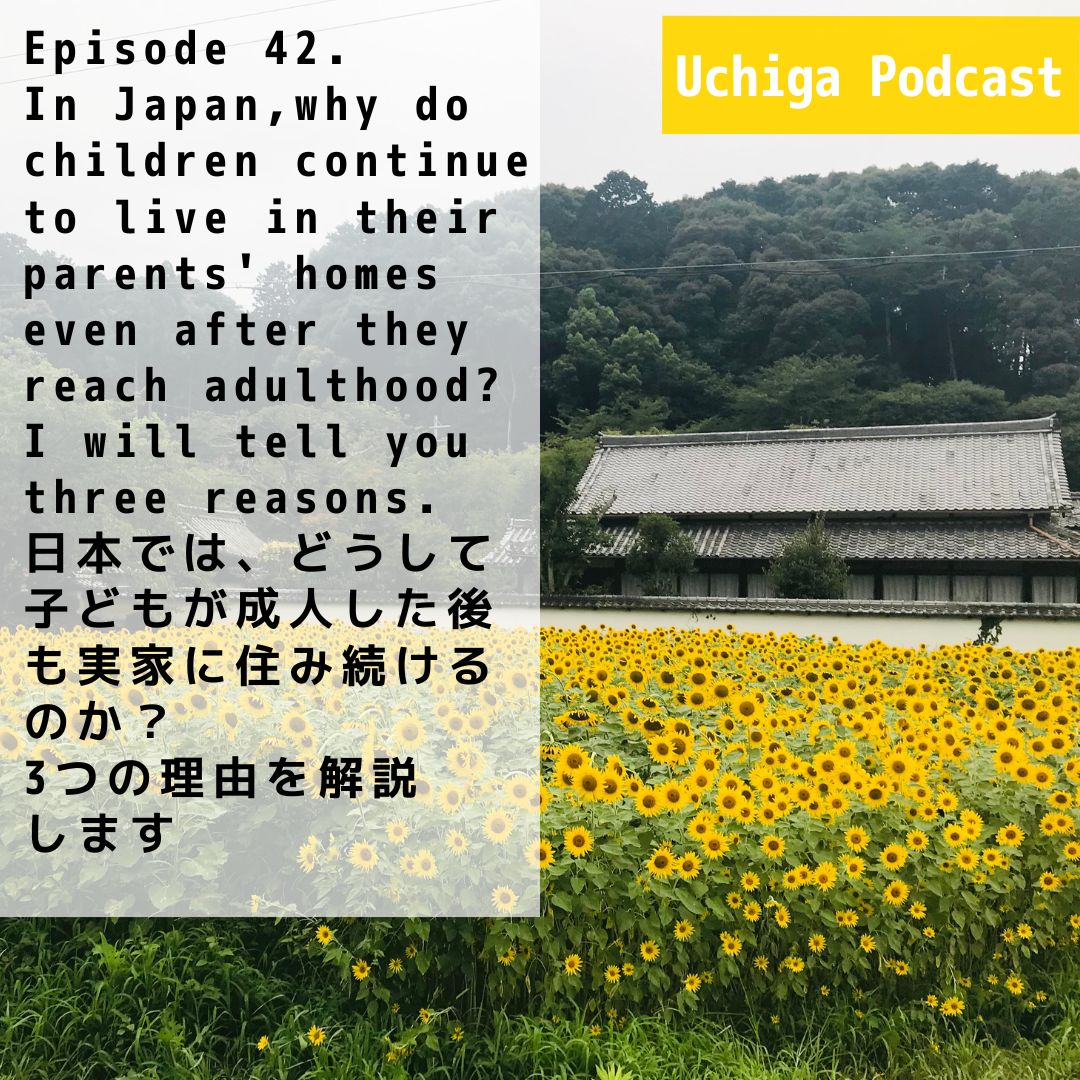
In Japan, why do children continue to live in their parents' homes even after they reach adulthood? I will tell you three reasons.
15:11
IELTS Preparation. Band 8-9 Answers. Part 1 - Humor.
05:03
Episódio 3 - O boto-cor-de-rosa: entre o mito e a cultura amazônica (EM PORTUGUÊS)
02:36
#111 前職の経験 My First Job Experience
08:53
Glad to meet you 见到你很高兴
00:46
Should we fire him or promote him?
02:34
enfadado.
00:19Épisodes populaires
Easy Steps to Chinese Grammar
2. Standard negation with "不(bù)"【A1】
03:08[Intermediate-Upper level] Interesting Japanese Not Taught In Schools About Japanese business culture, Japanese habits & Osaka
In Japan, why do children continue to live in their parents' homes even after they reach adulthood? I will tell you three reasons.
15:11IELTS-SPEAKING 8-9 BAND IS POSSIBLE. DAILY SPEAKING PRACTICE PART 1,2 & 3. Listen daily.
IELTS Preparation. Band 8-9 Answers. Part 1 - Humor.
05:03Everyday Portuguese
Episódio 3 - O boto-cor-de-rosa: entre o mito e a cultura amazônica (EM PORTUGUÊS)
02:36Nihongo Hiyori | Japanese Podcast
#111 前職の経験 My First Job Experience
08:53日常中文(Daily Chinese)
Glad to meet you 见到你很高兴
00:46DAILY Business English VOCABULARY builder
Should we fire him or promote him?
02:34CHISTES MEXICANOS
enfadado.
00:19
