多彩な 英語 講師陣から検索…

The Malayalam Case System — Seven Endings That Replace Every English Preposition | Learn Malayalam #61
 08:25
08:25 08:25
08:25説明
Last class you learned that Malayalam builds words like trains. Today you get the most important set of carriages in the whole language.
In English, when you want to say where something is, or who it belongs to, or who you gave it to, you reach for a little word and put it in FRONT of the noun:
in the house · to Raman · of my mother · with my friend · from the shop
Malayalam does not use little words in front. Malayalam attaches an ending to the BACK of the noun. Traditional grammar names seven of these endings and calls them the cases.
Now — the word "case" frightens people, usually because of a bad experience with Latin, German or Russian at school. Let me remove that fear straight away, because Malayalam's case system is far kinder than any of those. The endings are regular. There are no genders to memorise. There is no table of irregular exceptions waiting to ambush you. You learn seven endings and you have replaced every English preposition at once.
That is the trade. Seven carriages, and prepositions stop being something you translate and start being something you attach.
In this class:
• All seven cases, what each one does, and the ending that marks it
• Which English preposition each case replaces
• Why Malayalam cases are gentler than Latin, German or Russian
• How the case ending couples onto the noun-train from Class 60
Take Class 60 on agglutination first if you have not.
Quizzes below.
Dr. Reshmi R Nair — SpeakMalayalam.
ポッドキャストチャンネル
Malayalam Grammar Made Obvious | Cases, Verbs and Tenses
製作者
全エピソード
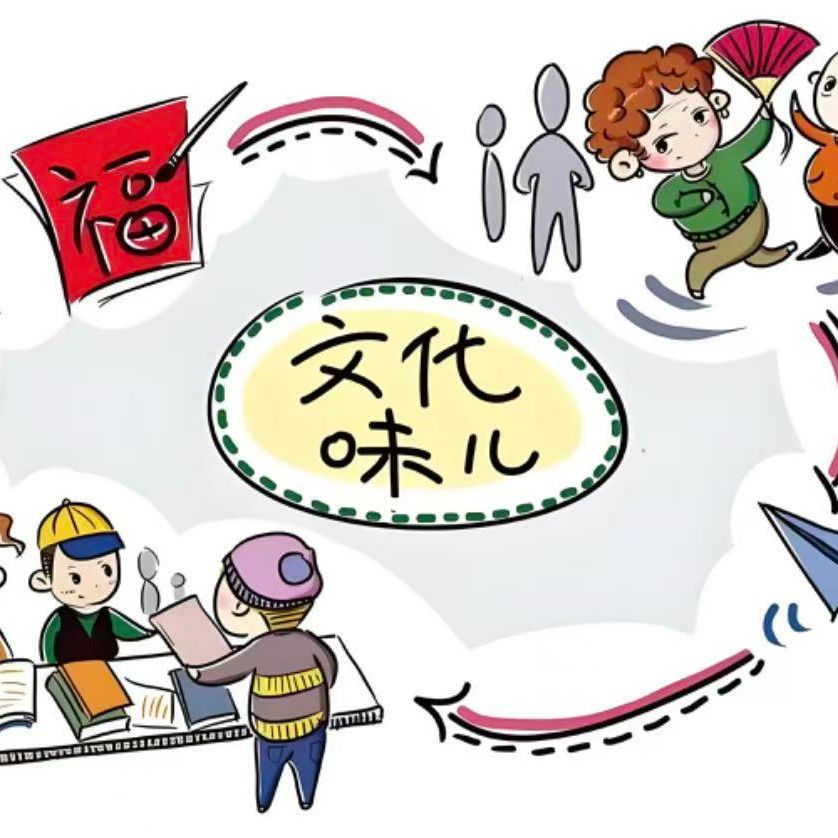
中文趣说 Episode 7:Chinese Names
01:11
Ep.16 学ぶことは今からでもぜんぜん遅くない【Natural Japanese Podcast】
24:33
Simple Sentences in Hindi(Sanskrit and English)
03:37
HSK4级听力题-10
01:12
Ayurveda Vocabulary — How Kerala Actually Talks About the Body | Learn Malayalam #127
12:29
HSK1 第14课 她买了不少衣服
03:54
かずをおぼえよう
02:56
There is NO HACK!
07:35人気のエピソード
中文趣说 Chinese Fun Talk
中文趣说 Episode 7:Chinese Names
01:11けいすけの日本語ポッドキャスト
Ep.16 学ぶことは今からでもぜんぜん遅くない【Natural Japanese Podcast】
24:33Learn Fluent Hindi with Professor Ashish...
Simple Sentences in Hindi(Sanskrit and English)
03:37秧秧老师的中文课堂-HSK专项练习
HSK4级听力题-10
01:12Kerala Culture Decoded | Onam, Weddings, Family and Customs
Ayurveda Vocabulary — How Kerala Actually Talks About the Body | Learn Malayalam #127
12:29hsk
HSK1 第14课 她买了不少衣服
03:54にほんごのれんしゅう
かずをおぼえよう
02:56KRISTEL TALKS
There is NO HACK!
07:35
