多彩な 英語 講師陣から検索…
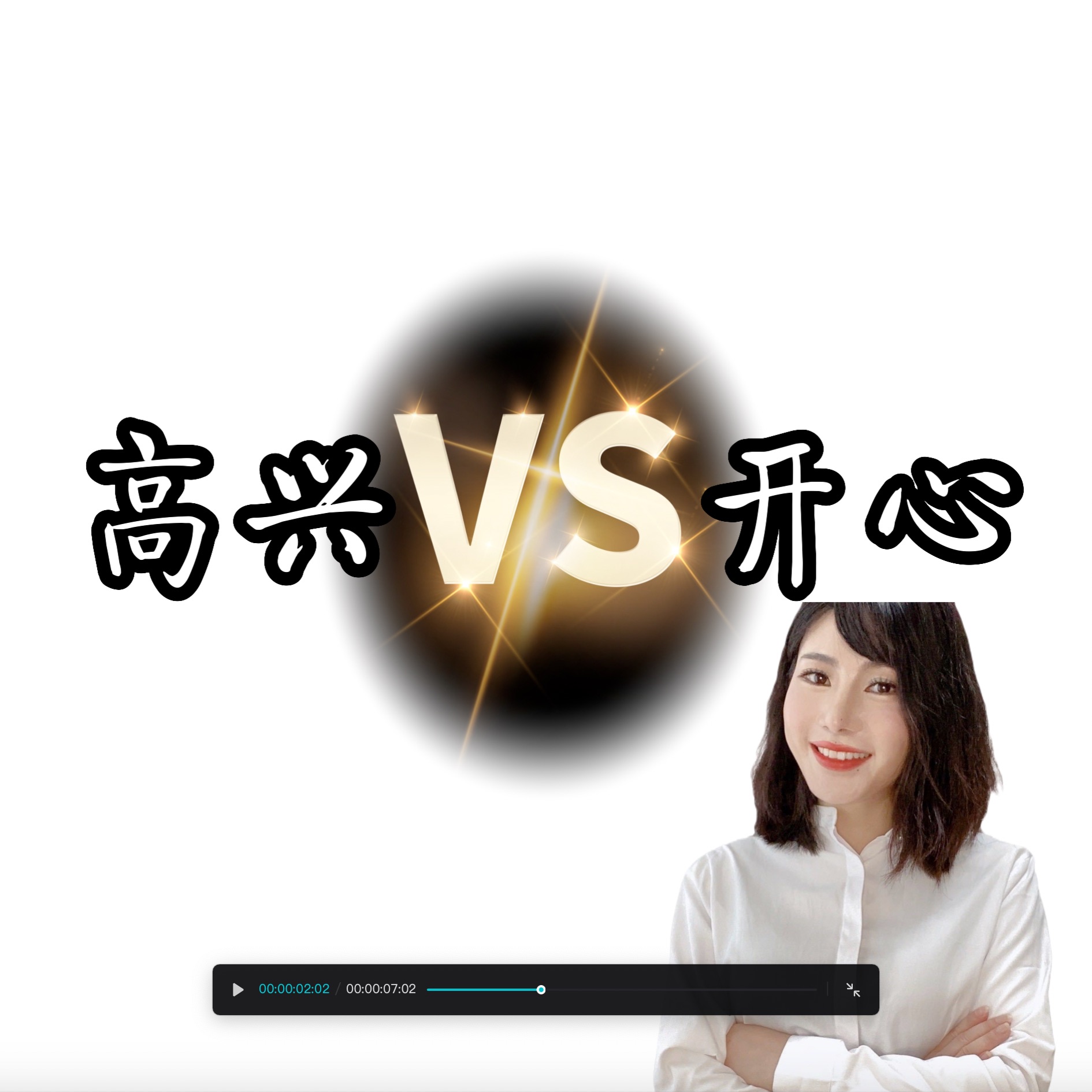
不 (bù) VS 没有 (méi yǒu)
 01:22
01:22 01:22
01:22説明
what is the difference between 不 and 没有?
不 (bù) and 没有 (méi yǒu) are both negation words in Chinese, but they are used in slightly different ways.
不 (bù) is an adverb that negates the verb or adjective that follows it. It is used to express "not" or "no."
For example:
我不喜欢吃苹果 (wǒ bù xǐ huān chī píng guǒ) - I don't like eating apples
他不是医生 (tā bù shì yī shēng) - He is not a doctor
没有 (méi yǒu) is used to negate the verb in the past tense or to express "not have." It is often used in combination with a verb in the past tense to indicate that something did not happen.
For example:
我没有吃早饭 (wǒ méi yǒu chī zǎo fàn) - I didn't eat breakfast
他没有去过北京 (tā méi yǒu qù guo běi jīng) - He has not been to Beijing
ポッドキャストチャンネル
Difference between A and B in Chinese with Shanmei
製作者
全エピソード

14 Things Successful People Do Before Breakfast.m4a
05:54
Est-ce que tu aimes être touché?!
08:56
EL DÍA DEL "FRIKI"
19:55
Ep.34 日本の美容院はいくら?💇♀️💸
12:08
Tradiciones navideñas en Venezuela
05:22
Thinking in English
01:06
मेरा परिचय / How To Introduce Yourself
01:34
Una mujer declarada muerta 'resucita' en su propio ataúd durante el velatorio
04:35人気のエピソード
Improve Your English With Martins
14 Things Successful People Do Before Breakfast.m4a
05:54French Stories For All
Est-ce que tu aimes être touché?!
08:56¡Qué Pasa! Podcast en Español
EL DÍA DEL "FRIKI"
19:55SeikaのPodcast🎧
Ep.34 日本の美容院はいくら?💇♀️💸
12:08Costumbres y Tradiciones de Venezuela
Tradiciones navideñas en Venezuela
05:22Teacher Stan's musings
Thinking in English
01:06Daily Life Hindi Podcasts
मेरा परिचय / How To Introduce Yourself
01:34Cafecito con Ale
Una mujer declarada muerta 'resucita' en su propio ataúd durante el velatorio
04:35