다양한 영어 선생님을 검색해 보세요...

S2 Ep6. 日本語のアクセント
 03:03
03:03 03:03
03:03설명
Full transcript: https://japanesemayuna.com/
はい、こんにちは。今回はシーズン2の6回目です。2023年明けましておめでとうございます。1月1日の午前中、家の周りを散歩しました。去年の正月はとても静かでしたが、今年の正月はなんだか賑やかでした。家の周りの公園やカフェやレストランに外国人観光客がたくさんいたからです。日本では家や近所で正月を過ごす人が多いですが、他の国では海外旅行をする人が多いですね。私も海外旅行に行きたいですが、今の航空券の値段が高すぎて驚いています。
Hello. This is episode 6 of season 2 of my podcast. Happy New Year! I hope you all have a wonderful 2023. On the morning of 1 January, I took a walk around my neighbourhood. Last New Year's Day was very quiet, but this New Year's Day was somewhat lively. This is because there were many foreign tourists in the parks, cafés and restaurants nearby my house. In Japan, many people spend New Year's at home or in their neighbourhood, but in other countries, many people travel abroad. I would like to travel abroad too, but I am surprised at how expensive airline tickets are nowadays.
今日は日本語のアクセントについてお話ししたいと思います。例えば日本語では「箸」と「橋」の例が有名です。この二つの単語は「は」と「し」で出来ていますから、ひらがなで書くと全く同じです。読み方で意味の違いを表現します。「箸」のように「は」を「し」よりも高いピッチで発音すると、chopsticksの意味になります。もう一度発音します「箸」。そして、「橋」のように「は」を「し」よりも低いピッチで発音すると、bridgeの意味になります。もう一度発音します「橋」。箸を使って、寿司を食べます。ロンドンブリッジは有名な橋です
Today I would like to talk about pitch accent in Japanese. For example, the well-known examples in Japanese are ‘Hashi' (chopsticks) and ‘Hashi' (bridge). These two words are made up of 'ha' and 'shi', so when written in hiragana they are exactly the same. The way they are pronounced expresses the difference in meaning. If the 'ha' is pronounced with a higher pitch than the 'shi', as in 'Hashi', it means 'chopsticks'. Pronounce it again ‘Hashi' (chopsticks). And if you pronounce the 'ha' lower in pitch than the 'shi', as in 'Hashi', it means ‘bridge’. Pronounce it again, ‘Hashi' (bridge). Use ‘Hashi' (chopsticks) to eat sushi. London Bridge is a famous ‘Hashi' (bridge).
팟캐스트 채널
Japanese Lessons with Mayuna
작성자
모든 에피소드
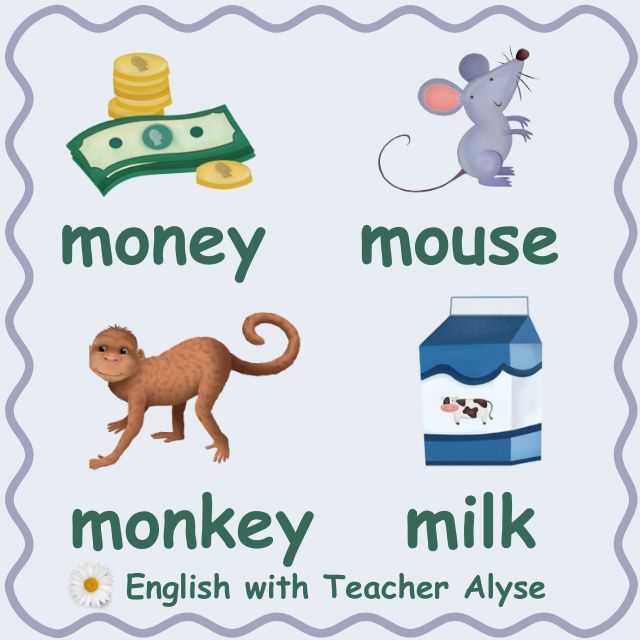
Letter M
02:44
さしすせその調味料(ちょうみりょう) The basic seasonings for Japanese cuisine
02:16
Música de los 60s y 70s Ft. Juliana (Brasil)
11:45
What is the difference between...?
00:36
1. Advent: Weihnachtsbräuche
05:06
That's a terrible time to start work!
02:10
Learn Three Sentences a Day:Day20
01:42
〈#74〉6月7日火曜日 小学生が犯罪から身を守る方法を学ぶ
02:59인기 팟캐스트
Phonics The Alphabet
Letter M
02:44やさしい日本語(にほんご)
さしすせその調味料(ちょうみりょう) The basic seasonings for Japanese cuisine
02:16Mucho que decir
Música de los 60s y 70s Ft. Juliana (Brasil)
11:45The Habits of Professionals Growing Into Strong, Confident English Communicators
What is the difference between...?
00:36German Chit Chat
1. Advent: Weihnachtsbräuche
05:06DAILY Business English VOCABULARY builder
That's a terrible time to start work!
02:10Master Mandarin Daily : Learn Three Sentences a Day!
Learn Three Sentences a Day:Day20
01:42北海道Hokkaido生活 for Japanese learners
〈#74〉6月7日火曜日 小学生が犯罪から身を守る方法を学ぶ
02:59
