다양한 영어 선생님을 검색해 보세요...

Malayalam Passives and Blame — Part 2: Four Ways to Leave the Doer Out | Learn Malayalam #264
 10:17
10:17 10:17
10:17설명
Malayalam has a passive, but in conversation it prefers other ways to say something happened without naming who did it.
This class covers four mechanisms. The formal -പ്പെടുക passive of newspapers and documents; intransitive verb pairs, so ഗ്ലാസ് പൊട്ടി (the glass broke) rather than ഞാൻ ഗ്ലാസ് പൊട്ടിച്ചു (I broke the glass); the impersonal -ണം, which states a requirement with no 'you' in it; and the dative of the affected person, as in എനിക്ക് തെറ്റി, it went wrong for me. Then the completive -പോയി, and how to admit a small mistake the Kerala way.
Words and phrases in this class:
മോഷ്ടിക്കപ്പെട്ടു (moshtikkappettu) – was stolen
എന്റെ ഫോൺ പോയി (ente phone poyi) – my phone is gone
ഞാൻ ഗ്ലാസ് പൊട്ടിച്ചു (njaan glass pottichu) – I broke the glass
ഗ്ലാസ് പൊട്ടി (glass potti) – the glass broke
കറന്റ് പോയി (current poyi) – the power went
പൈസ തീർന്നു (paisa theernnu) – the money ran out
ഇത് ചെയ്യണം (ithu cheyyanam) – this needs doing
ഇവിടെ ഒപ്പിടണം (ivide oppidanam) – it must be signed here
എനിക്ക് തെറ്റി (enikku thetti) – I made a mistake
എനിക്ക് മറന്നുപോയി (enikku marannupoyi) – I forgot
എനിക്ക് വൈകിപ്പോയി (enikku vaikippoyi) – I was late
എനിക്ക് ദേഷ്യം വന്നു (enikku deshyam vannu) – I got angry
ഞാൻ പറഞ്ഞുപോയി (njaan paranjupoyi) – I let it slip
In this class:
• The formal -പ്പെടുക passive, and why conversation avoids it
• Transitive and intransitive pairs: who broke it versus it broke
• The impersonal -ണം and the dative of the affected person
• The completive -പോയി, and admitting a mistake the local way
Quizzes below.
Dr. Reshmi R Nair — SpeakMalayalam.
팟캐스트 채널
Malayalam Grammar Made Obvious | Cases, Verbs and Tenses
작성자
모든 에피소드

Marcus’s Big Decision: Should He Stay or Should He Go?
10:16
How to Create a Powerful Presentation Introduction
12:09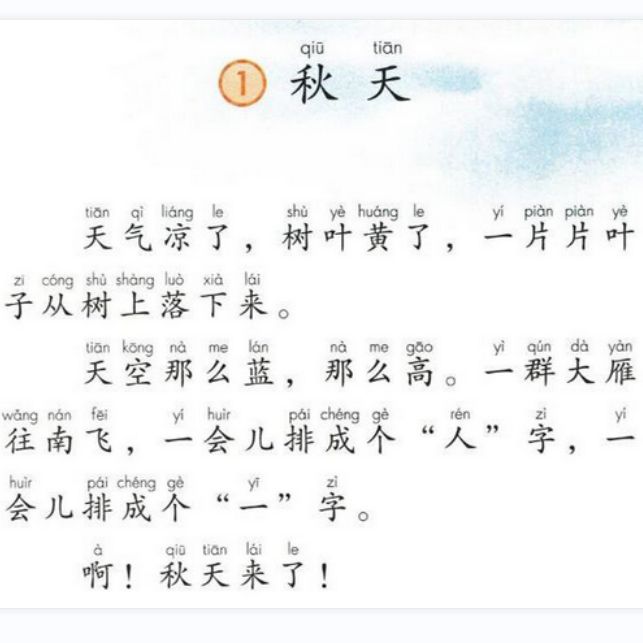
秋天
00:56
Las ballenas
02:45
20The custom of giving gifts in China
01:18
003. 你好吗?聊聊各国打招呼的方式 Greeting in Different Countries - ttmiChinese
07:27
#414 N3 漢字"示"について
05:01
Standing there like Lemons (with transcript)
06:21인기 팟캐스트
Turtle's Pace English Stories
Marcus’s Big Decision: Should He Stay or Should He Go?
10:16Business English with Tannia
How to Create a Powerful Presentation Introduction
12:09日常用语
秋天
00:56Español con Yasmira
Las ballenas
02:45Knowing Everything About Chinese Cultrue
20The custom of giving gifts in China
01:18聊聊东西 - Talk to Me in Chinese
003. 你好吗?聊聊各国打招呼的方式 Greeting in Different Countries - ttmiChinese
07:27Atsushi のJapanese podcast (travel/news /文法・漢字・語彙/Osaka/Hokkaido/🇹🇷🇬🇪🇦🇲🇪🇸🇵🇹)
#414 N3 漢字"示"について
05:01Teacher Joseph's Podcast
Standing there like Lemons (with transcript)
06:21
