Pesquise entre vários professores de Inglês...

Gestures, Body Language and the Head Movement Nobody Can Read | Learn Malayalam #201
 09:29
09:29 09:29
09:29Descrição
A very large share of communication is not words, and every learner discovers this the hard way: you understand the sentence and still miss the message.
THE HEAD MOVEMENT
Visitors call it the Indian head wobble and find it maddening because they cannot tell yes from no. The answer is more interesting than you expect: it is not one gesture but a family of them, and speed and amplitude carry the meaning.
Quick, small side-to-side tilt — yes, agreed, fine, I accept.
Slower, larger, circular sweep — I acknowledge, possibly, I hear you, without committing. The non-verbal equivalent of നോക്കട്ടെ, the soft no.
A single sharp tilt with raised eyebrows — go ahead, carry on, what is it.
A gentle continuous wobble while listening — I am following you, keep going. Backchannelling with the head instead of the voice.
What it almost never means is no. Refusal is a clear turn of the head, a hand gesture, or a spoken ഇല്ല.
Fast and small is yes. Slow and wide is maybe. And within a few months of living in Kerala you will start doing it yourself, unconsciously — gesture is contagious in a way vocabulary is not.
THE HANDS
Give and receive with the right hand or both hands together; both hands to an elder is a deliberate mark of respect. The Indian beckon is palm DOWN with the fingers sweeping toward you — the Western palm-up finger curl can look rude. Do not point at people with one finger; use an open hand or a chin lift, and learn to read the chin lift meaning "that one, over there".
HEAD AND FEET
The head is the most respected part of the body across much of South and Southeast Asia. Ruffling a child's hair is fine; an adult's head is not. The feet are the least respected: do not point them at a person, a shrine or food, and do not step over someone sitting on the floor. If you touch someone with your foot, the conventional apology is a light touch with the hand, then your own chest or eyes — it takes half a second and you will see Malayalis do it instinctively.
PHYSICAL CONTACT
Same-sex closeness is much greater than in northern Europe or North America — men hold hands, walk with arms around shoulders, sit pressed together, and women do the same. This carries no romantic implication whatsoever, and reading it that way is a well-known cross-cultural error. Opposite-sex contact in public is much more restrained: let the woman initiate a handshake, and if none is offered, a nod or a നമസ്കാരം is correct and complete.
നമസ്കാരം — palms together at chest height with a slight bow — is always safe, works across gender, religion and age, and requires no contact at all. When in any doubt, use it.
Quizzes below.
Dr. Reshmi R Nair — SpeakMalayalam.
Canal de Podcast
Speak Real Malayalam | Slow • Clear • Natural
Autor
Todos os episódios
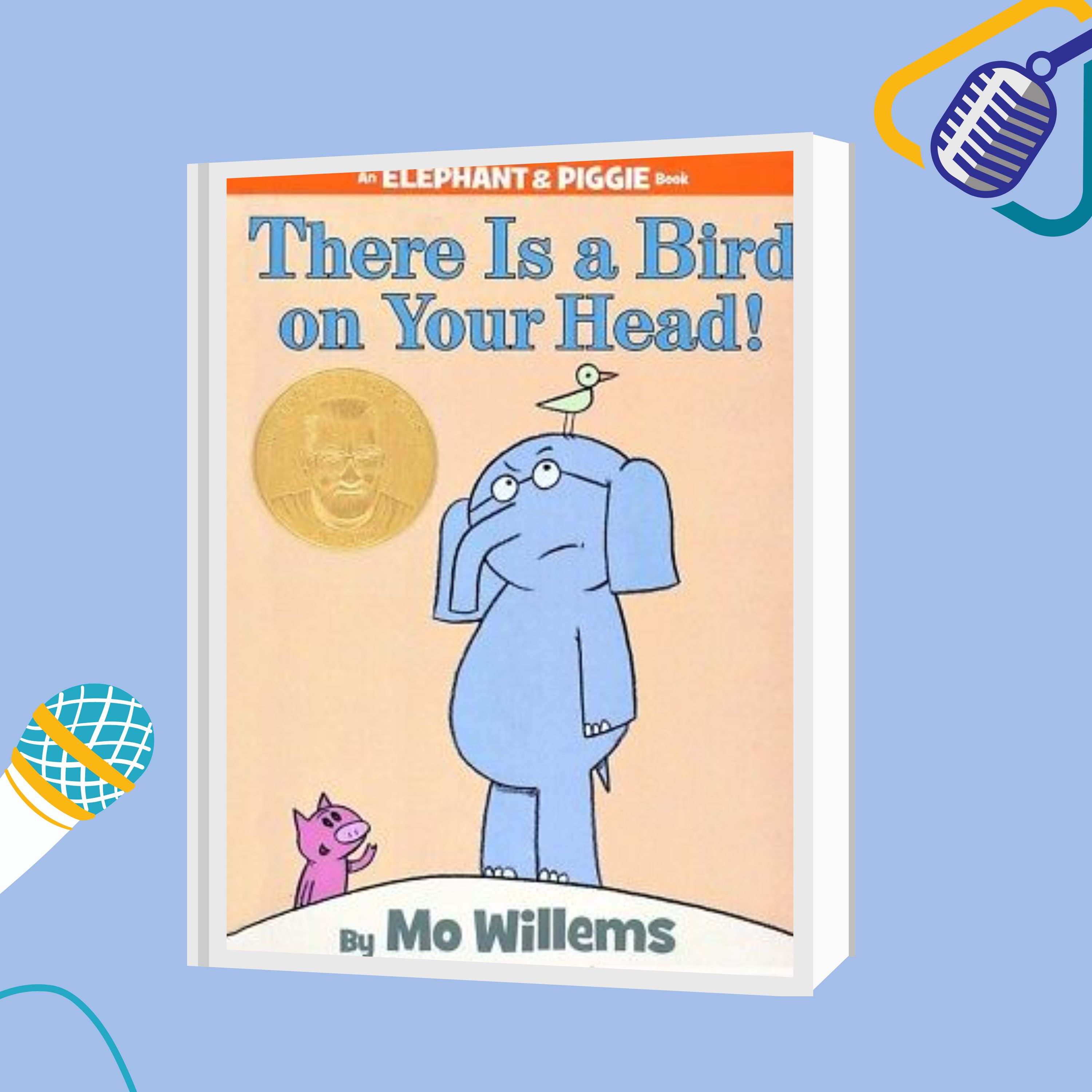
Episode 1: There is a Bird on Your Head by Mo Willems
03:37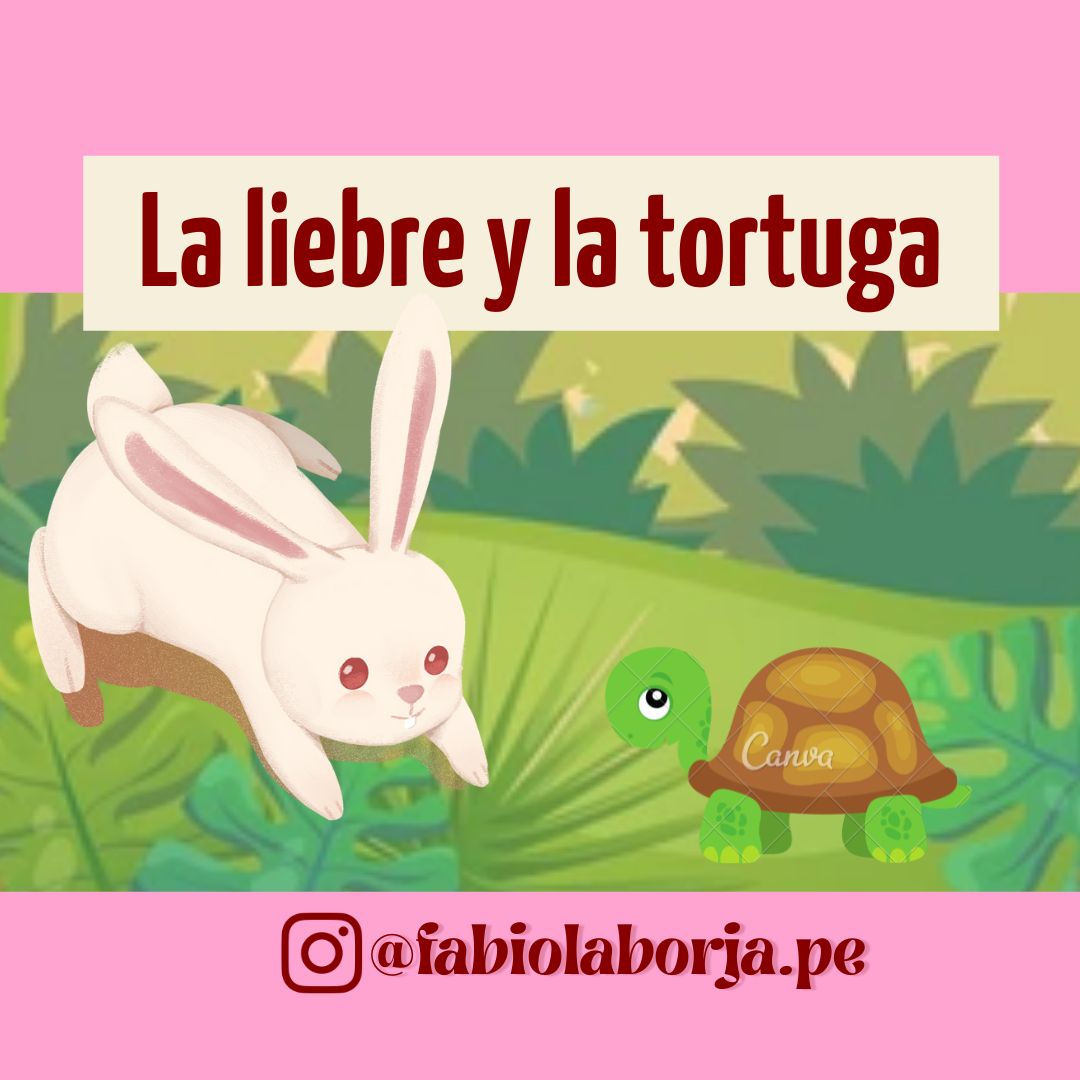
Cuento de la "Liebre y la tortuga"
03:03
الإنترنت \ internet 🛜
00:48
第4回:日本の変わった自動販売機 Japanese strange vending machines
05:22
你多大?How old are you?
05:13
Gírias 5
03:34
"Idioms That Hit Different" – Three New Gems for Your Vocabulary
04:21
Kerala Travel in Malayalam: Backwaters, Munnar, Kovalam | Learn Malayalam #301
10:23Episódios populares
Story Time for Kids with Teacher Amanda
Episode 1: There is a Bird on Your Head by Mo Willems
03:37Spanish with FABI :)
Cuento de la "Liebre y la tortuga"
03:03Gulf Dialect (Level 2)
الإنترنت \ internet 🛜
00:48Learn Japanese with Yoshiko
第4回:日本の変わった自動販売機 Japanese strange vending machines
05:22Jason and Luna‘s mini Class
你多大?How old are you?
05:13Portuguese Drops
Gírias 5
03:34The Everyday English Podcast
"Idioms That Hit Different" – Three New Gems for Your Vocabulary
04:21Malayalam Survival Kit | Food, Travel & Getting Around Kerala
Kerala Travel in Malayalam: Backwaters, Munnar, Kovalam | Learn Malayalam #301
10:23
