Çeşitli İngilizce öğretmenleri arasından arama yapın...
From Japan to Hawaii: The History of Aloha Shirts
 02:19
 02:19
Açıklama
It's no secret that Hawaii is a favorite destination for Japanese tourists. In 2023, the islands welcomed around 573,000 visitors from Japan — the most from any country.
But did you know there's a connection between Japan and Hawaii that goes beyond travel and into clothing?
Aloha shirts, also known as Hawaiian shirts, have roots in Japanese culture, beginning with Japanese immigrants in Hawaii.
In the late 1800s, Japanese immigrants in Hawaii started importing Japanese clothing as well as rolls of fabric to make clothes with.
In the 1920s, locals in Hawaii saw these fabrics and started using them to make casual dress shirts with Japanese patterns on them. These shirts became popular with tourists to Hawaii.
Soon after, aloha shirts were made in bulk, but instead of using fabric made for Japanese clothing, stores in Hawaii started bringing in printed fabrics made just for aloha shirts.
And by the late 1930s, the designs had changed from Japanese patterns to the Hawaiian inspired patterns we're used to today — images of Mount Fuji and Japanese pine trees were replaced with things like coconut trees, surfers and fish.
But even though today's aloha shirts don't look very Japanese inspired, they still remain popular within Japan.
Yosuke Seki, an aloha shirt aficionado who goes to Hawaii every year, told CNN he wears his shirts daily, and hopes to inspire others to try them.
"Right now, I'm wearing a replica of one of the expensive designs," Seki said, adding that his shirt cost between $130 and $200. The more expensive shirts can cost thousands of dollars, he explained.
And for some fans, aloha shirts are not just clothing — they're collectable items, or even considered art.
Yoshihiro Nakano is the brand director of Sun Surf, a Japanese company that has been making aloha shirts for about 50 years. Many customers don't even wear the aloha shirts they buy, and instead just collect them or frame them, Nakano told CNN.
Yayın Kanalı
Practice Listening, Reading & Comprehension
Yazar
Bütün bölümler

B2/C1: Polskie narzekanie - sport narodowy, kod kulturowy czy wspólna terapia?
08:07
31002-5
09:38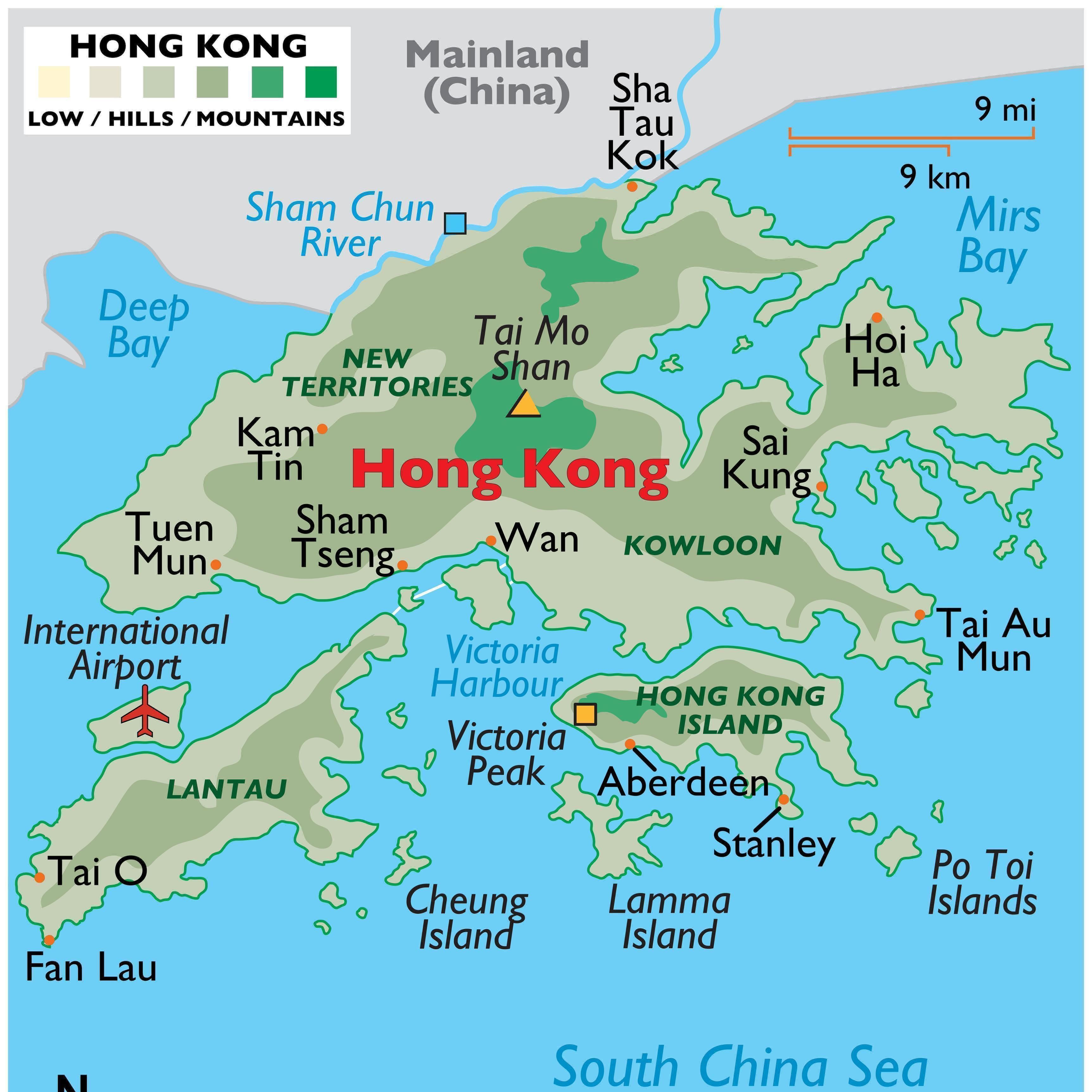
Hong Kong
09:05
Season 1 : Episode 22 : “its up to you” In Casual Japanese (1-minute episodes)
00:25
Medical Spanish🎧🏥
01:06
Ep.69 「成人式(せいじんしき)」にいくらかかる?👘💸💭
12:09
Present Perfect: have done vs did, for and since | IELTS #025
10:37
Multiple Choice in Reading | IELTS #085
09:54Popüler bölümler
Your dose of Polish language
B2/C1: Polskie narzekanie - sport narodowy, kod kulturowy czy wspólna terapia?
08:07chinesewithsallys
31002-5
09:38English with Uncle Billy
Hong Kong
09:05Super Casual Japanese with Teppei
Season 1 : Episode 22 : “its up to you” In Casual Japanese (1-minute episodes)
00:25Mucho que decir
Medical Spanish🎧🏥
01:06SeikaのPodcast🎧
Ep.69 「成人式(せいじんしき)」にいくらかかる?👘💸💭
12:09IELTS Complete Course | Band 9 Self-Study Podcast A1 to C2
Present Perfect: have done vs did, for and since | IELTS #025
10:37IELTS Complete Course | Band 9 Self-Study Podcast A1 to C2
Multiple Choice in Reading | IELTS #085
09:54
