Çeşitli İngilizce öğretmenleri arasından arama yapın...
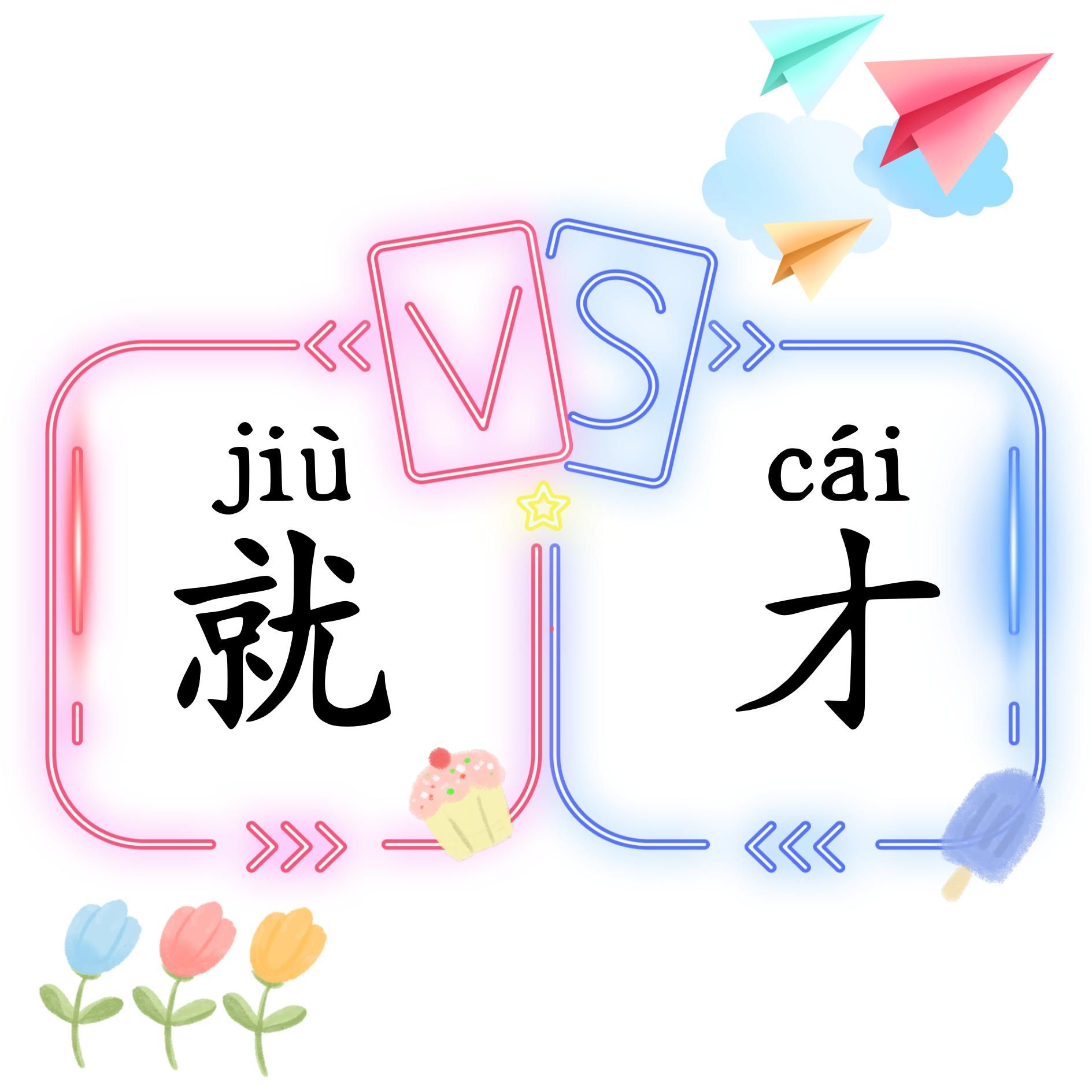
就jiù&才cái
 01:07
01:07 01:07
01:07Açıklama
就(jiù):emphasizes that the speaker thinks that the event occurs too early, too fast or too smoothly;
才(cái):emphasizes that the speaker thinks that the event occurs too late, too slowly or too difficultly.
For example:
bā diǎn shànɡ kè ,
八 点 上 课 ,
dà wèi qī diǎn bàn jiù lái le ,
大 卫 七 点 半 就 来 了 ,
mǎ kè bā diǎn shí fēn cái lái 。
马 克 八 点 十 分 才 来 。
zuò huǒ chē shí ɡè xiǎo shí cái dào běi jīnɡ ,
坐 火 车 十 个 小 时 才 到 北 京 ,
zuò fēi jī yí ɡè bàn xiǎo shí jiù dào le 。
坐 飞 机 一 个 半 小 时 就 到 了 。
Yayın Kanalı
JOJO CHINESE
Yazar
Bütün bölümler
Verbo ESSERE - Imperfetto
00:34
Beginner Chinese Listening:立春 Beginning of Spring
00:33
어디로 여행 가세요?
00:54
México
30:31
discount
01:04
#226 海外旅行について! 19
07:28Beginner Chinese Listening:冬天去哪玩儿?Winter travel, where to go?
00:29
Theory vs. Practice
06:41Popüler bölümler
SHORT ITALIAN LESSONS - Slow Italian
Verbo ESSERE - Imperfetto
00:34Beginner Chinese Listening
Beginner Chinese Listening:立春 Beginning of Spring
00:33[Korean] Culture & Travel Talk
어디로 여행 가세요?
00:54The Red Pill Posdcast in Spanish
México
30:31Taiwan
discount
01:04Atsushi のJapanese podcast (travel/daily life/culture/news etc…)
#226 海外旅行について! 19
07:28Beginner Chinese Listening
Beginner Chinese Listening:冬天去哪玩儿?Winter travel, where to go?
00:29KRISTEL TALKS
Theory vs. Practice
06:41
