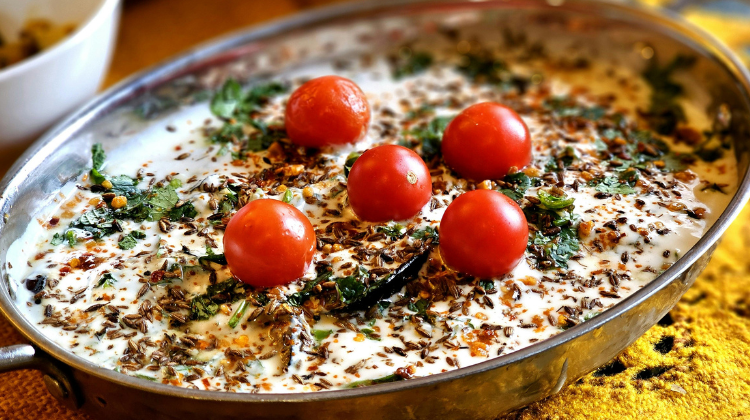
Arabic food is more than just a cuisine, it’s a story. A story of family gatherings, hospitality, spice markets, centuries of tradition, and the warm Middle Eastern culture that brings people together around a shared table.
From the aromatic dishes of the Levant to the rich, spiced flavors of the Gulf and the bold, earthy tastes of North Africa, Arabic cuisine is one of the most diverse and celebrated food cultures in the world. Every dish carries history, identity, and a deep connection to the people who prepare and share it.
Whether you’ve tasted shawarma, hummus, or falafel, or you’re simply curious about what “Arabic food” actually includes, this guide will introduce you to the most famous dishes, their origins, and why they matter far beyond the plate.
What Is Arabic Food?
Arabic food, also known as Arab cuisine, refers to the traditional dishes of Arabic-speaking countries, including:
- Syria
- Lebanon
- Jordan
- Palestine
- Iraq
- Saudi Arabia
- UAE
- Egypt
- Morocco
- Algeria
- Tunisia
Although each region has its own identity and unique flavors, Arabic cuisine shares common themes that connect all these countries together:
✔ Warm spices like cumin, cinnamon, and cardamom
✔ Fresh herbs such as parsley, mint, and coriander
✔ Staple ingredients like rice and bread
✔ Slow-cooked meats that are rich in flavor
✔ Olive oil, garlic, lemon, and tahini as essential bases
✔ A strong culture of hospitality and generosity
Arabic food is not just about eating. It is about sharing, welcoming, and creating meaningful moments. Meals are often enjoyed together, with dishes placed in the center of the table for everyone to share, reinforcing a sense of connection.
Famous Arabic Dishes You Must Try
Here are some of the most iconic dishes across the Arab world. These are the dishes that truly define Arabic cuisine.
🍢 1. Shawarma
Spiced meat cooked on a vertical rotisserie, thinly sliced, and wrapped in bread with garlic sauce or tahini.
Origin: Levant (Syria and Lebanon)
🥗 2. Tabbouleh
A fresh salad made with parsley, mint, tomatoes, bulgur, lemon, and olive oil. Light, refreshing, and full of flavor.
🍛 3. Kabsa / Makloubeh
Flavorful rice dishes layered with meat, spices, and vegetables.
Kabsa is popular in the Gulf region.
Makloubeh is a Levantine dish and literally means “upside-down”.
🍢 4. Falafel
Deep-fried balls made from chickpeas or fava beans. Crispy on the outside and soft on the inside. A global vegetarian favorite.
🥙 5. Hummus
A smooth blend of chickpeas, tahini, lemon, garlic, and olive oil. Creamy, rich, and incredibly addictive.
🫓 6. Manakish
Often called the “Arab pizza,” topped with zaatar, cheese, or minced meat. A breakfast staple in Syria and Lebanon.
🍖 7. Kebab
Grilled, skewered meat seasoned with spices. Variations exist across almost every Arabic country.
🍽️ 8. Warak Enab
Stuffed grape leaves filled with rice, herbs, and sometimes meat. A dish often prepared for gatherings and special occasions.
🧆 9. Kibbeh
Considered Syria’s national dish. Made from bulgur, meat, and spices, shaped into balls or baked in trays. Crispy outside and tender inside.
🍮 10. Kunafa
A dessert made with shredded pastry layered with cheese or cream, soaked in fragrant sugar syrup. A true Middle Eastern favorite.
Arabic Food by Region
One of the most beautiful things about Arabic cuisine is how it changes across regions.
Levantine Food (Syria, Lebanon, Jordan, Palestine)
Known for being fresh, light, and herb-focused. Common dishes include:
- Hummus
- Baba ghanoush
- Tabbouleh
- Falafel
- Fatteh
- Shawarma
Gulf Food (Saudi Arabia, UAE, Qatar)
Characterized by warm spices, rice, and slow-cooked meats:
- Kabsa
- Mandi
- Harees
- Jareesh
- Luqaimat
North African Food (Morocco, Algeria, Tunisia)
Bold, rich, and deeply spiced, often using couscous and slow cooking:
- Couscous
- Harira
- Tagine
- Brik
- Chakchouka
Each region reflects its geography, history, and cultural influences, yet they all share the same spirit of generosity and warmth.
Why Arabic Food Is Loved Worldwide
Arabic food has gained global popularity for many reasons. It is:
✔ Flavorful, with rich spices and balanced seasoning
✔ Healthy, based on fresh ingredients and natural cooking methods
✔ Balanced, combining grains, proteins, and vegetables
✔ Fresh, relying on herbs, lemon, and olive oil
✔ Comforting, deeply rooted in home cooking traditions
✔ Perfect for sharing, designed to bring people together
More importantly, Arabic food is emotional. It carries memories of family, tradition, and home. It is not just about what you eat, but how you feel when you eat it.
Essential Arabic Food Words (So You Can Order Like a Local)
Learning a few words can completely transform your experience:
- Food: أكل (Akel)
- Delicious: لذيذ (Lazeez)
- I’m hungry: جوعان (Jou‘an for men) / جوعانة (Jou‘aneh for women)
- Water: مي (May)
- Bread: خبز (Khobez)
- Tea: شاي (Shay)
- Coffee: قهوة (Ahwe)
- Bon appétit: صحتين (Sa7tein)
- Thank you: شكراً (Shukran)
- I want to eat: بدي آكل (Beddi akol)
- Restaurant: مطعم (Mat‘am)
- Waiter: غرسون (Garson)
- Bill, please: الحساب لو سمحت (El 7esab law sama7t)
Final Thoughts
Arabic food is not just something you taste. It is something you experience. It is the laughter around the table, the generosity of sharing, and the feeling of being welcomed like family.
Every dish tells a story. Once you understand that story, you do not just eat Arabic food, you connect with it.