ابحث بين معلمي الإنجليزية المتعددين...

Thai Numbers Week 4 | Why Thai People Type 555 (And How Not to Swear by Accident)
 00:59
00:59 00:59
00:59الوصف
In this episode, I explain a fun piece of Thai digital culture: why Thai people type "555" when something is funny. The number five in Thai is pronounced "hâa," which sounds just like laughter!
But there's a catch. The sound "hâa" is a major tone trap in Thai. Depending on the tone you use, you could be saying "funny," "number five," "I can't find it," or even accidentally swearing:
* Mid tone: ฮา (haa) = Funny / Hilarious 😂
* Low tone: ห่า (hàa) = [Swear Word / Damn!] 🤬🚗
* Falling tone: ห้า (hâa) = Number 5 / Laughing 5️⃣
* High/Short: ฮะ (há) = Huh? 👂
* Rising tone: หา (hǎa) = To search / look for 🔍
This episode is perfect for learners who want to understand Thai tones in a practical, real-world context – and avoid embarrassing mistakes. I break down the different tones with clear examples so you can speak with confidence.
Great listening practice for beginner to intermediate Thai learners!
قناة البث الصوتي
TalkaCake
المؤلف
جميع الحلقات

🎧Pedos con el aire acondicionado🇲🇽
00:59
Must-Listen Before 2025: Your Guide to an Empowered New Year!
05:26
Interviewing Somebody — How to Ask Questions That Get Long Answers | Learn Malayalam #223
09:17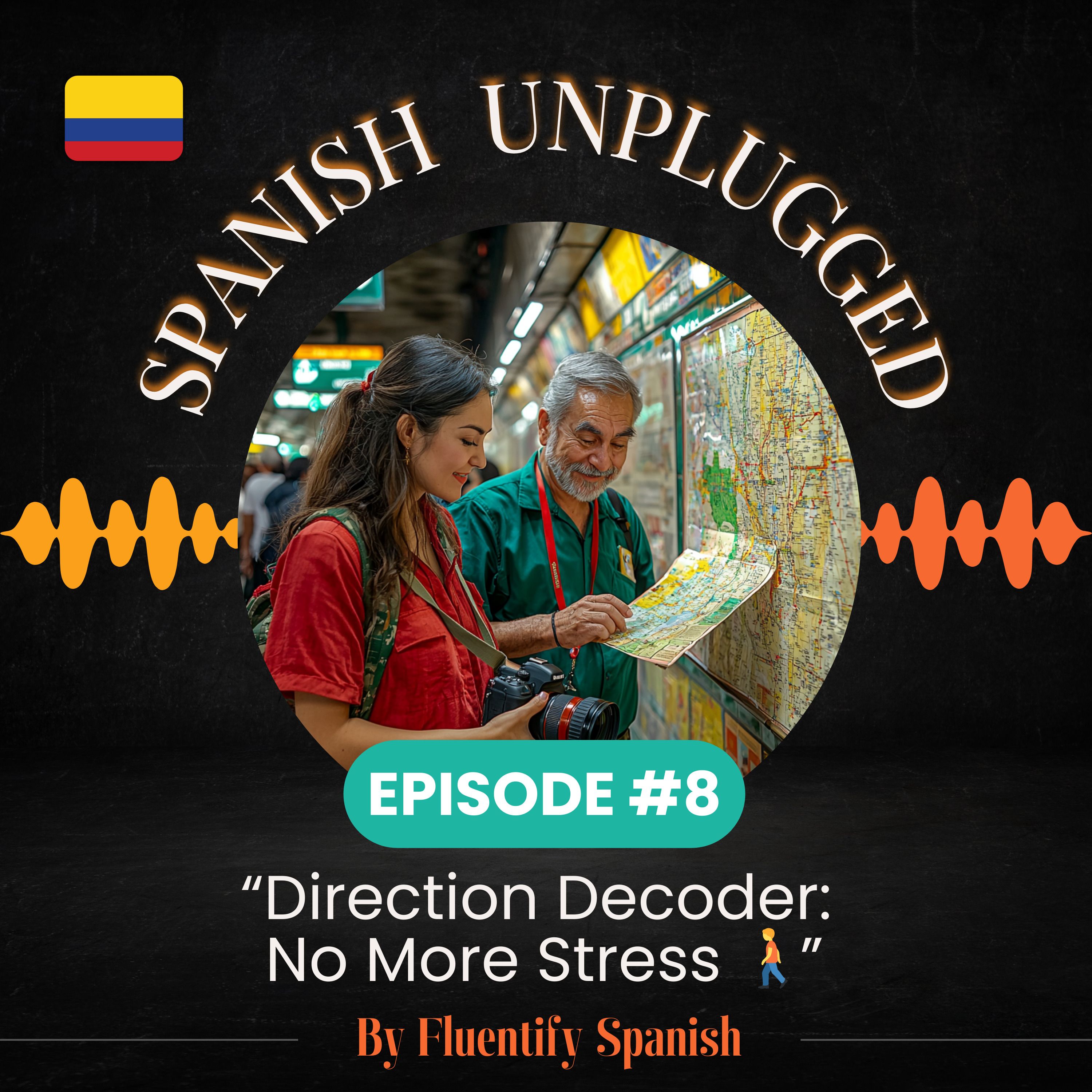
EP8: Direction Decoder: No More Stress 🚶
03:13
Scary Animals
04:28
6 claves de la salud pública para mejorar la salud del mundo
07:15
3 Fun Festivals from Around the World
02:25
URC - Ep. 2 (¿Cómo usar POR y PARA?)
04:38حلقات رائجة
Hablando Al Chile
🎧Pedos con el aire acondicionado🇲🇽
00:59English Learner's Boost
Must-Listen Before 2025: Your Guide to an Empowered New Year!
05:26Malayalam Fluency Lab | Study Plans, Mistakes and Practice
Interviewing Somebody — How to Ask Questions That Get Long Answers | Learn Malayalam #223
09:17Spanish Unplugged Podcast
EP8: Direction Decoder: No More Stress 🚶
03:13Just Chatting....
Scary Animals
04:28¡Hablemos de salud!
6 claves de la salud pública para mejorar la salud del mundo
07:15Learn English with Stories
3 Fun Festivals from Around the World
02:25Un ratito conmigo
URC - Ep. 2 (¿Cómo usar POR y PARA?)
04:38