ابحث بين معلمي الإنجليزية المتعددين...
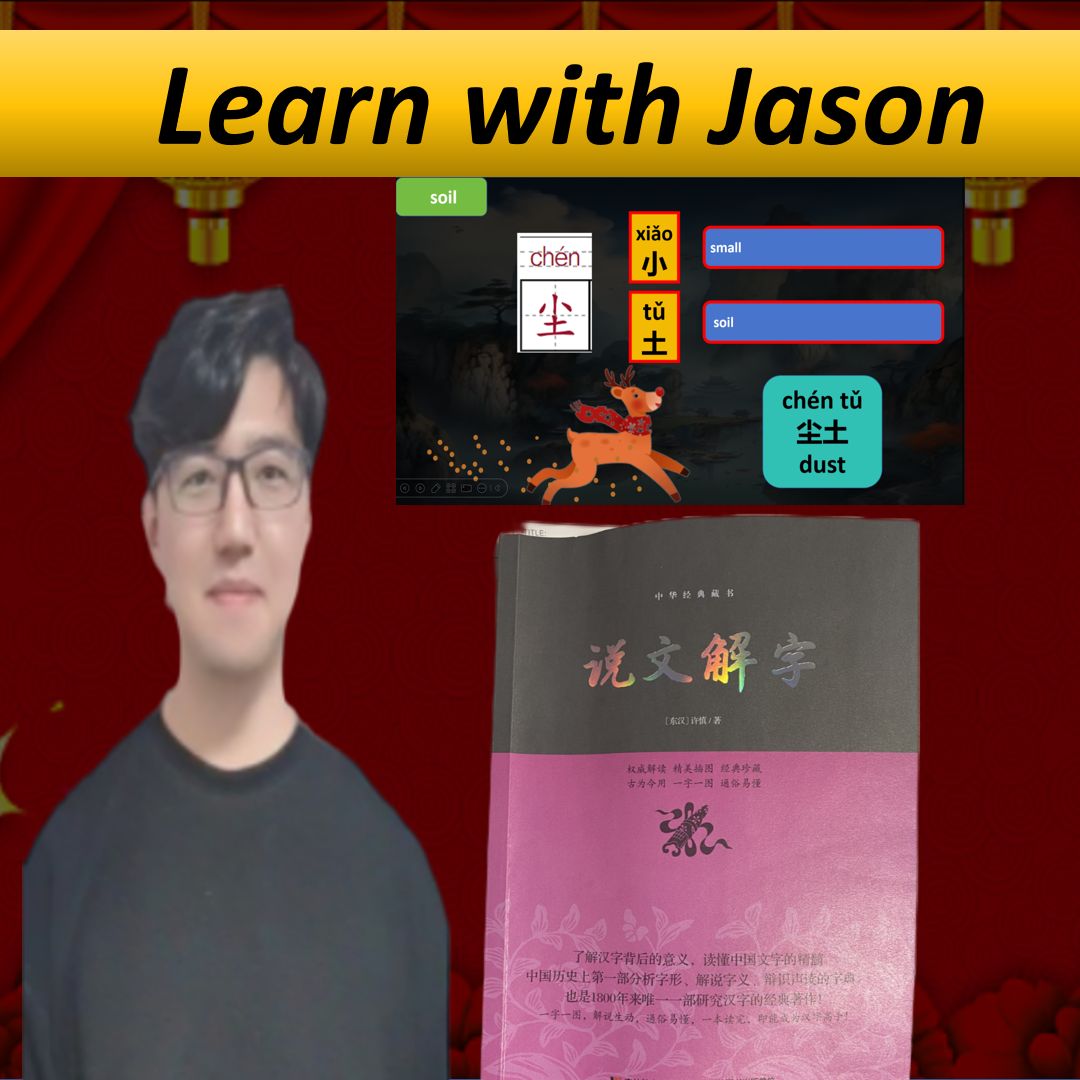
一草一木,藏着汉字的造字密码Grass and Tree: The Hidden Code of Chinese Character Creation
 04:57
04:57 04:57
04:57الوصف
In this episode of our Chinese character culture podcast, we explore the two core characters of plants: "mù" (tree/wood) and "cǎo" (grass). We start with the simple but powerful rule of ancient Chinese character creation: two of the same part means "some", three means "lots"! That explains the forest characters, the grass characters, and so much more! We uncover how the single character "tree" gave birth to a whole family of words: from "rest" (a person under a tree) to "origin" (the root of the tree) to "end" (the top of the tree), and even the "not yet" tree that explains taste, sister, hidden, and charm! Then we dive into the grass radical, and the character "mò" where the sun hides in the grass, which explains desert, sunset, curtain, admiration, recruitment, and tomb! Perfect for Chinese learners who want to understand the logic behind all those common plant-related characters!
木
mù
tree/wood
核心汉字,甲骨文为树的象形,是整个汉字家族的源头
林
lín
forest
两个木,代表一些树,就是树林
森
sēn
dense forest
三个木,代表很多树,就是森林
休
xiū
rest
人 + 木,人在树下休息,就是休息的意思
本
běn
origin
木的下方加一横,指树根,代表根本、本来
末
mò
end
木的上方加一横,指树梢,代表末端、末尾
未
wèi
not yet
还没长大的树,代表还没、未来
味
wèi
taste
未 + 口,还没尝过的味道
妹
mèi
younger sister
未 + 女,还没长大的女孩子,就是妹妹
昧
mèi
hide
未 + 日,太阳被挡住,代表隐藏、隐瞒
魅
mèi
charm
未 + 鬼,隐藏的鬼,代表有吸引力的魅力
艹
cǎo
grass
草字头,甲骨文为两棵小草的象形
卉
huì
flowers and plants
两个草,代表一些草,就是花草
茻
mǎng
lots of grass
四个草,代表很多很多草
莫
mò
no
两个草 + 日,太阳落到草里,代表没有、不要
漠
mò
desert
莫 + 水,没有水的地方,就是沙漠
暮
mù
sunset
莫 + 日,太阳落到草里,就是日暮、日落
幕
mù
curtain
莫 + 巾,布挡住东西,就是帷幕、幕布
慕
mù
admire
莫 + 心,想要没有的东西,就是羡慕
募
mù
recruit
莫 + 力,寻找没有的人,就是招募、募捐
墓
mù
tomb
莫 + 土,人没了埋在土里,就是墓地
قناة البث الصوتي
🥇🥇🥇Memorize Chinese characters in one minute一分钟秒记汉字
المؤلف
جميع الحلقات

How to Create a Powerful Presentation Introduction
12:09
🎧 Выпуск 69. Подкасту 1 год 🎉
05:37
Le vouvoiement et le tutoiement en français ("tu" ou "vous")
05:35
Путешествие в Таррагону. Часть 1
08:05
Have a Strong Reason Behind Your Goals
03:07
#14 熱中症に気をつけて! Take care in the heat!
00:27
US senate ditches dress code
08:07
Trump and Harris Face Off in Presidential Debate
02:22حلقات رائجة
Business English with Tannia
How to Create a Powerful Presentation Introduction
12:09Speak fluent Russian B1-B2
🎧 Выпуск 69. Подкасту 1 год 🎉
05:37Les coutumes françaises
Le vouvoiement et le tutoiement en français ("tu" ou "vous")
05:35Le russe pour tous. Ruso para todos
Путешествие в Таррагону. Часть 1
08:05The Everyday English Podcast
Have a Strong Reason Behind Your Goals
03:07Read Japan in Japanese
#14 熱中症に気をつけて! Take care in the heat!
00:27Let's check out the news
US senate ditches dress code
08:07Practice Listening, Reading & Comprehension
Trump and Harris Face Off in Presidential Debate
02:22
