Busca entre varios profesores de Inglés...

5 ways to say "thank you" in Chinese
 02:31
02:31 02:31
02:31Descripción
here are the five most commonly used ways to say "thank you" in Chinese, along with both the Chinese characters and pinyin for each example sentence, both when used alone and in sentences:
1. 谢谢 (xièxiè) - This is the most common and general way to say "thank you" in Chinese.
Used alone: 谢谢。 (xièxiè)
Used in a sentence: 谢谢你给我这么好的礼物。 (xièxiè nǐ gěi wǒ zhème hǎo de lǐwù) (Thank you for giving me such a nice gift.)
2. 多谢 (duōxiè) - This phrase means "thank you very much."
Used alone: 多谢。 (duōxiè)
Used in a sentence: 多谢你的帮助,我真的很感激。 (duōxiè nǐ de bāngzhù, wǒ zhēn de hěn gǎnjī) (Thank you very much for your help, I really appreciate it.)
3. 谢谢你 (xièxiè nǐ) - This phrase specifically thanks the person being addressed.
Used alone: 谢谢你。 (xièxiè nǐ)
Used in a sentence: 谢谢你为我做的一切。 (xièxiè nǐ wèi wǒ zuò de yīqiè) (Thank you for everything you have done for me.)
4. 谢谢你的帮助 (xièxiè nǐ de bāngzhù) - This phrase thanks someone for their help.
Used alone: 谢谢你的帮助。 (xièxiè nǐ de bāngzhù)
Used in a sentence: 谢谢你的帮助,我现在学会了。 (xièxiè nǐ de bāngzhù, wǒ xiànzài xuéhuì le) (Thank you for your help, now I can do it.)
5. 非常感谢 (fēicháng gǎnxiè) - This phrase means "thank you very much."
Used alone: 非常感谢。 (fēicháng gǎnxiè)
Used in a sentence: 非常感谢你给我的那份工作。 (fēicháng gǎnxiè nǐ gěi wǒ de nà fèn gōngzuò) (Thank you very much for the job you gave me.)
Canal de podcast
Five Ways to Say XXX in Chinese
Autor
Todos los episodios
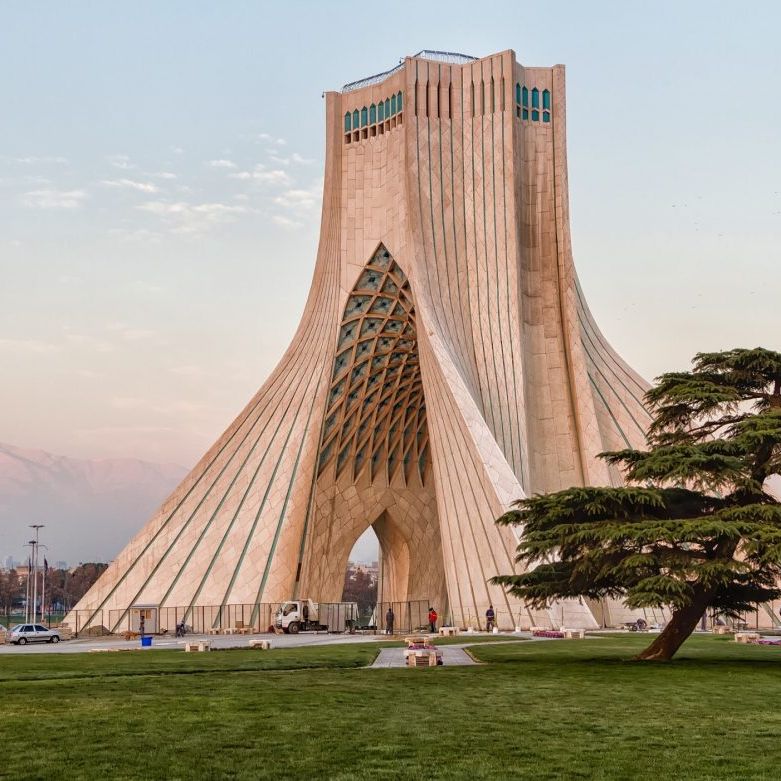
Azadi Tower in Tehran -- برج آزادی
01:24
EP1, Season2 Nike 35刀的创意,26亿的价值
10:31
NEWS: Parents of Crypto Company Founder Face Legal Trouble
06:35
colors in Farsi
04:23
Lesson 3 text 3
00:30
七月槐花飘
03:52
第5話 PTAの憂鬱(ゆううつ)
04:49
The Adventures of Odyssea: Ch 4.2 - Calypse
05:49Episodios populares
Farsi with Ali
Azadi Tower in Tehran -- برج آزادی
01:24Backstories-Stories behind every household brand
EP1, Season2 Nike 35刀的创意,26亿的价值
10:31Lisa's Podcast
NEWS: Parents of Crypto Company Founder Face Legal Trouble
06:35Sweet Farsi
colors in Farsi
04:23HSK Standard Course Level 1 Audio of the textbook
Lesson 3 text 3
00:30新鲜事儿(Anecdote)
七月槐花飘
03:52すずまりの日本語「ききみみ」ずきん
第5話 PTAの憂鬱(ゆううつ)
04:49Learn English with Stories
The Adventures of Odyssea: Ch 4.2 - Calypse
05:49