Recherche parmi différents professeurs en Anglais…

Cheers, Ta, Mate, Brilliant, Lovely, Sorted: Friendly British Slang | Real British English #064
 07:54
 07:54
Description
Slang means very informal words that people use in relaxed speech. Learners often avoid it completely and sound stiff, or they learn slang from films and use it in the wrong place, which can sound strange or even rude. Some learners also translate "thank you very much" into every tiny situation, when a British neighbour would just say "Cheers!" Today you learn clean, friendly British slang that you hear every day, what it means, who says it, and where it is safe to use.
In this episode:
• Thanks, goodbye and friends
• Good, nice and done
• Food, home and money
• Describing things
• SCENE: A NEIGHBOUR POPS ROUND (an invented household)
• Practice
• Self-check questions with answers
Key phrases from this episode:
cheers — thanks, or goodbye (casual); cheers (CHEE-uz, with no R sound)
Cheers for the lift! — Thanks for driving me.
Right, cheers, see you tomorrow! — Goodbye.
ta — thanks (casual); ta (TAH)
mate — friend, or a friendly way to speak to someone (casual)
brilliant — great, excellent (casual to neutral)
lovely — nice, kind, good; used all the time (neutral)
sorted — done, fixed, organised (casual)
proper — very or real (casual)
dead — very (casual, especially in the North)
cosy — warm and comfortable (neutral); cosy (KOH-zee)
a cuppa — a cup of tea (casual)
a brew — a cup of tea (casual, especially in the North)
brekkie — breakfast (casual); brekkie (BREK-ee)
a takeaway — hot food bought to eat at home
the loo — the toilet (casual, and fine with anyone)
telly — television (casual); telly (TEL-ee)
loads — a lot (casual)
ages — a long time (casual)
bits — small things (casual)
Real British English: the complete spoken course for learners worldwide — modern British accent, everyday grammar, phrasal verbs, idioms, slang, he/she/it for things, and real conversations at home. Listen, repeat out loud, then take the 52-question quiz.
Audio voiced with AI from an original script by Dr. Rashmi R Nair.
Chaîne de podcasts
Real British English | British Accent & Everyday Spoken English Course
Auteur
Tous les épisodes

Laura Chinese Language points for order food 4
00:24
HSK 3 Lesson 2 Passage 2
00:58
Expresión PONER NOMBRE
15:30
Season 1 : Episode 23 : “What’s the plan for today?” In Casual Japanese (1-minute episodes)
00:33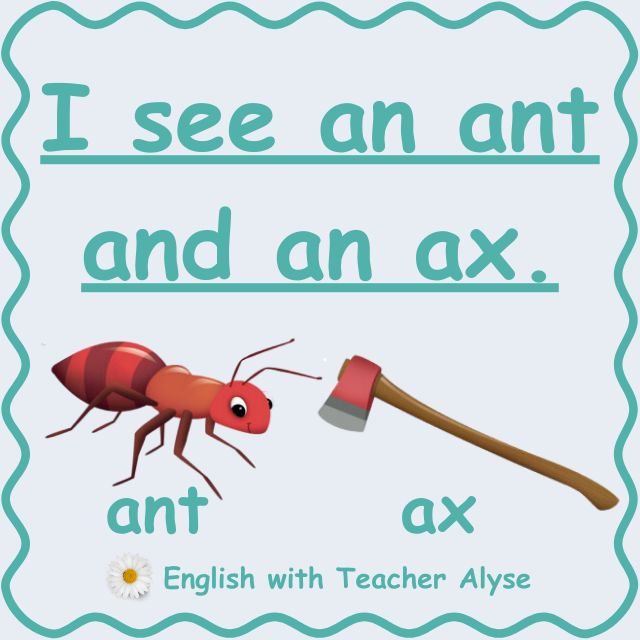
I see an ant and an axe.
00:50
Tip 18 - A little is better than none.
03:35
1.5 повседневная жизнь в сельской Америке
11:33
Namaste and Other Greetings: Palms Together, Handshakes and Following the Other Person | Understanding Indian English #103
20:48Épisodes populaires
Laura cheng Chinese
Laura Chinese Language points for order food 4
00:24HSK 3-6 Text Audios
HSK 3 Lesson 2 Passage 2
00:58EXPRESIONES en español
Expresión PONER NOMBRE
15:30Super Casual Japanese with Teppei
Season 1 : Episode 23 : “What’s the plan for today?” In Casual Japanese (1-minute episodes)
00:33Phonics Short Vowels
I see an ant and an axe.
00:50💃🏻111 Tips for Learning a Language
Tip 18 - A little is better than none.
03:35Molodets! Подкаст по изучению английского языка и американской культуре для носителей русского языка
1.5 повседневная жизнь в сельской Америке
11:33Understanding Indian English | Accent, Rhythm & Expressions
Namaste and Other Greetings: Palms Together, Handshakes and Following the Other Person | Understanding Indian English #103
20:48
