多彩な 英語 講師陣から検索…
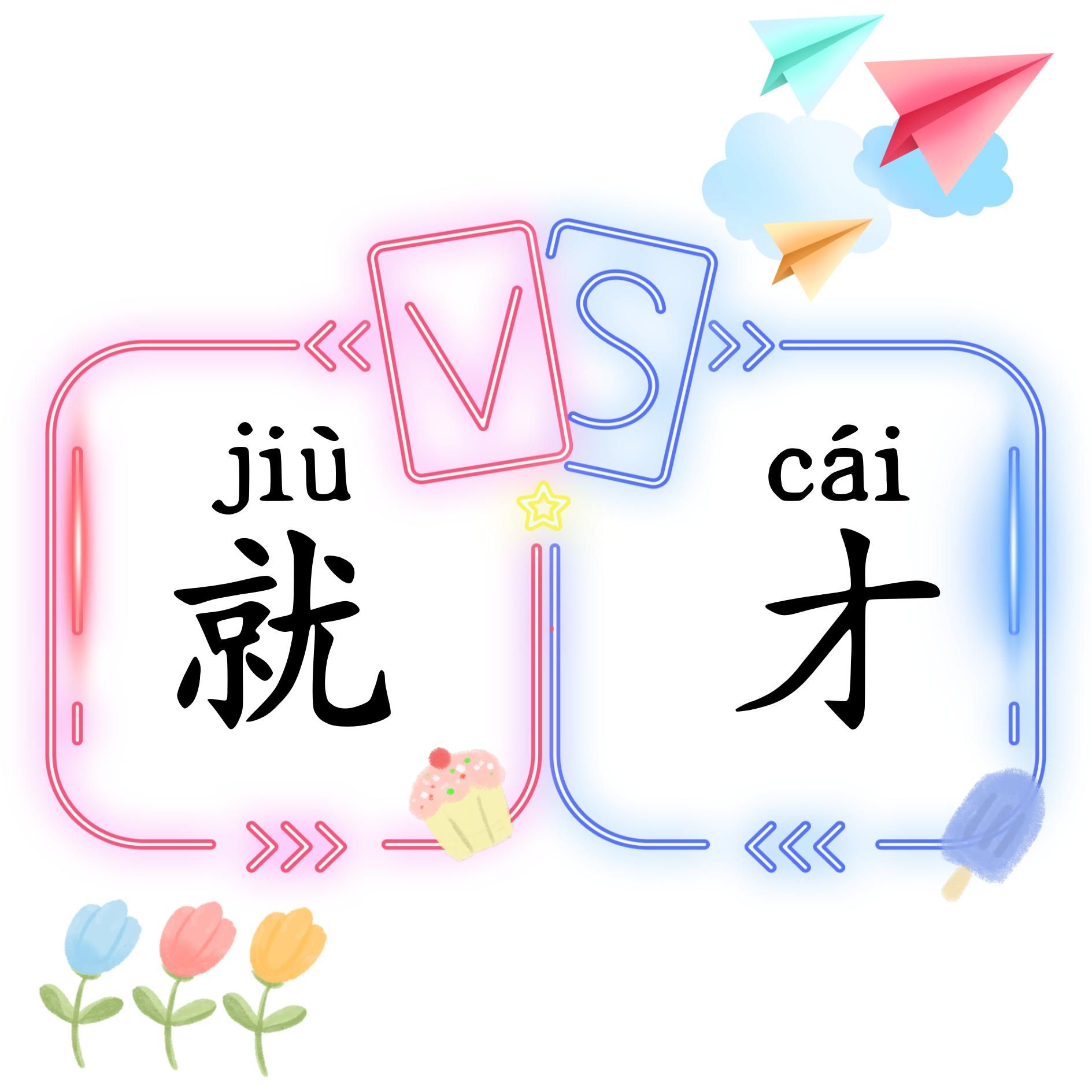
就jiù&才cái
 01:07
01:07 01:07
01:07説明
就(jiù):emphasizes that the speaker thinks that the event occurs too early, too fast or too smoothly;
才(cái):emphasizes that the speaker thinks that the event occurs too late, too slowly or too difficultly.
For example:
bā diǎn shànɡ kè ,
八 点 上 课 ,
dà wèi qī diǎn bàn jiù lái le ,
大 卫 七 点 半 就 来 了 ,
mǎ kè bā diǎn shí fēn cái lái 。
马 克 八 点 十 分 才 来 。
zuò huǒ chē shí ɡè xiǎo shí cái dào běi jīnɡ ,
坐 火 车 十 个 小 时 才 到 北 京 ,
zuò fēi jī yí ɡè bàn xiǎo shí jiù dào le 。
坐 飞 机 一 个 半 小 时 就 到 了 。
ポッドキャストチャンネル
JOJO CHINESE
製作者
人気のエピソード
Super Basic Spanish
Basic Spanish Podcast: Mi Habitación Favorita (My Favorite Room)
02:14Super Basic Spanish
Learn Spanish: Place Markers
07:14Super Basic Spanish
Learn How to Complain in Spanish (A2-B1)
20:47Super Basic Spanish
Easy Spanish Grammar: El Pretérito Indefinido (The Simple Past)
07:53Super Basic Spanish
Learn Spanish: Las estaciones del año (The Seasons of the Year)
18:31