多彩な 英語 講師陣から検索…

How to Pronounce the ng Consonant in English
 04:27
04:27 04:27
04:27説明
This description will really help you with this difficult sound!
How to Pronounce the "ng" in an "ing" word in English
Pronouncing the "ng" sound in "ing" words can be a bit tricky for learners of English, but with practice, it can become second nature. The "ng" sound is a nasal consonant, represented by the phonetic symbol /ŋ/. It is produced by the back of the tongue making contact with the soft part of the roof of the mouth (the velum), while the sound resonates in the nasal cavity.
Here are some tips to help you pronounce the "ng" sound correctly in "ing" words:
1. **Positioning the Tongue**: Start by positioning the back of your tongue against the soft part of your upper mouth, as if you are about to say the sound "k." However, instead of releasing the "k" sound, let the air pass through your nose.
2. **Relax the Tongue**: Keep the tongue relaxed to allow for a smooth nasal sound. Tensing the tongue can make the sound come out more like a "g."
3. **Nasal Resonance**: Focus on directing the airflow through your nose. You should feel a slight vibration in your nasal passages.
4. **Avoid a Hard "g" Sound**: Be careful not to add a hard "g" sound at the end. The "ng" sound is a single, continuous sound rather than a combination of "n" and "g."
Here are ten examples for practice:
1. **Sing**: /sɪŋ/
- "She loves to sing in the choir."
2. **Ring**: /rɪŋ/
- "The phone began to ring loudly."
3. **Long**: /lɒŋ/
- "It's going to be a long day."
4. **King**: /kɪŋ/
- "The king ruled the land wisely."
5. **Bring**: /brɪŋ/
- "Please bring your book to class."
6. **Thing**: /θɪŋ/
- "What's that strange thing over there?"
7. **Going**: /ˈɡoʊɪŋ/
- "Are you going to the party?"
8. **Swimming**: /ˈswɪmɪŋ/
- "Swimming is my favorite sport."
9. **Running**: /ˈrʌnɪŋ/
- "He has been running every morning."
10. **Morning**: /ˈmɔrnɪŋ/
- "I enjoy a cup of coffee in the morning."
ポッドキャストチャンネル
English for IT Pros
製作者
全エピソード

Spanish Words with No Direct English Translation
02:21
¿Cómo se dice "es obvio" en ruso?
03:38
Participo passato irregolare
04:34
Anxiety when Negotiating - Episode 58
03:10
Stress and how use it as a verb, adjective and noun, and also how to reduce your stress.
25:35
Tankar På Svenska : Resa till vietnam och helvetes magsjuka
15:05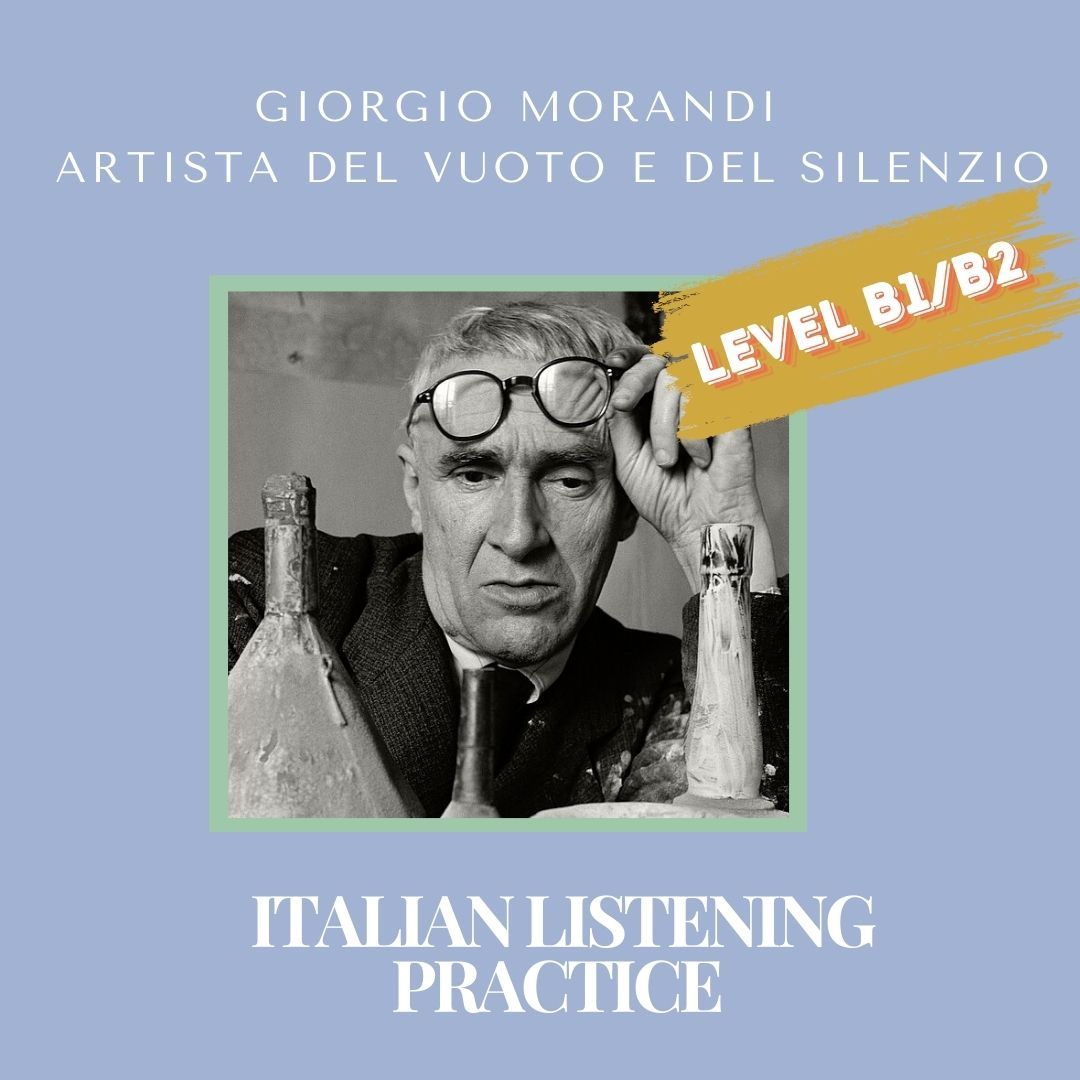
Artisti italiani da scoprire: Giorgio Morandi, artista del silenzio
06:25
Russian simple verbs for practice
05:20人気のエピソード
Colombia
Spanish Words with No Direct English Translation
02:21¿Cómo se dice en ruso?
¿Cómo se dice "es obvio" en ruso?
03:38Italiano espresso
Participo passato irregolare
04:34The Global Professional Podcast
Anxiety when Negotiating - Episode 58
03:10The Andrew English EXPERIENCE:)!
Stress and how use it as a verb, adjective and noun, and also how to reduce your stress.
25:35Tankar på svenska
Tankar På Svenska : Resa till vietnam och helvetes magsjuka
15:05Italiano espresso
Artisti italiani da scoprire: Giorgio Morandi, artista del silenzio
06:25Russian for daily life with Lena 📖💫
Russian simple verbs for practice
05:20
