Hello everyone, it’s your Korean language teacher, Jean!
Spring is finally here — and the world is turning green again.
Basil, thyme, rosemary, coriander… Western herbs have already won hearts in kitchens all around the world. But Asian herbs — and especially Korean herbs — are still one of the world’s best-kept culinary secrets.
Here’s something most people don’t know: about 70% of Korea’s land is covered in mountains. And those mountains have been nurturing wild herbs for thousands of years. Every spring, Koreans rush to the market to bring home armfuls of freshly harvested spring greens and set the table with them. It’s a seasonal ritual — a way of breathing new life into a body that’s endured a long, cold winter.
The wild greens that grow across Korea’s mountains and fields are so distinctive in aroma and flavor that they deserve to be called K-Herbs. Out of so many, here are 10 hand-picked favorites to introduce to you!
1. 머위 — Meoowi / Butterbur
Think of it as Korea’s wild rhubarb. Its signature bitter taste might surprise you at first — but that’s exactly what makes it special. The bitterness is known to stimulate appetite and support respiratory health. The stems are blanched and tossed in doenjang (fermented soybean paste), while the large leaves are used as wraps. It’s an acquired taste, but once it clicks, you’ll keep coming back for more.
2. 취나물 — Chwinamul / Aster Scaber
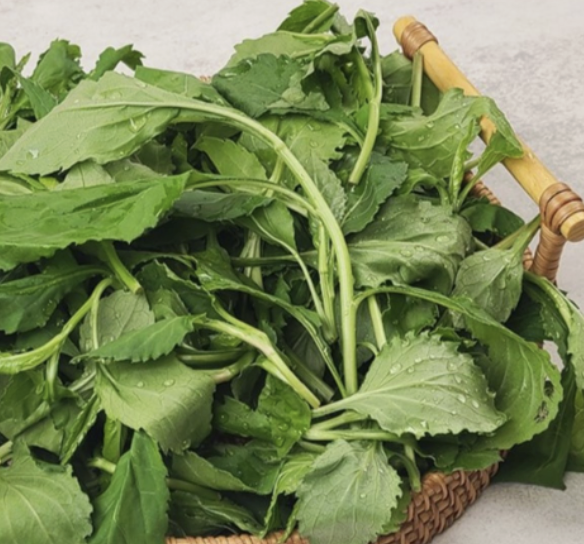
One of the most beloved mountain greens in Korea, carrying what Koreans describe as “the scent of Korean mountains.” In spring, it’s eaten fresh and lightly seasoned. But it can also be dried and stored, making it a pantry staple enjoyed all year long. Rich in potassium, it’s great for flushing out toxins. That deep, wild aroma? It’s like breathing in a forest.
3. 달래 — Dallae / Wild Garlic
Imagine a wild scallion with a tiny onion-like bulb — and a flavor that’s garlic and green onion at the same time, with a sharp, spicy finish. Far more dynamic than Western chives. Toss it into a soy-based bibimbap sauce or drop it into doenjang jjigae (fermented soybean stew) and you’ll get an instant hit of spring. For Koreans, the smell of dallae is basically the smell of spring arriving.
4. 깻잎순 — Kkaennip-sun / Perilla Sprouts
The young, tender shoots of perilla — a herb so uniquely Korean that it’s said barely anyone else in the world eats it quite like Koreans do. Often called “Korea’s basil,” it’s bold, nutty, and pairs beautifully with grilled meat. The sprouts are softer and more delicate than mature perilla leaves, making them a perfect introduction for anyone new to this flavor. Bonus: packed with vitamins A and C.
5. 부추 — Buchu / Korean Chives
Similar to Western chives, but with a much stronger bite and satisfying crunch. In Korea, buchu is famously known as “the vegetable that boosts your energy,” and it’s a non-negotiable ingredient in kimchi and buchujeon (chive pancakes). Its spicy-sweet flavor also makes it a great fresh side salad for BBQ. It costs almost nothing at the market — but the flavor it brings to a dish? Priceless.
6. 돌나물 — Dolnamul / Stonecrop
A wild succulent that grows between rocks and stone walls — hence the name “stone vegetable.” Its tiny, jade-green leaves are incredibly juicy and crisp, like biting into a fresh salad. Usually eaten raw with a tangy gochujang (chili paste) and vinegar dressing. Here’s the fun fact: dolnamul actually contains more calcium than milk. Great for your bones, great for your taste buds.
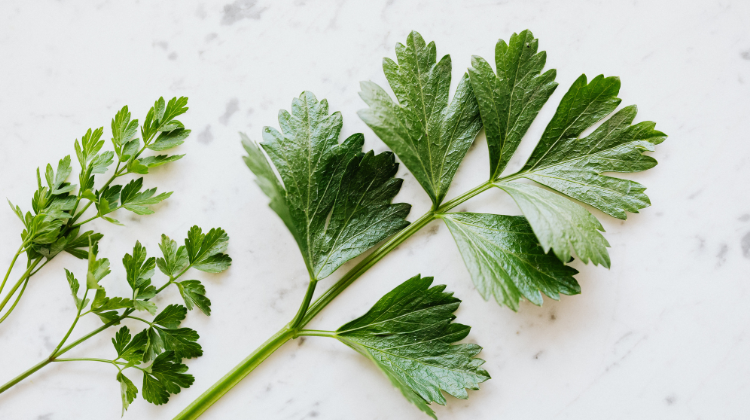
7. 참나물 — Chamnamul / Korean Parsley
Cham means “true” or “genuine” in Korean — and this herb lives up to its name with a clean, refined fragrance. Think celery meets parsley, but softer in texture and more elegant in flavor. Lightly seasoned as a fresh salad, it’s approachable enough for Western palates too. It’s also a popular wrap green alongside Korean raw fish dishes, where it beautifully cuts through the richness.
8. 방풍나물 — Bangpung / Coastal Hog Fennel
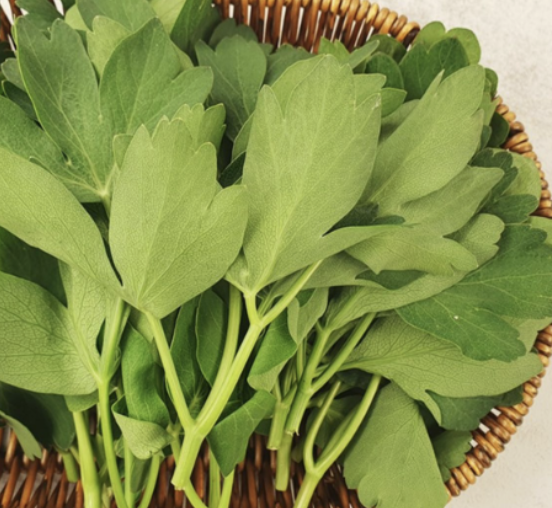
Its name literally means “the herb that blocks the wind (stroke).” It grows on coastal cliffs and windy hillsides, which gives it a resilience and depth of flavor that builds with every bite. The bittersweet, aromatic taste makes it incredible as a jangajji (soy-pickled side dish) — a total meat thief at the dinner table. Lightly blanched and dressed in sesame oil, it becomes something quietly luxurious.
9. 냉이 — Naengi / Shepherd’s Purse
The queen of Korean spring greens. What makes it special? It’s eaten whole — root and all. That combination of earthy, soil-like aroma and subtle sweetness adds incredible depth to soups and stews. It’s also surprisingly high in protein for a vegetable, earning it the nickname “meat from the field.” Fun fact: shepherd’s purse grows all over the world — but Korea is one of the very few cultures to have made it a true culinary star.
10. 쑥 — Ssuk / Mugwort
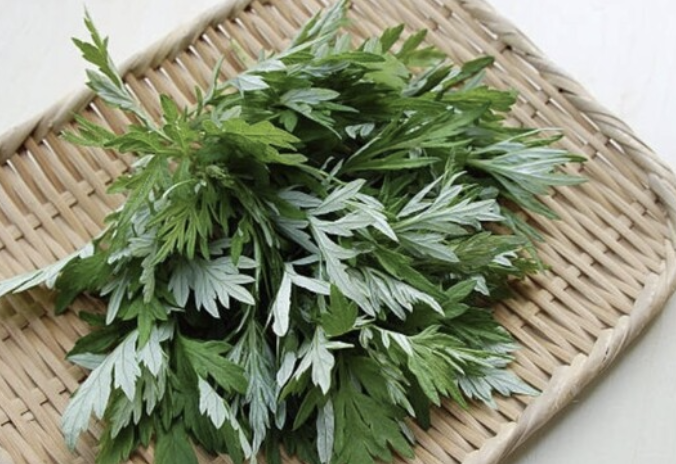
Ssuk is more than just an herb. It actually appears in Korea’s founding myth — the story of Dangun — making it one of the most culturally significant plants in Korean history. In the West, mugwort is mostly known as a medicinal herb or essential oil. But in Korea, it’s stirred into soups and pounded into rice cakes as an everyday ingredient. With its deep green color and intensely bitter, herbal aroma, ssuk is Korea’s symbolic herb — think of it as Korea’s answer to matcha. It’s warming, calming, and deeply rooted in Korean culture.
Spring namul is a natural superfood, replenishing the vitamins and minerals your body lost through the long winter months. But for Koreans, it means so much more than that. It’s the taste that announces spring has arrived — a signal to the senses that a new season has begun.
If you’re a herb lover, why not give Korean spring greens a try this season? Or better yet — come visit Korea in spring and discover these K-Herbs for yourself. Trust me, Korea in spring is way more delicious than you’d expect!