Zoek tussen verschillende Engels docenten...
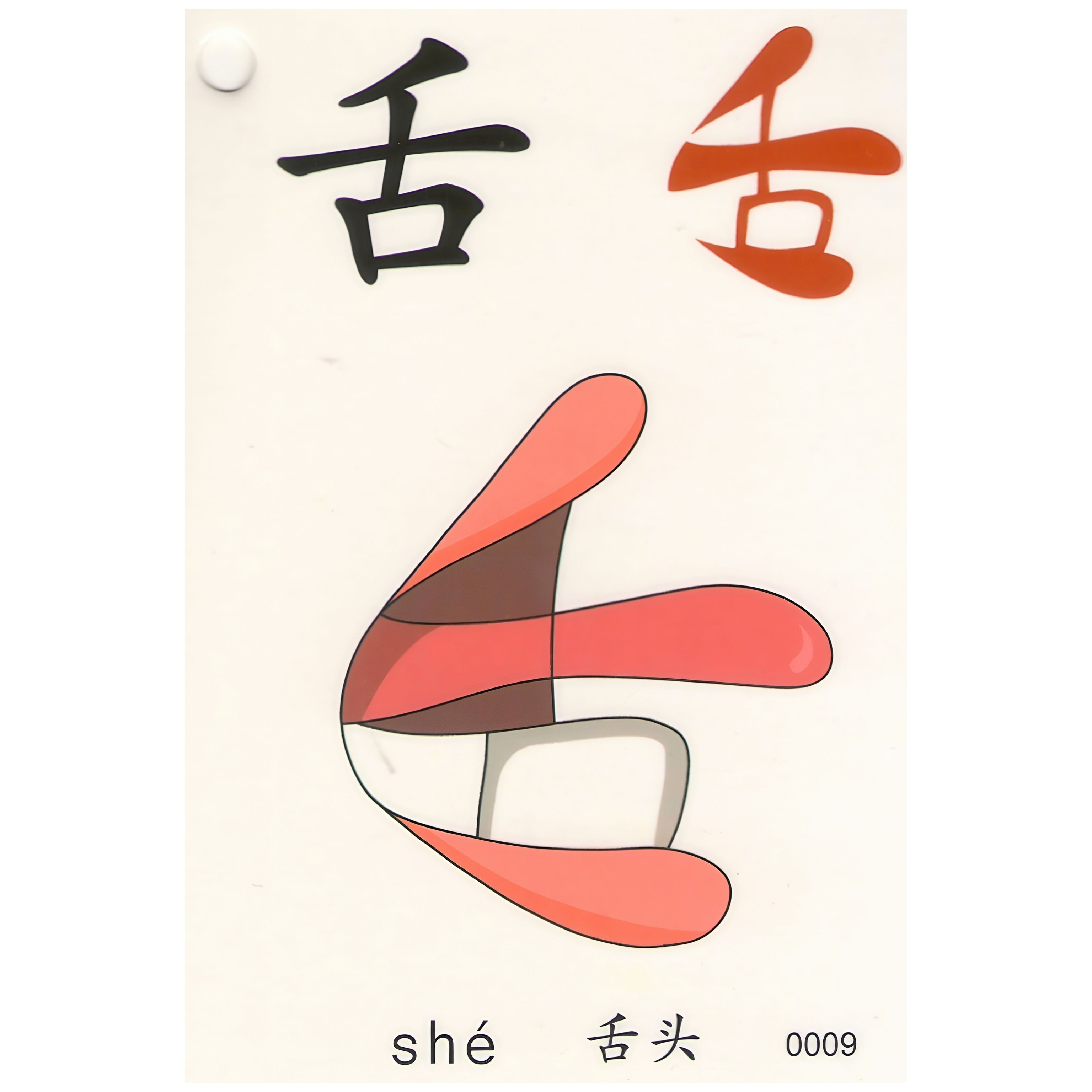
舌
 03:47
03:47 03:47
03:47Omschrijving
The character "舌" is composed of the radical "舌" (tongue) itself. It is a pictographic character, resembling a tongue extending from a mouth.
Meaning (字义)
The character "舌" primarily means "tongue." It can also extend to meanings related to speech and taste.
Usage (用法)
"舌" is commonly used in words and phrases related to the tongue, speech, or taste.
Example Words (例词)
1.舌头 (shé tou) - tongue
他咬了自己的舌头。 (Tā yǎo le zìjǐ de shé tou.)
He bit his tongue.
2.口舌 (kǒu shé) - quarrel, dispute (literally "mouth and tongue")
他们之间有很多口舌。 (Tāmen zhījiān yǒu hěnduō kǒu shé.)
There are many quarrels between them.
3.舌尖 (shé jiān) - tip of the tongue
舌尖尝味道。 (Shé jiān cháng wèidào.)
The tip of the tongue tastes flavors.
Example Sentences (例句)
他用舌头舔冰淇淋。 (Tā yòng shé tou tiǎn bīngqílín.)
He licks the ice cream with his tongue.
她的舌头很灵活。 (Tā de shé tou hěn línghuó.)
Her tongue is very flexible.
用舌头说话。 (Yòng shé tou shuō huà.)
Speak with the tongue.
Summary
The character "舌" is related to the tongue and its functions, including tasting and speaking. Its usage is straightforward and can be found in common expressions and daily language.
Four-Character Idiom (四字成语)
成语: 舌战群儒 (shé zhàn qún rú)
Meaning (意义)
"舌战群儒" literally means "to battle a group of Confucian scholars with one's tongue." It refers to using eloquent speech to argue and defeat a group of scholars or debaters.
Usage (用法)
This idiom is used to describe a situation where someone wins an argument or debate against multiple opponents through the power of speech.
Example Sentence (例句)
在辩论会上,他舌战群儒,赢得了观众的掌声。 (Zài biànlùn huì shàng, tā shé zhàn qún rú, yíngdé le guānzhòng de zhǎngshēng.)
At the debate competition, he eloquently argued against a group of scholars and won the audience's applause.
Podcast Kanaal
每日一字
Auteur
Alle afleveringen
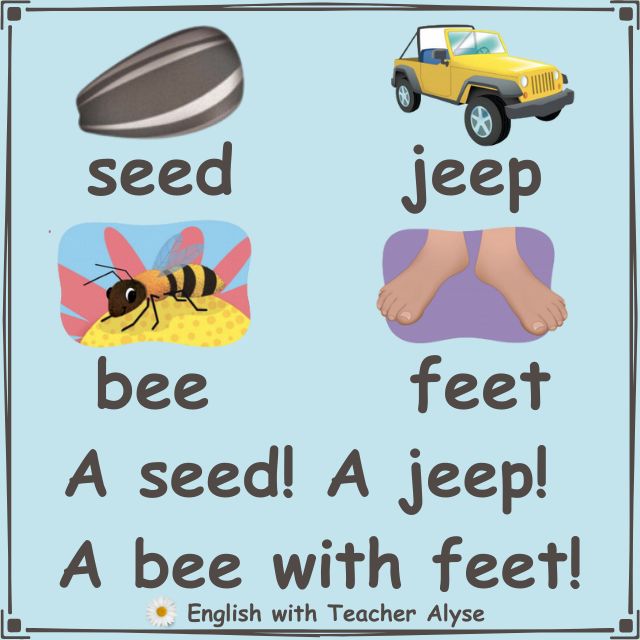
A seed! A jeep! A bee with feet!
02:14
Mitos y leyendas colombianos parte 2
05:01
No necesitas hablar rápido para hablar bien
05:24
EP13_ Zhi Ye_Gong Zuo (Free Chinese Lesson)
05:38
CARAL MILENARIO
02:57
Job Interview Questions
03:10
Number of Tigers in India Doubled in 12 Years
01:49
How a Paperclip Can Change Your Life: The Hidden Power of Everyday Objects
01:45Populaire afleveringen
Phonics Long Vowels and Consonant Blends
A seed! A jeep! A bee with feet!
02:14Colombia
Mitos y leyendas colombianos parte 2
05:01Español No Excuses: Level-Up Your Mind, Speak Out Loud
No necesitas hablar rápido para hablar bien
05:24Who says Chinese is hard? 谁说中文很难
EP13_ Zhi Ye_Gong Zuo (Free Chinese Lesson)
05:38El podcast de tu vieja.
CARAL MILENARIO
02:57Naicker Studios
Job Interview Questions
03:10Practice Listening, Reading & Comprehension
Number of Tigers in India Doubled in 12 Years
01:49LEARN BY LISTENING
How a Paperclip Can Change Your Life: The Hidden Power of Everyday Objects
01:45