Szukaj różnych nauczycieli angielski...

Top Ten English Words with French Origins
 05:02
05:02 05:02
05:02Opis
In this podcast, we talk about the following ten words:
Souvenir: Derived from the French word "souvenir," meaning "to remember," this word entered English in the late 18th century. It refers to an object or memento that serves as a reminder of a person, place, or event.
Rendezvous: Originating from the French phrase "rendez-vous," which means "meeting" or "appointment," this word entered English in the 16th century.
Cuisine: Borrowed directly from French, "cuisine" refers to a style or method of cooking, often associated with a particular culture or region. It encompasses the preparation and presentation of food.
Fiancé/Fiancée: These terms come from the French words "fiancé" (masculine) and "fiancée" (feminine), both meaning "engaged." They are used to describe a person who is engaged to be married.
Déjà vu: This widely recognized phrase comes from French, where it literally means "already seen." It refers to the feeling or sensation that one has experienced the present situation before, even though it is new.
Encore: Borrowed from French, "encore" means "again" or "once more." It is often used in the context of a performance to request an additional or repeated act from the performer.
Lingerie: Derived from the French word "lingerie," this term refers to women's underwear and intimate apparel. It encompasses a range of garments, including bras, panties, nightgowns, and robes.
Décor: Also borrowed from French, "décor" denotes the overall style, arrangement, and aesthetics of a space or setting. It refers to the decorative elements used to enhance the ambiance or atmosphere.
Croissant: This word, of French origin, describes a flaky and crescent-shaped pastry. It has become popular worldwide and is often enjoyed as a breakfast or snack item.
Ballet: Originating from French, "ballet" refers to a highly expressive and intricate form of dance. It combines precise movements, graceful gestures, and storytelling to create a visual spectacle.
Kanał podcastu
English on the Road
Autor
Wszystkie odcinki
British Vowel Sound Masterclass: Lesson 2 - A Sound Practice
05:21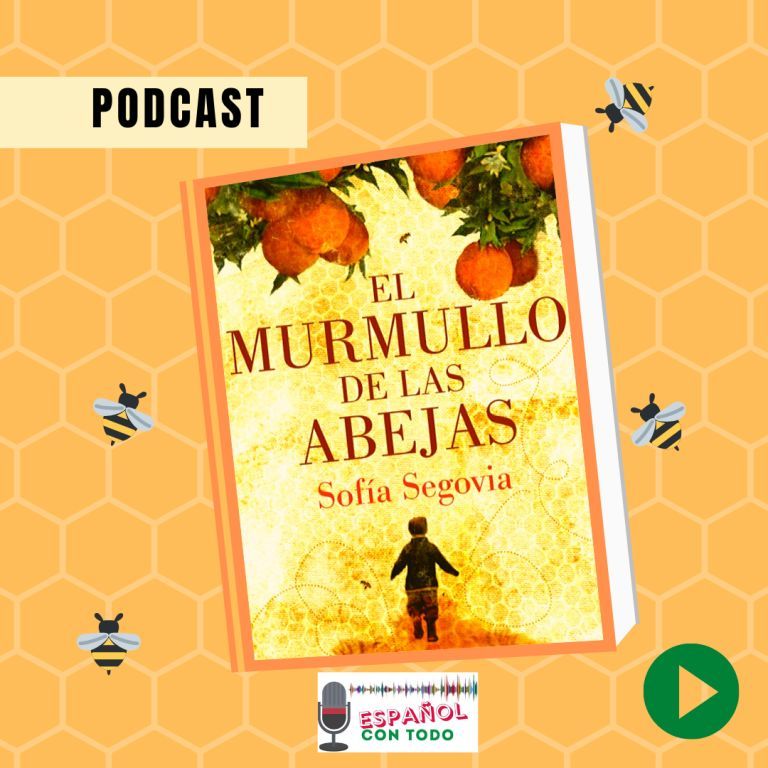
EL MURMULLO DE LAS ABEJAS
10:22
SWE #6 How to talk to the police when you get a speeding ticket!
09:43
#5 - Fahrradstress und Sommer
11:16
How to use the dialect「ジャンボ」in Aomori prefecture
02:46
Episodio 5. Spanish dubbing and its impact on language learning. Level B1/B2
06:24
ぼくの ふるさと はちおうじ About mmy hometown
05:18
久しぶりに浴衣を着ました(I wore summer Kimono for the first time in years)
01:33Popularne odcinki
British Pronunciation Tips
British Vowel Sound Masterclass: Lesson 2 - A Sound Practice
05:21Español con todo
EL MURMULLO DE LAS ABEJAS
10:22Streetwise English
SWE #6 How to talk to the police when you get a speeding ticket!
09:43(B1-C1) Immer wieder Deutsch
#5 - Fahrradstress und Sommer
11:16Nihongo tokidoki Inaka hougen with Megumi Na
How to use the dialect「ジャンボ」in Aomori prefecture
02:46Quetzal: Explorando la Cultura Mexicana
Episodio 5. Spanish dubbing and its impact on language learning. Level B1/B2
06:24Super Casual Japanese with Teppei
ぼくの ふるさと はちおうじ About mmy hometown
05:18Nihongo Short Story by Noriko
久しぶりに浴衣を着ました(I wore summer Kimono for the first time in years)
01:33
