Szukaj różnych nauczycieli angielski...

Persian Made Easy, Episode 2
 01:52
01:52 01:52
01:52Opis
Hi everyone, I am Sara and this is Persian made EZ, episode 2.
One way to say “how are you?” in Persian is to use, “chetor i?” and, “chetor in?”.
We use “chetor i”, with the “i” ending, when we’re talking to one person in an informal setting, for example when talking to a friend or family.
And we use “chetor in”, with the “in” ending, either when we’re talking to one person in a formal setting, or to more than one person in both formal and informal situations.
It's also very common in person to ask, “khub i?” and, “khub in?” when we're greeting each other.
“Khub” means “good”, “well”, or “fine”, so “khub i?” and “khub in?” literally mean, “are you fine?” or, “are you doing well?”
You can also put “khub i?” and “khub in?” together with “chetor i?” and “chetor in?”, and greet each other like this:
Salām! Chetor i? Khub i? (Informal, Singular)
Or
Salām! Chetor in? Khub in? (Formal / Plural)
We can answer “chetor i?” and “khub i?” with, “khub am, merci!” and, “khub am, kheili mamnun!”, or, “bad nistam, merci!” and, “bad nistam, kheili mamnun!”.
And then we can ask, “to chetor i?” and, “to khub i?” or, “shomā chetor in?” and, “shomā khub in?”.
Now let’s practice!
Dialogue 1
Salām! Chetor i?
Salām! Khub am, merci! To chetor i?
Khub am, kheili mamnun!
Dialogue 2
Salām! Chetor i? Khub i?
Salām! Bad nistam, kheili mamnun! To khub i?
Khub am, merci!
Persian Script
سَلام: hello, hi
چِطوری / چِطورین: how are you
خوبی / خوبین: are you fine, are you doing well
خوبَم: I'm fine
بَد نیستَم: I'm not bad
مِرسی: thanks
خِیلی مَمنون: thank you so much
Latin Script
Salām: hello, hi
Chetor i? / Chetor in?: how are you?
Khub i? / Khub in?: are you fine?, are you doing well?
Khub am: I’m fine
Bad nistam: (I’m) not bad
Merci: thanks
Kheil mamnun: thank you so much
Kanał podcastu
Persian Made Easy
Autor
Wszystkie odcinki
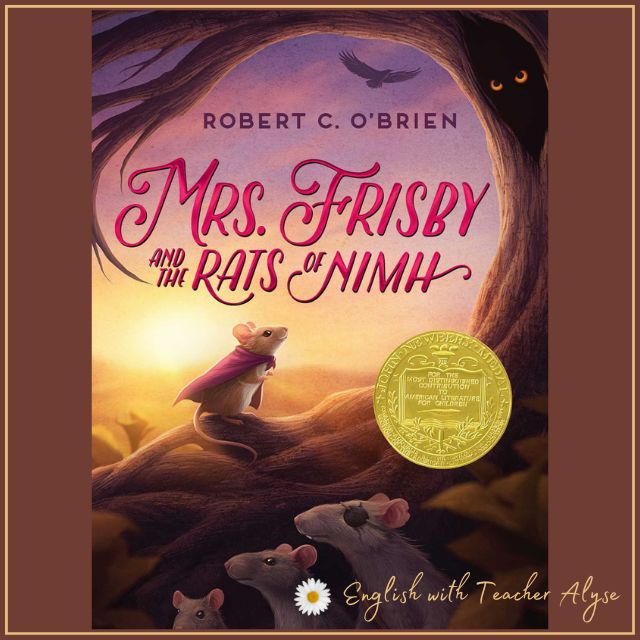
Chapter 7 The Owl
13:15
Daily Expressions:Beyond "Hěn": 不得了
00:42
The Genesis
01:56
6 of my top tips for the IELTS speaking exam
07:15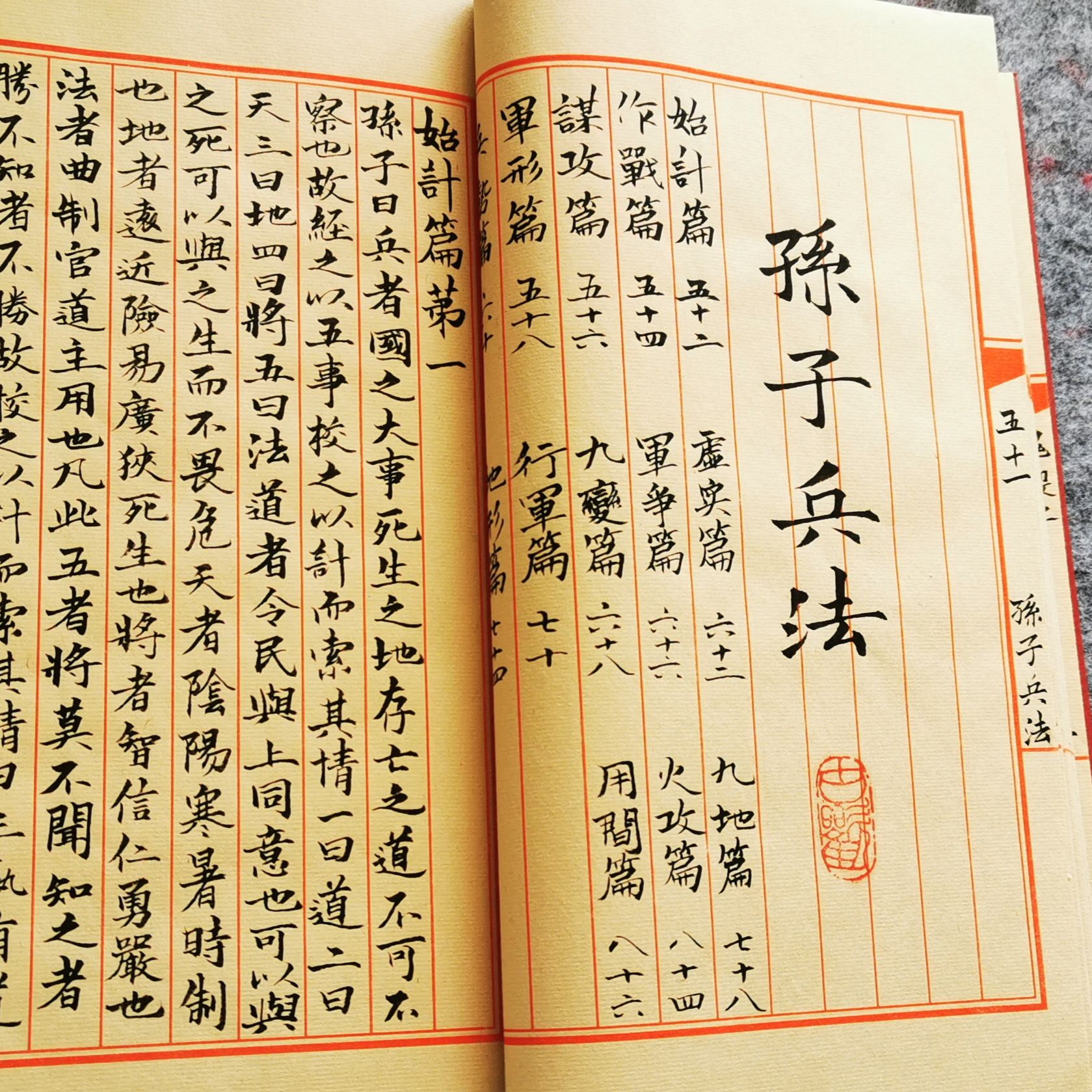
《孙子兵法》18
01:13
Vol.37 Con Luca 第 37 卷 和Luca ルカさんと
08:46
News article: Women stopped from returning home after cosmetic surgery
01:52
LA NARIZ.
00:19Popularne odcinki
Mrs. Frisby and the Rats of NIMH
Chapter 7 The Owl
13:15Chloe Chinese Gym
Daily Expressions:Beyond "Hěn": 不得了
00:42English???
The Genesis
01:56IELTS 85 Speaking
6 of my top tips for the IELTS speaking exam
07:15《孙子兵法Sūnzǐ Bīngfǎ》The Art of War
《孙子兵法》18
01:13SAMURAI BROADCAST 侍放送 継続は力ニャり
Vol.37 Con Luca 第 37 卷 和Luca ルカさんと
08:46Listen to English with Pip
News article: Women stopped from returning home after cosmetic surgery
01:52CHISTES MEXICANOS
LA NARIZ.
00:19