搜尋自 英語 {1} 教師……
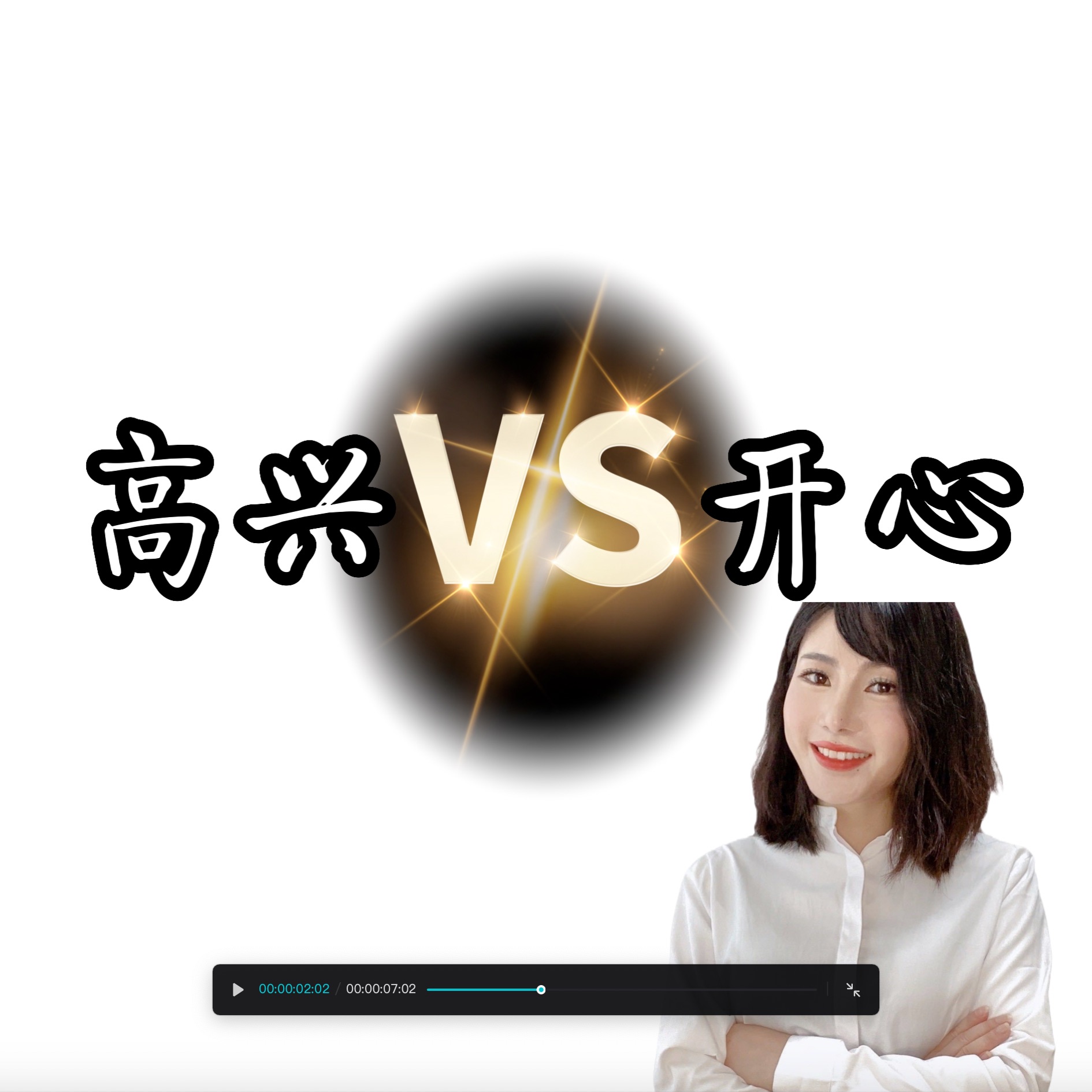
会 (huì) VS 可以 (kěyǐ) VS 能 (néng)
 01:36
01:36 01:36
01:36說明
会 (huì) means "to be able to" or "to know how to." It is used to describe a specific skill or ability that someone has. For example:
我会说中文。 (Wǒ huì shuō Zhōngwén.) - I can speak Chinese.
可以 (kěyǐ) means "to be allowed to" or "to have permission to." It is used to describe whether someone is allowed or permitted to do something. For example:
你可以坐这里。 (Nǐ kěyǐ zuò zhèlǐ.) - You are allowed to sit here.
能 (néng) means "to be able to" or "to have the ability to." It is used to describe a general ability or capability that someone has. For example:
我能做这件事。 (Wǒ néng zuò zhè jiàn shì.) - I am able to do this.
In general, 会 is used to describe a specific skill or ability that someone has, while 可以 is used to describe whether someone is allowed or permitted to do something, and 能 is used to describe a general ability or capability that someone has.
Podcast 頻道
Difference between A and B in Chinese with Shanmei
創作者
Podcast全集

#77【N5-N3】Slowly JAPANESE listening | LOVE Phrases
25:16
#76【N5-N4】Slowly JAPANESE listening |Crush on you!
20:39
#75【N5-N4】Slowly JAPANESE listening |Why Japanese People Don’t Say Their True Feelings
18:43
#74【N5-N4】SIMPLE JAPANESE listening | About International Love
15:26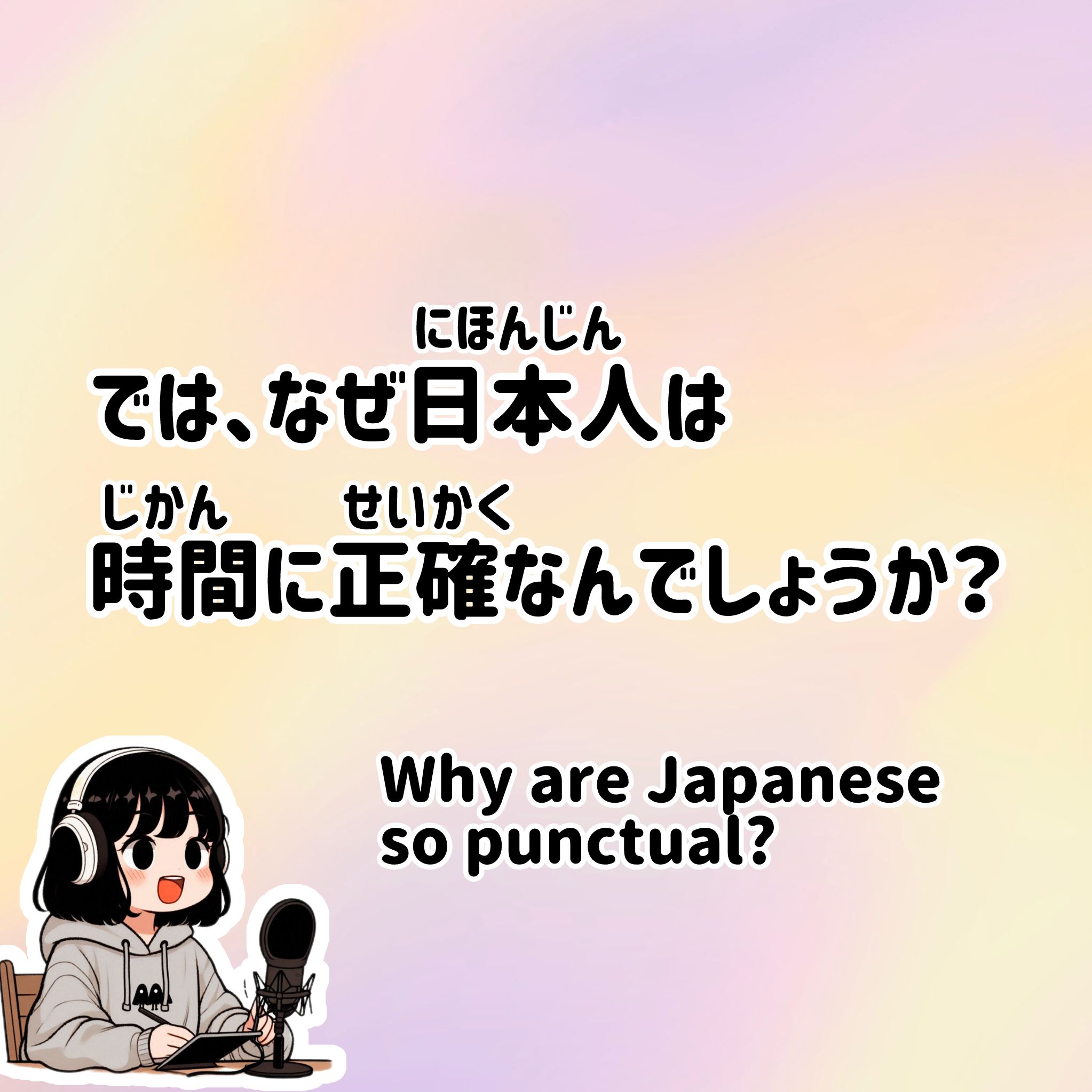
#73【N5-N4】SIMPLE JAPANESE listening | Why are Japanese so punctual?
18:47熱門集數
NANAのにほんごpodcast
#77【N5-N3】Slowly JAPANESE listening | LOVE Phrases
25:16NANAのにほんごpodcast
#76【N5-N4】Slowly JAPANESE listening |Crush on you!
20:39NANAのにほんごpodcast
#75【N5-N4】Slowly JAPANESE listening |Why Japanese People Don’t Say Their True Feelings
18:43NANAのにほんごpodcast
#74【N5-N4】SIMPLE JAPANESE listening | About International Love
15:26NANAのにほんごpodcast
#73【N5-N4】SIMPLE JAPANESE listening | Why are Japanese so punctual?
18:47