尋找適合你的 英語 教師……
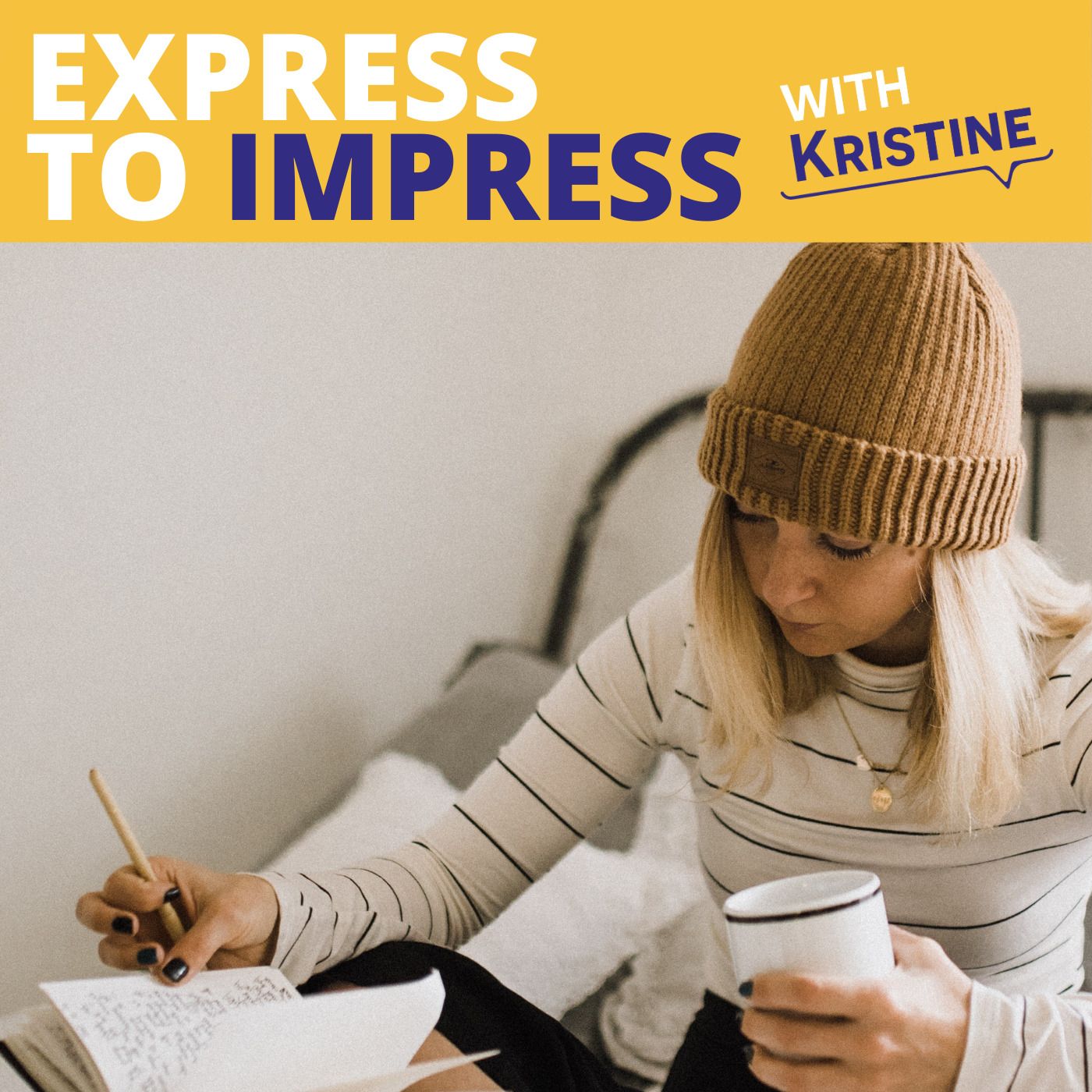
Brain Fried and Other English Phrases
 06:13
06:13 06:13
06:13說明
This episode is part two of the episode Introducing the Shadowing Technique for English Learning. In this episode, you will learn new English phrases and idioms. Increasing your English vocabulary for everyday conversations in your personal life and work will allow you to really speak the English language and connect with native speakers.
You'll learn seven definitions for the English phrases and idioms I used in the last episode. You'll also get some homework at the end so you can continue to improve your English communication skills. If you’re an English learner and currently work or want to work with native English speakers from the U.S., you won't want to miss it!
Episode originally published on September 18, 2020.
Transcript at https://www.express-to-impress.com/brain-fried-english-phrases/.
Podcast 頻道
Express to Impress
創作者
Podcast全集
Expresiones diaras para hablar como nativo😃👅🗣👥[Capitulo 10]
18:29
Questions for a Personal Mission Statement - Episode 87
03:03
¿Qué opinas de la salud mental?
08:08
The Speed Secret: Why Some People Learn Languages Faster (And How You Can Too)
07:01
Countries and Nationalities in Vietnamese
17:24
Getting Things Done – 40 Everyday Phrases | Real American English #006
24:25
The Murders on the Rue Morgue part 6
09:37
〈#2〉北海道の家の中はあたたかい!
02:43熱門集數

Gramatica para todos y todas 😐😋
COMO y PORQUE – ¿Cómo se utilizan y para qué sirven en español?, en menos de 2 minutos
01:08
Let's talk Nepali
Maya ke hola ( let's talk about Love/ Maya ) What is Love?
02:43
DAILY Business English VOCABULARY builder
Numbers can feel like a rollercoaster!
02:10
Japanese Lessons with Mayuna
S2 Ep15. 義務教育
02:57
Español Bipolar
Mi aprendizaje de español
08:23
Learn Chinese and Have Fun!
Which Tone Should “一” and “不” Have in Different Situations?
04:38
💃🏻111 Tips for Learning a Language
Tip 31 - Specially for bookworms to double the fun and double the learning!
03:20💃🏻111 Tips for Learning a Language
Tip 49 - Using Social Media to Pick Up Buzzwords and Real-World Language
08:10
