Cerca tra vari insegnanti di Inglese...
How people in Japan prepare for the new year お正月準備
 11:46
 11:46
Descrizione
New Year (正月, shōgatsu) is the most important holiday in Japan. Most businesses shut down from January 1 to January 3, and families typically gather to spend the days together.
Years are traditionally viewed as completely separate, with each new year providing a fresh start. Consequently, all duties are supposed to be completed by the end of the year, while bonenkai parties ("year forgetting parties") are held with the purpose of leaving the old year's worries and troubles behind.
Homes and entrance gates are decorated with ornaments made of pine, bamboo and plum trees, and clothes and houses are cleaned.
On New Year's eve, toshikoshi soba (buckwheat noodles), symbolizing longevity, are served. A more recent custom is watching the music show "kohaku uta gassen", a highly popular television program featuring many of Japan's most famous J-pop and enka singers in spectacular performances.
Canale dei podcast
Akari Talks Japan
Autore
Tutti gli episodi
[2]V/A지만: however
00:31
American English Shadowing Practice
04:13
С + What case?
02:46
How Beginners Can Learn Chinese Easily
01:23
chapter two
06:51
Learning Japanese (JLPT N5)- 1st lesson - PART 01
10:17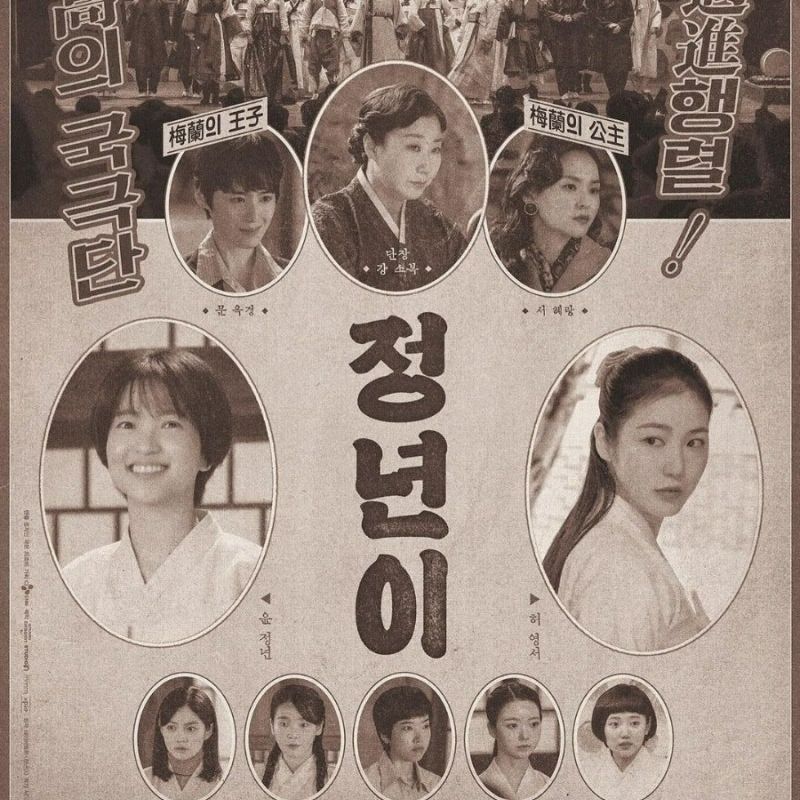
[K-drama 정년이-Star is born] Korean Traditional Arts Unveiled: Gukgeuk, Pansori & Changgeuk - 여성 국극, 판소리, 창극
02:53
Pointing and Beckoning: The Palm-Down "Come Here", the Chin Point and "Come This Side" | Understanding Indian English #106
23:39Episodi popolari
Listening Practice
[2]V/A지만: however
00:31Fluent American
American English Shadowing Practice
04:13All about Russian language 🌟
С + What case?
02:46Beginner Chinese Listening
How Beginners Can Learn Chinese Easily
01:23هزار و یک قصه (story time)
chapter two
06:51Mandakini Munasinghe
Learning Japanese (JLPT N5)- 1st lesson - PART 01
10:17[ㅇㄱㄹㅇ 덕후 톡] Real Deok-hu Talk Straight from K-media
[K-drama 정년이-Star is born] Korean Traditional Arts Unveiled: Gukgeuk, Pansori & Changgeuk - 여성 국극, 판소리, 창극
02:53Understanding Indian English | Accent, Rhythm & Expressions
Pointing and Beckoning: The Palm-Down "Come Here", the Chin Point and "Come This Side" | Understanding Indian English #106
23:39
