Cerca tra vari insegnanti di Inglese...
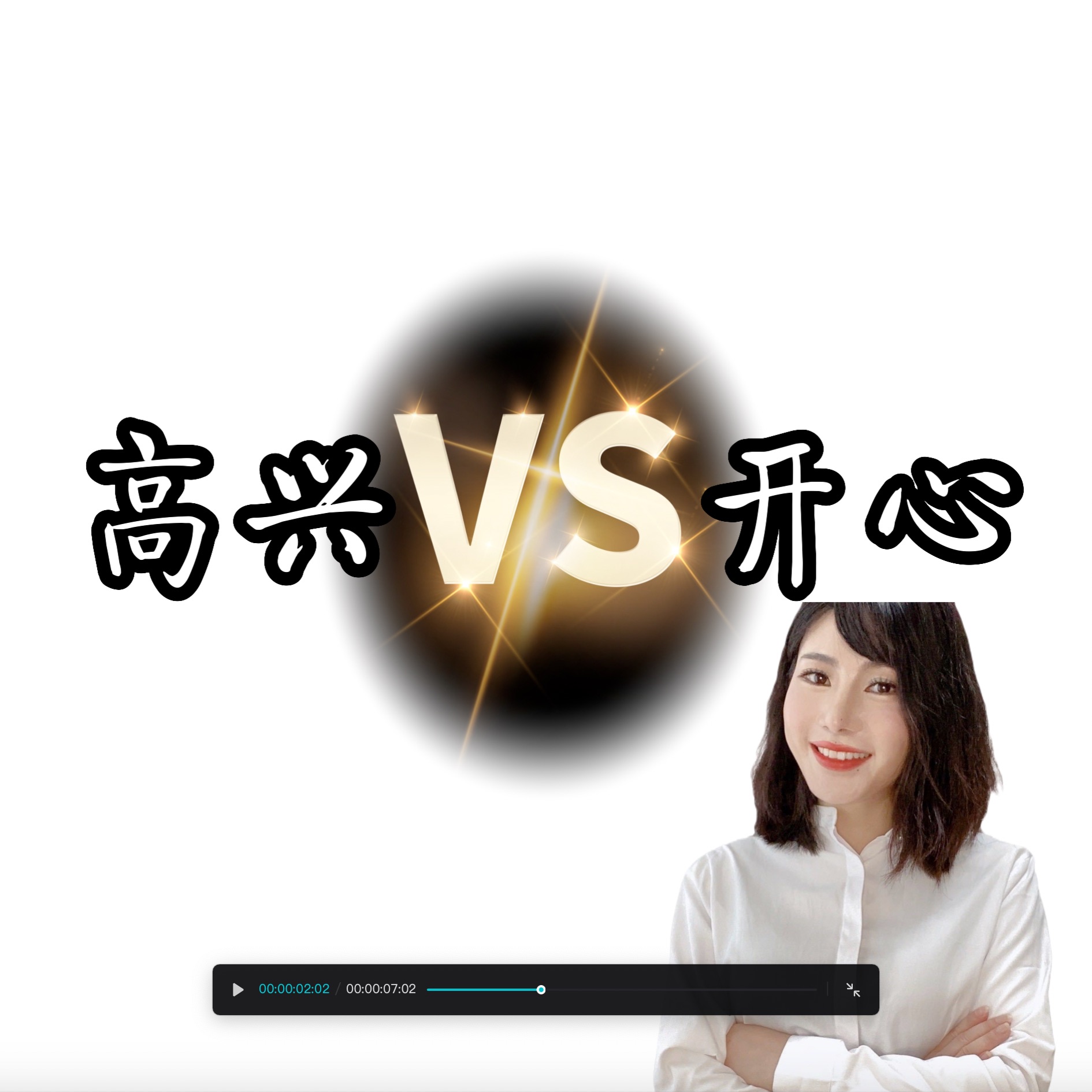
几 (jǐ) VS 多少 (duōshǎo)-HSK1
 01:53
01:53 01:53
01:53Descrizione
几 (jǐ) and 多少 (duōshǎo) are both words in Chinese that can be translated as "how many" or "how much" in English, but they are used in different contexts and convey slightly different meanings.
几 (jǐ) is usually used to ask about a small quantity, it can be roughly under 10, the number is vague.
For example:
你有几个兄弟? (Nǐ yǒu jǐ gè xiōngdì?)
How many brothers do you have?
我这里有几张照片? (Wǒ zhèlǐ yǒu jǐ zhāng zhàopiàn?)
How many photos do I have here?
现在几点?
Xiànzài jǐ diǎn
What time is it now?
多少 (duōshǎo) is usually used to ask about a bigger quantity. When the number is not certain but you assume it's definitely more than ten, it's better to ask the question with 多少 (duōshao) instead of 几 (jǐ). For example:
这个东西多少钱? (Zhège dōngxi duōshǎo qián?)
How much does this thing cost?
你的工资多少? (Nǐ de gōngzī duōshǎo?)
How much is your salary?
Note that in some contexts, 几 (jǐ) and 多少 (duōshǎo) can be used interchangeably, especially in spoken Chinese. In this case, the choice of word may depend on the speaker's style or emphasis.
Canale dei podcast
Difference between A and B in Chinese with Shanmei
Autore
Tutti gli episodi

HOW TO Build Longer Sentences
02:41
Hatim Ali - The Real Lens
03:24
你最喜欢什么时候?
01:42
30000-2.3
08:36
11. Яка Ваша улюблена їжа? Was ist Ihr Lieblingsessen? Німецька для початківців А1.1
07:46
CAPÍTULO 12 - SOY - I AM
04:35
На аутобуској станици – Na autobuskoj stanici – At the bus station (Dialogue A1-A2 level)
00:59
What is a Lollipop Lady? (With transcript)
14:04Episodi popolari
LEARN BY LISTENING
HOW TO Build Longer Sentences
02:41Beyond Borders: Immersing in Syrian Culture
Hatim Ali - The Real Lens
03:24One minute Chinese
你最喜欢什么时候?
01:42chinesewithsallys
30000-2.3
08:36Deutsch mit Zhanna
11. Яка Ваша улюблена їжа? Was ist Ihr Lieblingsessen? Німецька для початківців А1.1
07:46conjuguemos y conjugamos
CAPÍTULO 12 - SOY - I AM
04:35SERBIAN TO GO
На аутобуској станици – Na autobuskoj stanici – At the bus station (Dialogue A1-A2 level)
00:59Teacher Joseph's Podcast
What is a Lollipop Lady? (With transcript)
14:04
