Выбрать из множества учителей по предмету английский...
Episode 7 — 他動詞と自動詞(を/が とセットで反復練習で定着させる)
 04:26
04:26 04:26
04:26Описание
他動詞は、動作が他の対象に及ぶ動詞で、目的語を取り、助詞「を」を使います。主語は行為者で、「は」「が」どちらも使えます。
例:私は/私がドアを開ける。(は・が・を)彼は/彼が本を読む。
Transitive verbs describe actions performed by the subject on an object. They take an object marked by “を”. The subject is the doer, and both “は” and “が” can be used.
Example: I open the door. / He reads a book.
自動詞は、主体そのものの動作・変化・状態を表す動詞で、目的語を取りません。主語には助詞「が」を使います。
例:ドアが開く。子どもが寝る。
Intransitive verbs describe an action, change, or state of the subject itself. They do not take an object. The subject is marked by “が”.
Example: The door opens. / The child sleeps.
つまり、他動詞は「何かに働きかける動き」、自動詞は「主体がどうなるか・どうするか」に注目します。
In short, transitive verbs focus on acting on something, while intransitive verbs focus on what the subject does or becomes.
Канал подкастов
Intermediate Advanced 文法ミス 中級者・上級者になるために 確認したい よくある文法ミスとその傾向 Common Grammar Mistakes and Patterns
Автор
Все выпуски

Comidas típicas de SEMANA SANTA en España🍽️ | Cultura y tradición
12:42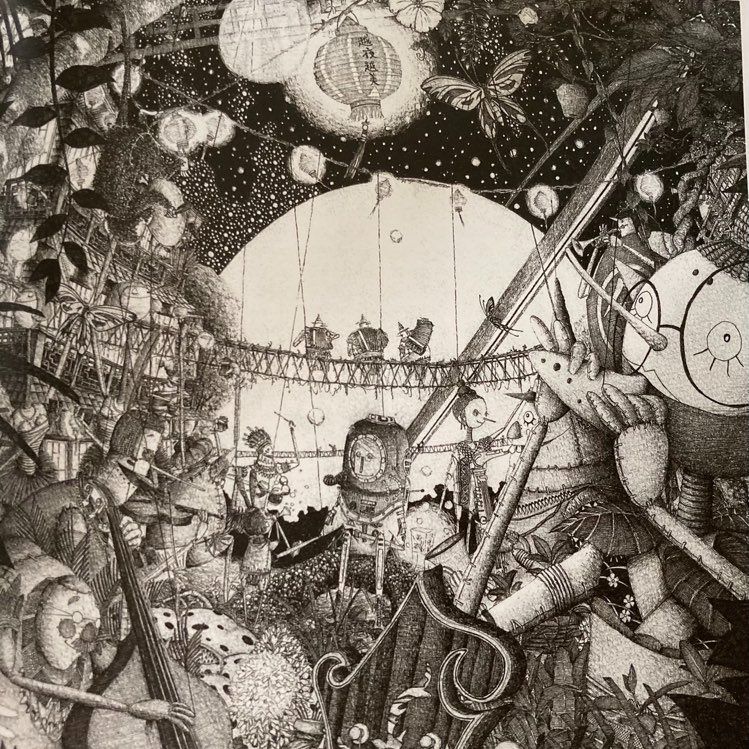
朗読:『オルゴールワールド』#13 にしのあきひろ著
01:22
Tankar På Svenska : Fitness och hälsa del 3
11:00
Learn with me introduce yourself
01:04
Reported Speech in Malayalam — എന്ന് and How to Say “Apparently” | Learn Malayalam #331
09:29
The Western Ghats — The Mountains That Made Kerala | Learn Malayalam #203
09:47
DON'T BE AFRAID TO LOSE
17:20
Tips for Better Learning
17:07Популярные выпуски
VAMOS AL LÍO ¡¡¡ESCUCHA!!!
Comidas típicas de SEMANA SANTA en España🍽️ | Cultura y tradición
12:42朗読クラブ📚Reading to Japanese language learners
朗読:『オルゴールワールド』#13 にしのあきひろ著
01:22Tankar på svenska
Tankar På Svenska : Fitness och hälsa del 3
11:00Learning spanish with Rossy
Learn with me introduce yourself
01:04Malayalam Grammar Made Obvious | Cases, Verbs and Tenses
Reported Speech in Malayalam — എന്ന് and How to Say “Apparently” | Learn Malayalam #331
09:29Kerala Culture Decoded | Onam, Weddings, Family and Customs
The Western Ghats — The Mountains That Made Kerala | Learn Malayalam #203
09:47KRISTEL TALKS
DON'T BE AFRAID TO LOSE
17:20Teacher Joseph's Podcast
Tips for Better Learning
17:07
