寻找适合你的 英语 教师…

Reading Practice & Comprehension. How to spot fake news.
 02:28
 02:28
描述
Every time you're online, you are bombarded by pictures, articles, links and videos trying to tell their story. Unfortunately, not all of these stories are true. Sometimes they want you to click on another story or advertisement at their own site, other times they want to upset people for political reasons. These days it's so easy to share information. These stories circulate quickly, and the result is … fake news.
There is a range of fake news: from crazy stories which people easily recognise to more subtle types of misinformation. Experts in media studies and online psychology have been examining the fake news phenomenon. Read these tips, and don't get fooled!
1. Check the source
Look at the website where the story comes from. Does it look real? Is the text well written? Are there a variety of other stories or is it just one story? Fake news websites often use addresses that sound like real newspapers, but don't have many real stories about other topics. If you aren't sure, click on the 'About' page and look for a clear description of the organisation.
2. Watch out for fake photos
Many fake news stories use images that are Photoshopped or taken from an unrelated site. Sometimes, if you just look closely at an image, you can see if it has been changed. Or use a tool like Google Reverse Image search. It will show you if the same image has been used in other contexts.
3. Check the story is in other places
Look to see if the story you are reading is on other news sites that you know and trust. If you do find it on many other sites, then it probably isn't fake (although there are some exceptions), as many big news organisations try to check their sources before they publish a story.
4. Look for other signs
There are other techniques that fake news uses. These include using ALL CAPS and lots of ads that pop up when you click on a link. Also, think about how the story makes you feel. If the news story makes you angry, it's probably designed to make you angry.
播客频道
The Habits of Professionals Growing Into Strong, Confident English Communicators
播客创作者
所有播客集

Nummers in russian (1 - 10) + I have a ..... / У меня есть + цифры (1-10) - Kоротко и ясно!
01:49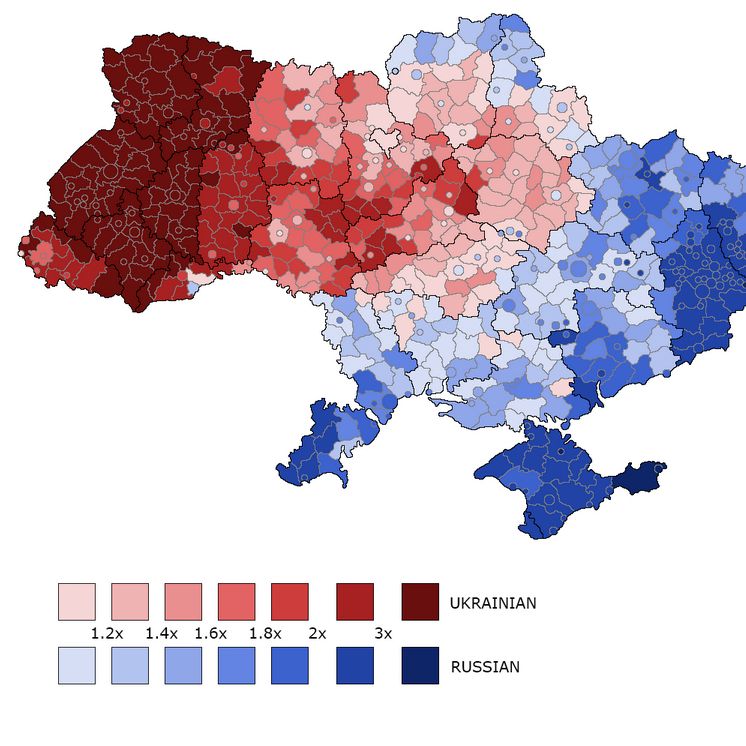
Should I learn Russian or Ukrainan?
04:01
Calling Home in Malayalam — Part 3: Script Edition, From Hello to Hanging Up | Learn Malayalam #13
09:12
“Is it true that someone who are good at their job quickly reply?”「仕事ができる人ほど「メール返信が早い」は本当か」
18:49
How to express “ I can..." in Chinese?
01:43
Ep. 3 - Pronunciación letra R | How to pronounce the R in Spanish
14:52
Business Malayalam — Meetings, Deals and Why നോക്കാം Often Means No | Learn Malayalam #92
13:06
Weird and Wonderful Idioms (with transcript)
18:47热门播客集
russian in context
Nummers in russian (1 - 10) + I have a ..... / У меня есть + цифры (1-10) - Kоротко и ясно!
01:49Russian vs English facts and much more
Should I learn Russian or Ukrainan?
04:01Speak Real Malayalam | Slow • Clear • Natural
Calling Home in Malayalam — Part 3: Script Edition, From Hello to Hanging Up | Learn Malayalam #13
09:12"After 5" by Japanese Teacher
“Is it true that someone who are good at their job quickly reply?”「仕事ができる人ほど「メール返信が早い」は本当か」
18:49Veronica's Chinese Channel
How to express “ I can..." in Chinese?
01:43Valen en Español
Ep. 3 - Pronunciación letra R | How to pronounce the R in Spanish
14:52Malayalam Survival Kit | Food, Travel & Getting Around Kerala
Business Malayalam — Meetings, Deals and Why നോക്കാം Often Means No | Learn Malayalam #92
13:06Teacher Joseph's Podcast
Weird and Wonderful Idioms (with transcript)
18:47
