寻找适合你的 英语 教师…

Change Management Explained Episode 49
 08:02
08:02 08:02
08:02描述
Change Management refers to the systematic approach, methodologies, and tools employed to guide individuals, teams, and organizations through a transition from a current state to a desired future state in response to internal or external factors.
Key Components :
Preparation: Establishing a clear vision, understanding the impact of change, and developing a strategic plan.
Support: Providing resources, training, and communication to facilitate the transition.
Sustainment: Ensuring that the change is integrated into the organization’s culture and practices for long-term success.
Drivers of Change:
Technological Evolution: Rapid advancements in technology necessitating organizational adaptation.
Process Improvement: Internal reviews aimed at enhancing efficiency and productivity.
Crisis Response: Adjustments made in reaction to unforeseen events or challenges.
Market Dynamics: Shifts in customer demand, competitive pressures, or industry trends.
Structural Reorganization: Mergers, acquisitions, or restructuring within the organization.
Principles of Effective Change Management:
Leadership Involvement: Active and visible sponsorship from top management.
Stakeholder Engagement: Involving those affected by the change in the planning and implementation process.
Communication: Transparent, timely, and consistent messaging about the change.
Training and Development: Equipping employees with the necessary skills and knowledge.
Resistance Management: Identifying and addressing concerns and barriers to change.
Outcomes of Change Management:
Enhanced Agility: Improved ability to respond to market changes and opportunities.
Increased Efficiency: Streamlined processes and elimination of redundancies.
Employee Empowerment: A workforce that is adaptable and embraces change.
Competitive Advantage: Staying ahead in the market by innovating and evolving.
Strategic Alignment: Ensuring that all levels of the organization are moving in the same direction.
播客频道
The Global Professional Podcast
播客创作者
所有播客集

#3 なおやにサプライズ!/ #2 関西弁講座 | #3 A surprise to Naoya!/ #2 Kansai Dialect Lecture
21:12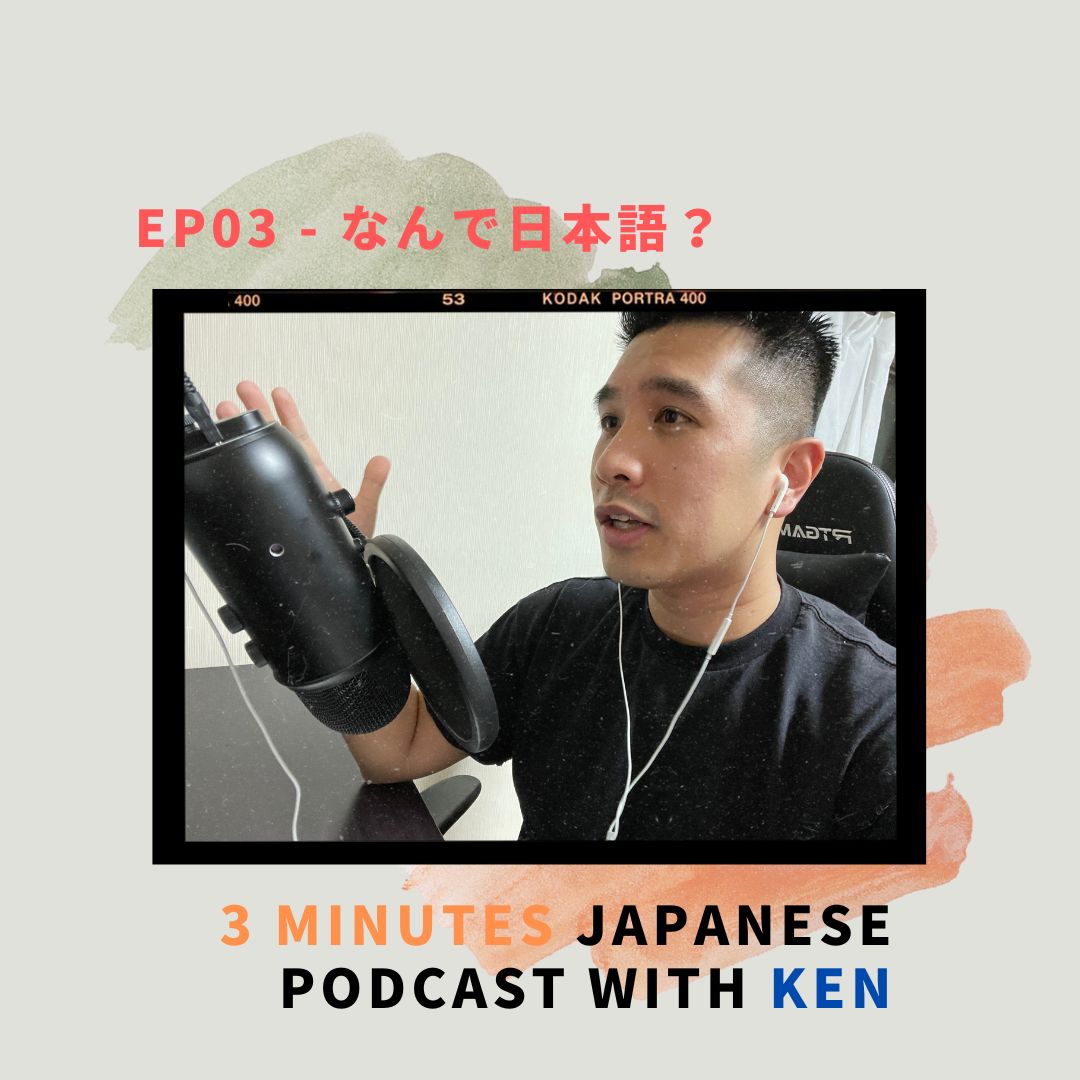
ep. 03 - なんで日本語?
03:40
Tip 51 – How To Study A Language Without A Goal Or A Real Purpose
09:46
Episodio 1: Sanremo e Fantasanremo
11:39
Meeting And Greeting Pt 3 - (Beginner Arabic Conversation)
05:34
Marco y su trámite en Español | Principiantes
02:36
IELTS Preparation. The speaking Part, The Missing Element
02:13
160- Capitales de España
11:19热门播客集
Real-Life Japan
#3 なおやにサプライズ!/ #2 関西弁講座 | #3 A surprise to Naoya!/ #2 Kansai Dialect Lecture
21:123 Minutes Japanese Podcast with Ken
ep. 03 - なんで日本語?
03:40💃🏻111 Tips for Learning a Language
Tip 51 – How To Study A Language Without A Goal Or A Real Purpose
09:46Una decina di minuti
Episodio 1: Sanremo e Fantasanremo
11:39The Perfect Conversation Method (Arabic - Beginner)
Meeting And Greeting Pt 3 - (Beginner Arabic Conversation)
05:34Historias para Aprender Español
Marco y su trámite en Español | Principiantes
02:36IELTS-SPEAKING 8-9 BAND IS POSSIBLE. DAILY SPEAKING PRACTICE PART 1,2 & 3. Listen daily.
IELTS Preparation. The speaking Part, The Missing Element
02:13Blanca to go
160- Capitales de España
11:19