尋找適合你的 英語 教師……
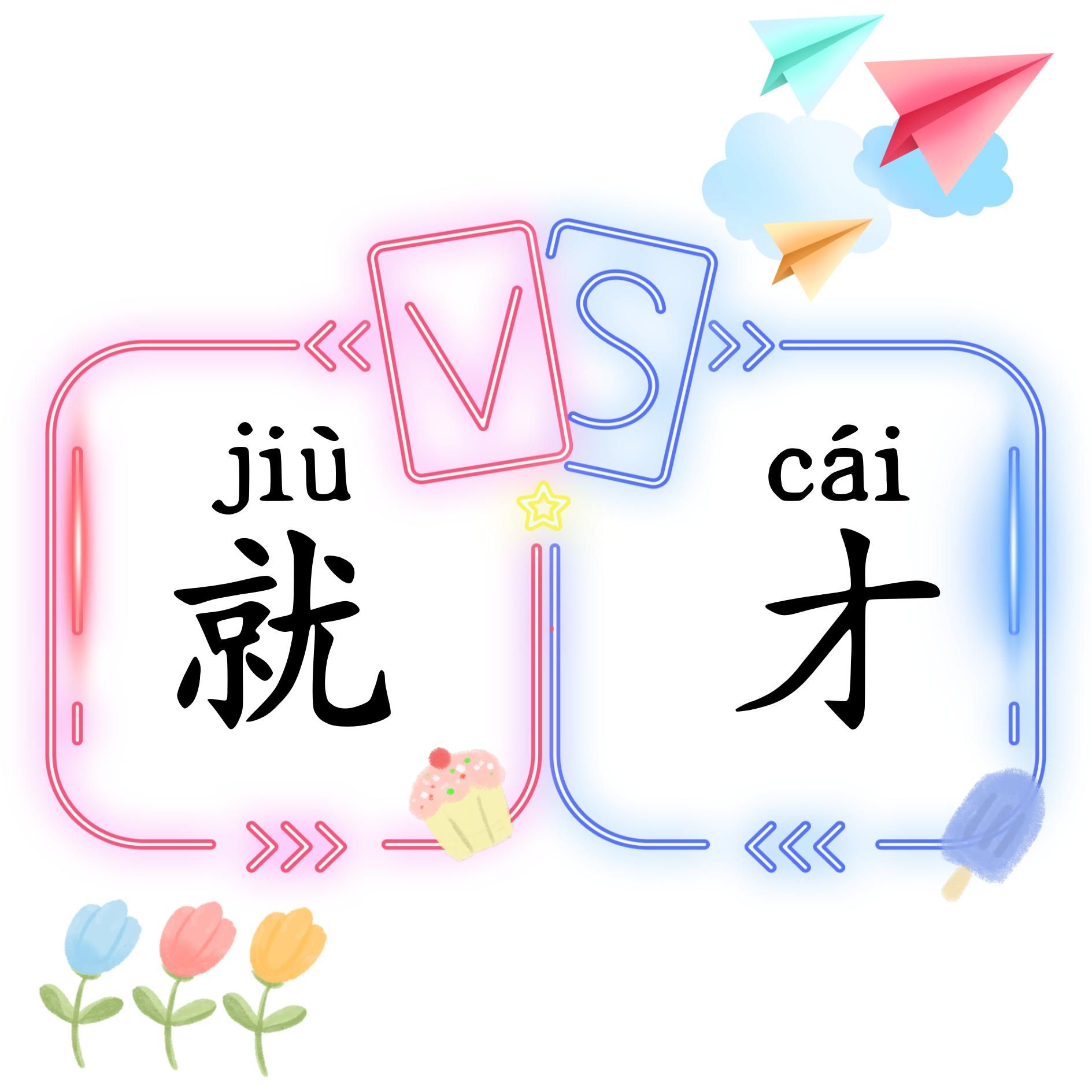
就jiù&才cái
 01:07
01:07 01:07
01:07說明
就(jiù):emphasizes that the speaker thinks that the event occurs too early, too fast or too smoothly;
才(cái):emphasizes that the speaker thinks that the event occurs too late, too slowly or too difficultly.
For example:
bā diǎn shànɡ kè ,
八 点 上 课 ,
dà wèi qī diǎn bàn jiù lái le ,
大 卫 七 点 半 就 来 了 ,
mǎ kè bā diǎn shí fēn cái lái 。
马 克 八 点 十 分 才 来 。
zuò huǒ chē shí ɡè xiǎo shí cái dào běi jīnɡ ,
坐 火 车 十 个 小 时 才 到 北 京 ,
zuò fēi jī yí ɡè bàn xiǎo shí jiù dào le 。
坐 飞 机 一 个 半 小 时 就 到 了 。
Podcast 頻道
JOJO CHINESE
創作者
Podcast全集

Maradona-Messi
08:05
다시 만날 인연 | Korean Podcast for Intermediate
07:09
◉ Выпуск 1. Общая информация об экзамене / General information about the exam
07:39
¡VAMOS AL MERCADO JUNTOS!
01:25
Some Examples About Turkish "R" sound
00:09
"店(みせ)" の ちょっと とくべつな 使い方
03:43
Why should we learn Spanish? PODCAST 001
02:21
CIUDAD DE MÉXICO EPISODIO NÚMERO DIECISEIS.
06:13熱門集數
Maradona-Messi
Maradona-Messi
08:05Korean Podcast with Naeun
다시 만날 인연 | Korean Podcast for Intermediate
07:09✅ ТРКИ / TORFL (Test of Russian as a Foreign Language)
◉ Выпуск 1. Общая информация об экзамене / General information about the exam
07:39ESPAÑOL EN CONTEXTOS REALES
¡VAMOS AL MERCADO JUNTOS!
01:25Work on Your Pronunciation
Some Examples About Turkish "R" sound
00:09ようへい先生 N4~N3 レベルの生徒(せいと)へ (^^♪
"店(みせ)" の ちょっと とくべつな 使い方
03:43Podcast Learn Spanish
Why should we learn Spanish? PODCAST 001
02:21Spanish México
CIUDAD DE MÉXICO EPISODIO NÚMERO DIECISEIS.
06:13
