Cerca tra vari insegnanti di Inglese...
25. カタカナはいつ使う?
 03:33
03:33 03:33
03:33Descrizione
Full transcript: https://japanesemayuna.com/
はい、こんにちは。今回はポッドキャストの25回目です。今日は3回目のワクチンを受けました。2回目と違って予約は必要なく、場所も近所だったので簡単でした。午後、私はワクチンを打ったことを忘れていて、筋トレをしてしまいました。ワクチンを打った後は、激しい運動は禁止なので、ちょっと不安です。具合が悪くならないといいです。
Hello. This is episode 25 of my podcast. Today I had my third vaccine - unlike the second one, I didn't need an appointment and the location was in my neighbourhood, so it was easy. In the afternoon I forgot that I had had the vaccine and did some muscle training. I'm a bit worried because after the vaccine, I'm not allowed to do any strenuous exercise. I hope I won't get sick.
今日の朝レッスンで、質問がありました。カタカナの単語についてです。一般的に、日本語では、外国語の単語をカタカナで表現します。ところが、カタカナと日本語の2種類の言い方ができる単語もあります。例えば、「ティッシュペーパー」は「ちり紙」とも言われます。いつ、どっちを使うのか?という質問でした。今日はこのことについてお話ししたいと思います。
In today's morning lesson, a question was asked. It is about katakana words. Generally, in Japanese, foreign words are written in Katakana. However, some things can be expressed using 2 different words: an imported foreign word which is written in katakana, and a native Japanese word which is written in Hiragana or Kanji. For example, 'Tisshupe-pa- (tissue paper)' is a foreign word. You can also use the native Japanese word: ‘Chirigami (tissue paper)’. When do we use which one? This was the question. Today I would like to talk about this.
商品のマーケティングや広告には、カタカナがよく使われます。例えば、日本のファッションのウェブサイトでは「ニット」「キャップ」「マフラー」などの単語が使われています。これらを日本語で「編み物」「帽子」「襟巻き」と言うこともできますが、カタカナを使うことで、現代的なイメージにしています。とくに「襟巻き」は古いイメージのある言葉で、お年寄りの人以外が使っているのを聞いたことがありません。
Katakana is often used in product marketing and advertising. For example, Japanese fashion websites use words such as 'Nitto (knit)', 'Kyappu (cap)' and 'Mafura- (A scarf. From the old-fashioned English word "muffler")'. These could be called 'Amimono (knit)', 'Boushi (cap)' or 'Erimaki (scarf)' in Japanese, but the use of Katakana gives them a modern image. In particular, 'Erimaki (scarf)' has an old-fashioned image and I have never heard it used except by elderly people.
Canale dei podcast
Japanese Lessons with Mayuna
Autore
Tutti gli episodi

#15 - Lithuanian for Beginners - Self-Introduction & Questions (A1)
11:57
05 Use "when who what where " to make your speaking more DETAILED!
04:18
French Listening Practice | I Don't Like Traveling
05:22
Navidad en Colombia
02:30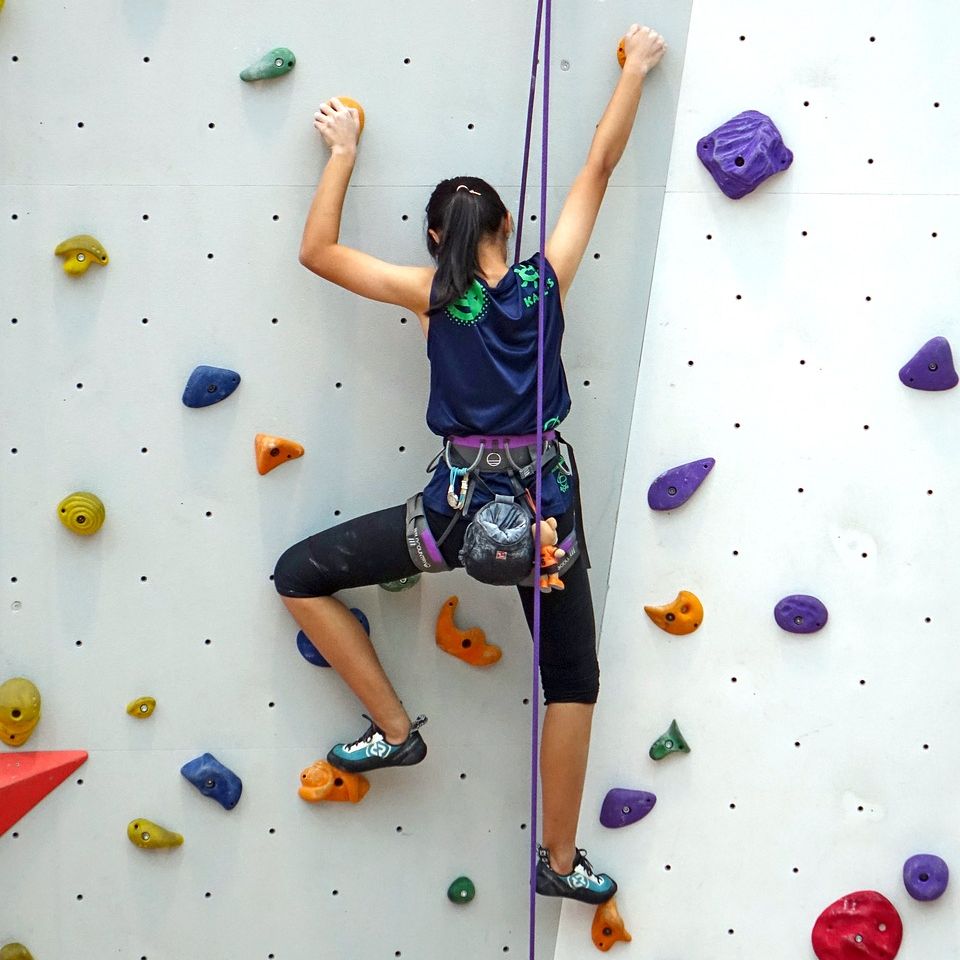
Пењачки центар у Силосима у Београду – Penjački centar u Silosima u Beogradu (B1 and above)
02:40
Il francese mi perseguita
17:57
#150 雪が降りました!について
04:52
IELTS SPEAKING PART 1. Hometown
03:07Episodi popolari
Lithuanian with Paulius
#15 - Lithuanian for Beginners - Self-Introduction & Questions (A1)
11:57Build Your English Thinking
05 Use "when who what where " to make your speaking more DETAILED!
04:18French Stories For All
French Listening Practice | I Don't Like Traveling
05:22Spanish with a Colombian coffee
Navidad en Colombia
02:30SERBIAN TO GO
Пењачки центар у Силосима у Београду – Penjački centar u Silosima u Beogradu (B1 and above)
02:40The Italian Miscellaneous Podcast🖐
Il francese mi perseguita
17:57Atsushi のJapanese podcast (travel/news /文法・漢字・語彙/Osaka/Hokkaido/🇹🇷🇬🇪🇦🇲🇪🇸🇵🇹)
#150 雪が降りました!について
04:52IELTS-SPEAKING 8-9 BAND IS POSSIBLE. DAILY SPEAKING PRACTICE PART 1,2 & 3. Listen daily.
IELTS SPEAKING PART 1. Hometown
03:07