Cerca tra vari insegnanti di Inglese...
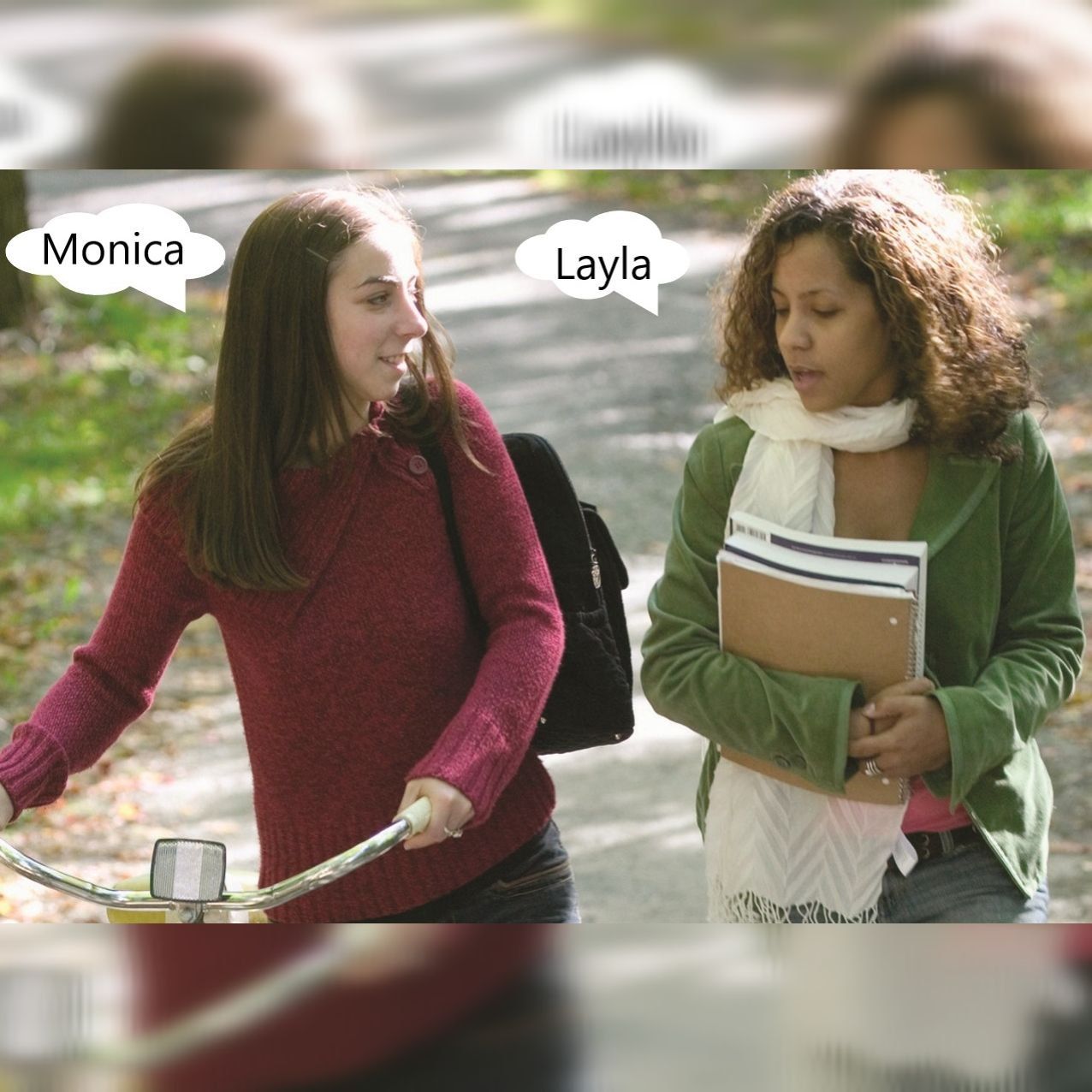
Day 30 (final) : Giving advice
 00:44
00:44 00:44
00:44Descrizione
LAYLA: Thanks for meeting with me during your lunch hour. I
appreciate it.
MONICA: No problem. I’m happy to help. What’s going on?
LAYLA: Oh you know, the usual. Should I take this new job? Or do I
stick with my current one?
MONICA: Well, I think it’s time for a change, don’t you? They pay you late
and you are unhappy.
LAYLA: Do you really think so?
MONICA: I know so. And I’ve been listening to you complain for over a
year now. Trust me. Take the job. What do you have to lose?
LANGUAGE NOTES
• In formal conversation, giving advice is often suggested through modals: ought to/
should / could / If I were you. In informal conversations people tend to use words such
as I think that/ I feel that/ in my opinion.
• Listen for the emphasis on I know so and Trust me. These common phrases can be
used to convey both positive and negative emotions. “I know so” conveys a deep belief
or certainty. “To know” shows more certainty than “to think.”
• Notice the use of command forms: Take the job. /Trust me./ Go for it! The command
form can be used to gently persuade someone
Canale dei podcast
English Conversation practice (30-day challenge)
Autore
Tutti gli episodi

Dialogue 1. The Chair (Scaunul)
00:38
5 Minute Plan to Learn English in the New Year.
04:04
EP.3|「隨便」真的是隨便嗎?— The Truth About "Suíbiàn" (Whatever in Mandarin)
13:17
Histoire 9 - Zorba le chat
01:26
Barbie Pizzaiola
21:13
Introduction (Advanced level)
07:04
British Vowel Sound Masterclass: Lesson 8: - The E
05:12
【Japanese Podcast#21】東京人(とうきょうじん)は冷(つめ)たい?Tokyo people are NOT nice?
04:04Episodi popolari
Romanian with Gia
Dialogue 1. The Chair (Scaunul)
00:38The Social Evolutionary
5 Minute Plan to Learn English in the New Year.
04:04Chiānese Mandarin
EP.3|「隨便」真的是隨便嗎?— The Truth About "Suíbiàn" (Whatever in Mandarin)
13:17Des Milliers D'histoires
Histoire 9 - Zorba le chat
01:26The Italian Miscellaneous Podcast🖐
Barbie Pizzaiola
21:13たつきのにほんご
Introduction (Advanced level)
07:04British Pronunciation Tips
British Vowel Sound Masterclass: Lesson 8: - The E
05:12NANAのにほんごpodcast
【Japanese Podcast#21】東京人(とうきょうじん)は冷(つめ)たい?Tokyo people are NOT nice?
04:04
