寻找适合你的 英语 教师…
Episode 7 — 他動詞と自動詞(を/が とセットで反復練習で定着させる)
 04:26
04:26 04:26
04:26描述
他動詞は、動作が他の対象に及ぶ動詞で、目的語を取り、助詞「を」を使います。主語は行為者で、「は」「が」どちらも使えます。
例:私は/私がドアを開ける。(は・が・を)彼は/彼が本を読む。
Transitive verbs describe actions performed by the subject on an object. They take an object marked by “を”. The subject is the doer, and both “は” and “が” can be used.
Example: I open the door. / He reads a book.
自動詞は、主体そのものの動作・変化・状態を表す動詞で、目的語を取りません。主語には助詞「が」を使います。
例:ドアが開く。子どもが寝る。
Intransitive verbs describe an action, change, or state of the subject itself. They do not take an object. The subject is marked by “が”.
Example: The door opens. / The child sleeps.
つまり、他動詞は「何かに働きかける動き」、自動詞は「主体がどうなるか・どうするか」に注目します。
In short, transitive verbs focus on acting on something, while intransitive verbs focus on what the subject does or becomes.
播客频道
Intermediate Advanced 文法ミス 中級者・上級者になるために 確認したい よくある文法ミスとその傾向 Common Grammar Mistakes and Patterns
播客创作者
所有播客集
hsk3 第二课 1 他什么时候回来
04:56
Episode 3: Small Talk
13:30
А.П. Чехов "Новая дача"
01:16
DON'T Wish Me Luck!
01:38
第十二课 打电话 lesson 12 make a call
02:14
【Japanese Podcast#32】東京(とうきょう)に何(なに)が起(お)こってる!? | What's going on in Tokyo!?
09:08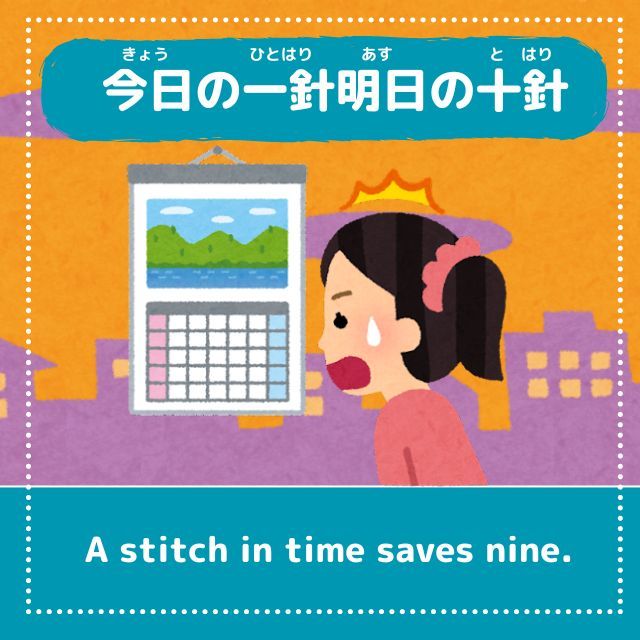
今日のひとはり明日のとはり
03:22
Informal English with Eric: Apologizing
02:18热门播客集
hsk
hsk3 第二课 1 他什么时候回来
04:56The Art of Asking Questions
Episode 3: Small Talk
13:30Нескучные истории - Not boring stories
А.П. Чехов "Новая дача"
01:16The Social Evolutionary
DON'T Wish Me Luck!
01:38Basic communication conversations
第十二课 打电话 lesson 12 make a call
02:14NANAのにほんごpodcast
【Japanese Podcast#32】東京(とうきょう)に何(なに)が起(お)こってる!? | What's going on in Tokyo!?
09:08やさしい日本語(にほんご)
今日のひとはり明日のとはり
03:22English with Eric
Informal English with Eric: Apologizing
02:18
