Search from various English teachers...
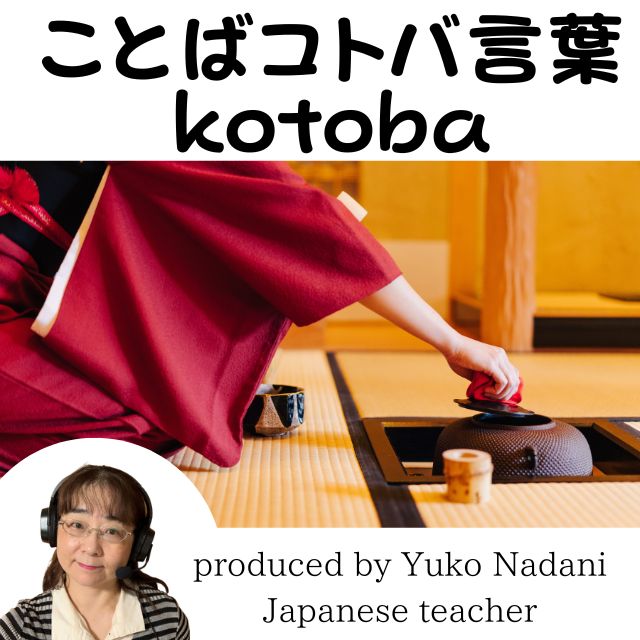
「か」at the end of sentence
 01:35
01:35 01:35
01:35Description
文の最後につく「か」 「か」 at the end of a sentence
「か」 means not only “question”, but also “proposal” and “reaffirmation” . Let’s see some sample sentences!
こんにちは。おげんきですか。
「おげんきですか」の「か」は、人になにかを聞くときに使いますね。
「いそがしいですか。」「ちょっと いいですか。」「これはいくらですか。」など、質問するときに使います。
でも、「か」は 質問するときだけ使うのでしょうか。
例えば、
「いっしょに ご飯 食べようか。」
「ごはんのあとで、花火しようか。」
この「か」は、いっしょに何かをしようと提案したいときに使っています。
それから、
「え!きょうが かのじょの 誕生日だったのか。わすれてたよ!」
「ああ、これか。 田中さんがおいしいって言ってたアイスクリーム。」
ここで使われている「か」は、再確認したいときに使っています。
このように文の最後につく「か」には 「質問」「提案」「再確認」の3つの使い方があります。
① Question 質問(しつもん)
② Proposal 提案(ていあん)
③ Reaffirmation 再確認(さいかくにん)
Podcast Channel
ことばコトバ言葉kotoba
Author
All episodes
宮崎(みやざき)の良(い)いところ with New DJI mic
09:26
Il leone e il cinghiale
01:18
Perché si festeggia il carnevale a Venezia?
06:30
Learn Basic French: Les moyens de transport (means of transport)
22:45
Family members in Swahili with examples
05:04
Business Story Episode 5
04:28
Especial Navidad 2.5-Quiénes reparten regalos en España
11:44
IELTS Preparation. Band 8-9 Answers. Part 3 - Gift. Q5.
02:33Popular episodes
Marichanの部屋(へや)
宮崎(みやざき)の良(い)いところ with New DJI mic
09:26Vittorio per Voi
Il leone e il cinghiale
01:18ITALPOP
Perché si festeggia il carnevale a Venezia?
06:30Learn Basic French Podcast
Learn Basic French: Les moyens de transport (means of transport)
22:45Lets Learn Swahili
Family members in Swahili with examples
05:04The Global Professional Podcast
Business Story Episode 5
04:28Blanca to go
Especial Navidad 2.5-Quiénes reparten regalos en España
11:44IELTS-SPEAKING 8-9 BAND IS POSSIBLE. DAILY SPEAKING PRACTICE PART 1,2 & 3. Listen daily.
IELTS Preparation. Band 8-9 Answers. Part 3 - Gift. Q5.
02:33