Search from various English teachers...

Lesson 1 Learn English with Tom
 02:35
02:35 02:35
02:35Description
Welcome to our first lesson! Today, we’re starting with the basics of sentence structure. Every sentence in English has three key parts: a subject, a verb, and an object. Let’s dive into what each part means and how they work together.
The subject is the person, place, or thing that the sentence is about. The verb shows the action or state of being. The object receives the action of the verb. For example, in the sentence "I eat apples," "I" is the subject, "eat" is the verb, and "apples" is the object.
Let’s look at some more examples. "She reads books." Here, "she" is the subject, "reads" is the verb, and "books" is the object. Another example is, "They play soccer." In this sentence, "they" is the subject, "play" is the verb, and "soccer" is the object.
Now, let’s practice together. Repeat after me: "I eat apples." Great! Now let’s try another one: "I watch TV." Excellent! Next, we’ll create some sentences together. I’ll say, "I [verb] [object]," and you can choose your own verb and object to complete the sentence. For example, "I see flowers," or "I like pizza."
Let’s make our practice a bit more creative. Think about activities you do every day. For instance, "I drink coffee," or "I read the newspaper." You could also say, "I walk to school," or "I write emails." Can you add a few more examples of things you do regularly? Practice saying them aloud to build confidence in using the Subject + Verb + Object structure. Try to include activities from different parts of your day, like morning routines, work tasks, or evening hobbies. Think about what you do when you wake up, such as "I brush my teeth," or "I make the bed." Then consider what you might do later, like "I cook dinner," or "I watch TV before bed."
Podcast Channel
Learn English With Tom https://www.youtube.com/@LearnAmericanEnglishWithTom
Author
Popular episodes
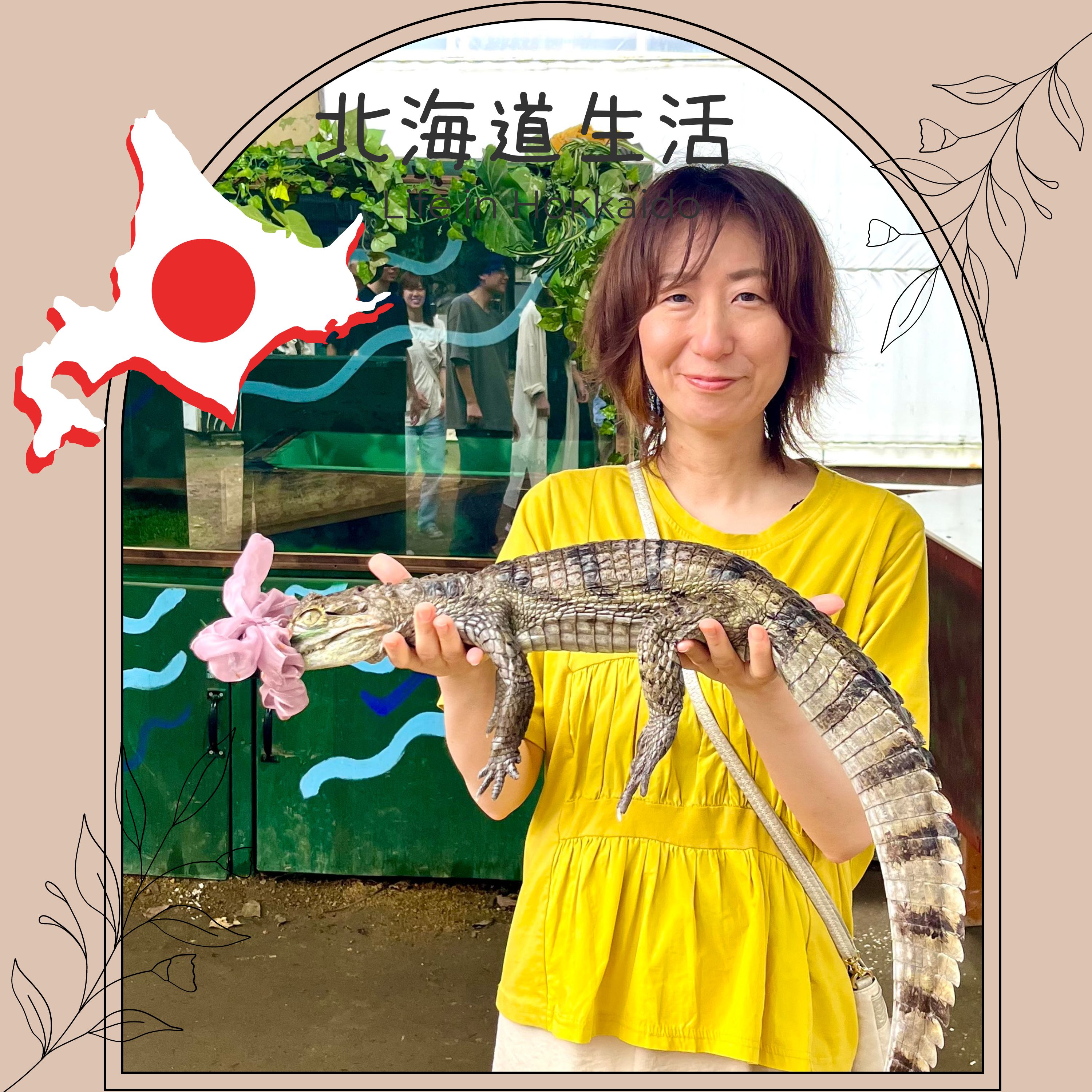
北海道Hokkaido生活 for Japanese learners
〈#186〉動物に会いに行ったよ!
03:40
北海道Hokkaido生活 for Japanese learners
〈#185〉あつい!北海道も暑い!
03:52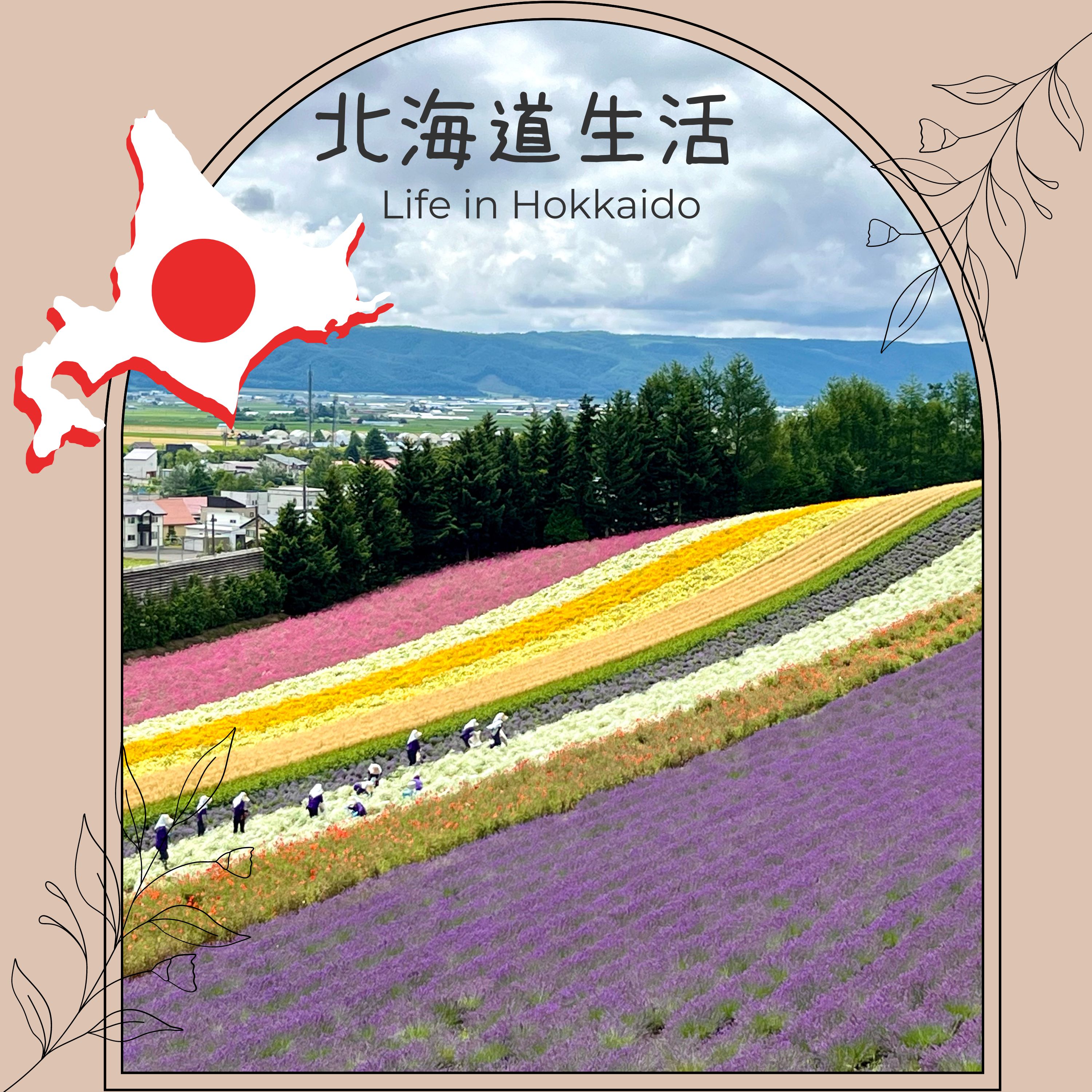
北海道Hokkaido生活 for Japanese learners
〈#184〉お花畑を見に行きました!《富良野/ふらの》
04:35
北海道Hokkaido生活 for Japanese learners
〈#183〉10,000,000円落ちてた!札幌市のものになった
03:02
北海道Hokkaido生活 for Japanese learners
〈#182〉 温泉に行って、こいのぼりを見た!
03:19
