A DELF A1 study guide should make the beginner exam feel concrete: what skills are tested, what tasks you need to complete, and what to practise first.
At A1, your goal is basic communication. You need to understand simple messages, give personal information, write short notes, and answer predictable spoken questions.
italki is a strong option for DELF A1 prep because the speaking and writing tasks need correction, not only self-study. French teachers can rehearse the oral production format, fix beginner sentence patterns, and help you prepare simple answers for exam day. Because italki has supported 10M+ learners and lists 30,000+ teachers across 150+ languages, you can find beginner-friendly French support instead of preparing for the exam alone.
Key takeaways
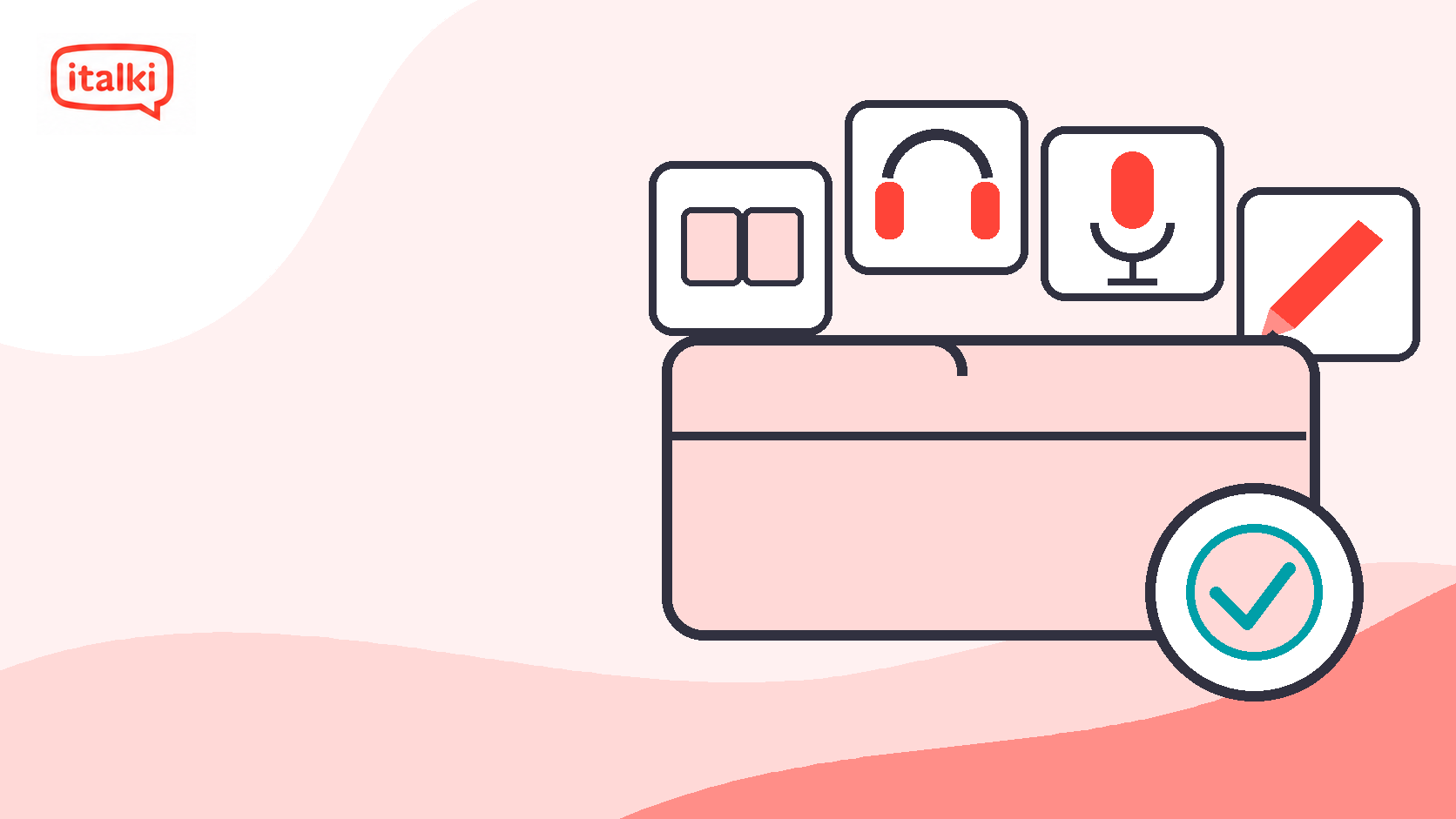
- DELF A1 tests listening, reading, writing, and speaking at basic communication level.
- Speaking is the hardest skill to self-check alone.
- A1 prep should use simple tasks: introductions, forms, short notes, and basic questions.
- French tutors can rehearse oral production and correct beginner exam answers.
Because DELF A1 is one level in the wider DELF pathway, the broader DELF exam guide can help you understand the exam family before focusing on beginner tasks. If you later compare higher-level expectations, the DELF B2 exam guide shows how the demands change.
What does the DELF A1 exam test?
France Education international describes DELF A1 around four exam skills: listening comprehension, reading comprehension, written production, and oral production. The official DELF A1 page also points candidates to preparation advice and sample papers: DELF A1 official information.
At A1, the goal is basic communication. You need to understand simple messages, give personal information, write short text, and interact in familiar situations.
| Skill | What to practise | Simple output |
|---|---|---|
| Listening | Slow clear messages. | Answer who, where, when. |
| Reading | Short forms, notices, messages. | Find key information. |
| Writing | Forms and short notes. | Write personal details. |
| Speaking | Introductions and simple exchanges. | Answer and ask basic questions. |
How should beginners study for DELF A1?
A DELF A1 plan should start with useful functions: introduce yourself, spell information, ask simple questions, describe routine, and handle basic travel or classroom situations.
Do not separate grammar from tasks. Learn the grammar because it helps you complete the task.
| Week | Focus | Practice task |
|---|---|---|
| 1 | Personal information. | Introduce yourself. |
| 2 | Daily life vocabulary. | Describe a routine. |
| 3 | Questions and requests. | Ask for information. |
| 4 | Exam-style review. | Role-play the oral task. |
How do you practise DELF A1 speaking?
Practise speaking with short, predictable answers first. At A1, fluency means you can handle simple tasks clearly, not that you speak at native speed.
Prepare sentence frames, then change the details so you do not sound memorised.
- Say your name, nationality, job, and interests.
- Ask the examiner simple questions.
- Describe your routine.
- Use polite repair phrases.
- Repeat corrected answers out loud.
What should you do in the final DELF A1 prep week?
Use the final week to rehearse the format and reduce mistakes. This is not the time to add a large vocabulary list.
Review your most common errors, practise simple speaking, and make sure you can complete the basic writing tasks calmly.
- Repeat common oral questions.
- Write two short notes.
- Listen to slow announcements.
- Review personal-information spelling.
- Sleep and keep sessions short.
What should you practise for DELF A1?
DELF A1 prep should feel like the exam. A beginner needs repeated practice with short forms, personal questions, simple messages, basic listening, and predictable everyday situations.
Do not only review grammar charts. Turn each skill into a task you can complete in French, then check whether the answer is clear enough for A1.
A useful DELF A1 study session should end with one visible result: a filled form, a corrected self-introduction, a short note, or a recorded answer to a simple examiner question.
| Exam skill | Practical task | Example output |
|---|---|---|
| Listening | Hear a short announcement and identify time, place, or price. | Le train part à huit heures. |
| Reading | Read a notice, menu, form, or short email. | Le rendez-vous est lundi matin. |
| Writing | Fill in personal details or write a short note. | Bonjour, je m'appelle Ana. Je suis étudiante. |
| Speaking | Introduce yourself and answer simple questions. | J'habite à Nairobi. J'aime le français. |
| Interaction | Ask for information in a simple role-play. | Combien ça coûte ? Où est la gare ? |
| Personal details | Spell your name, give your age, and say your nationality. | Je m'appelle Sam. J'ai vingt ans. Je suis kényan. |
| Short note | Invite someone or confirm a simple plan. | Salut, tu veux prendre un café samedi ? |
| Daily routine | Describe one normal day with basic verbs. | Je travaille le matin et j'étudie le soir. |
How should you use this DELF A1 study guide?
Use the guide as a weekly checklist. Practise one listening task, one reading task, one short writing task, and one speaking exchange before adding harder French.
For DELF A1, the win is not complicated language. The win is answering predictable beginner tasks clearly, calmly, and with fewer basic errors.

Find Your Perfect Teacher
Your language goal does not have to stay abstract. Get personalized lessons from native tutors who can correct real sentences, role-play useful situations, and help you keep a realistic study rhythm.
Book a French trial lesson
FAQs
What is tested in DELF A1?
DELF A1 tests listening, reading, writing, and speaking through basic everyday tasks.
Is DELF A1 hard for beginners?
It is manageable when you practise the exam task types instead of only studying grammar.
What French should I know for A1?
You need introductions, numbers, dates, simple questions, everyday vocabulary, and short messages.
How do I practise DELF A1 speaking?
Prepare simple answers about yourself, then rehearse the interaction format with correction.
Want to learn a language at italki?
Here are the best resources for you!