Search from various English teachers...

Experience
 00:24
00:24 00:24
00:24Description
Let's talk about our experience with kimchi.
A : 마이클 씨, 김치 먹어 봤어요?
B : 그럼요. 먹어 봤어요.
A : 미국에서도 김치를 먹은 적이 있어요?
B : 아니요, 미국에서는 먹은 적이 없어요.
작년에 한국에 왔을 때 처음 먹어 봤어요.
A : Michael, have you ever eaten Kimchi?
B : Sure. I have.
A : Have you eaten Kimchi in the States, too?
B : No, I haven't eaten Kimchi in the States.
I ate Kimchi for the first time when I came to Korea last year.
Grammar
V-(으)ㄴ 적(이) 있다/없다
'-(으)ㄴ 적이 있다' is used when a person has experienced something,
and '(으)ㄴ 적이 없다' is used when a person has not experienced something.
* verb stems ending with a vowel + -ㄴ 적이 있다/없다 : 가다 -> 간 적이 있다/없다.
* verb stems ending with a consonant + -은 적이 있다/없다 : 읽다 -> 읽은 적이 있다/없다
Podcast Channel
Reading Korea.
Author
All episodes

Caterpillar’s muscles
00:34
Episode 6: Talking About the Weather
01:02
Lack of Recognition - Episode 116
03:24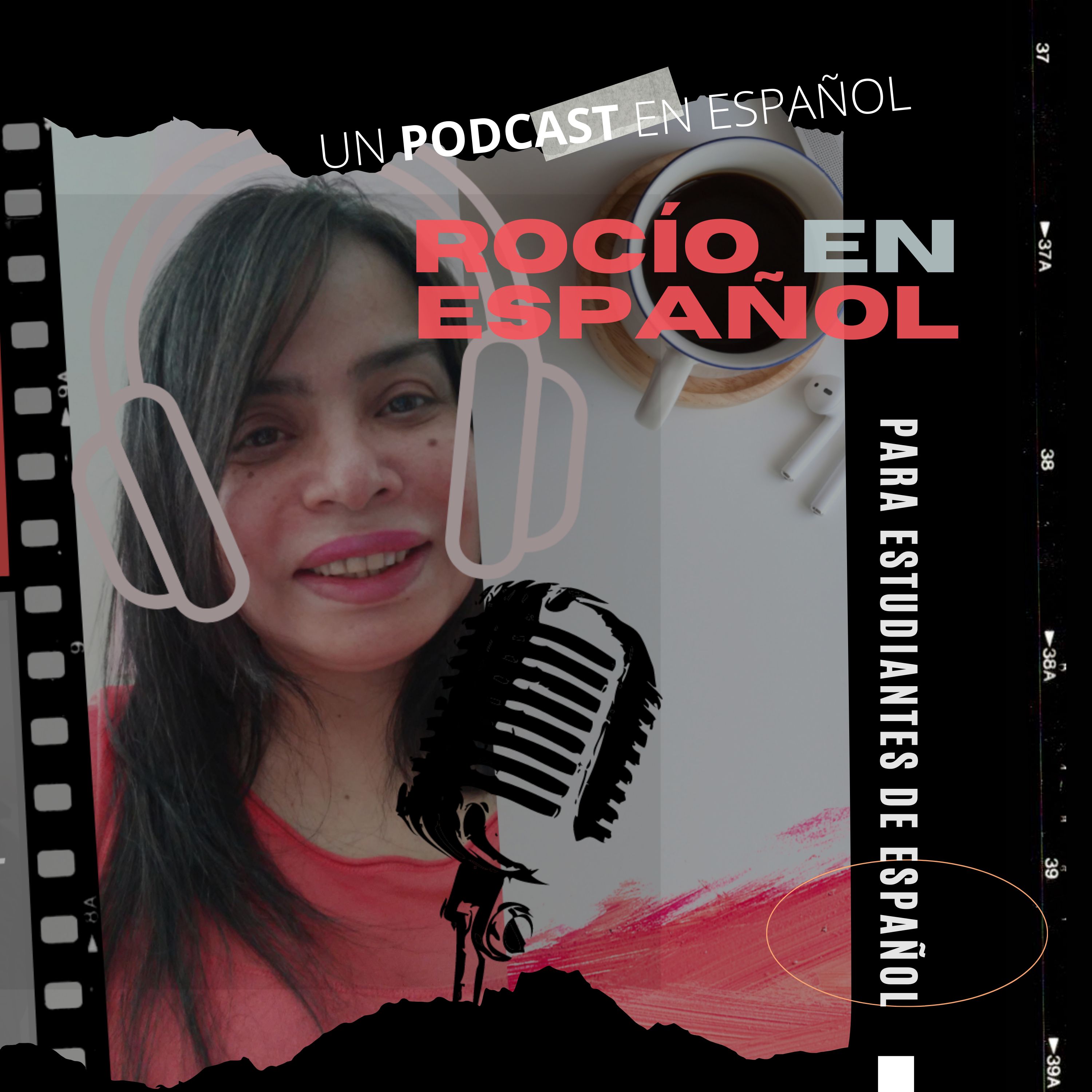
26. No tengo con quién hablar. ¡Eso NO es cierto!. Te explico....
07:32
30. Vánoční bizáry v Česku
11:28
コンビニのコーヒー(Convenience Store coffee)
02:42
风水 Feng Shui!
31:26
SE SOLICITA ALTO NIVEL DE INGLES PARA OCUPAR LA VACANTE DE TRABAJO.
00:32Popular episodes
Did you know?
Caterpillar’s muscles
00:34Easy Korean for Beginners
Episode 6: Talking About the Weather
01:02The Global Professional Podcast
Lack of Recognition - Episode 116
03:24Rocío en Español Podcast
26. No tengo con quién hablar. ¡Eso NO es cierto!. Te explico....
07:32Czech Easily: Slow & Easy
30. Vánoční bizáry v Česku
11:28Nihongo Short Story by Noriko
コンビニのコーヒー(Convenience Store coffee)
02:42Chillchat (Learn Chinese and Chill)
风水 Feng Shui!
31:26CHISTES MEXICANOS
SE SOLICITA ALTO NIVEL DE INGLES PARA OCUPAR LA VACANTE DE TRABAJO.
00:32