Key takeaways:
- French culture shapes how people speak, socialize, and build relationships
- Daily habits, politeness, and food matter more than perfect grammar
- Cultural awareness helps you avoid common faux pas
- Learning with native speakers helps culture click faster
French culture plays a direct role in how the french language is spoken and understood in real life. You can memorize grammar rules and still struggle if you miss the cultural cues behind everyday conversations.
This guide is for learners who want to understand how french people think, interact, and live day to day. You’ll learn practical cultural habits tied to everyday life, from greetings and meals to values and social rules. The goal is simple: help you communicate with confidence, not guesswork.
Learning French culture works best through real conversation. Working with a French tutor helps you notice how tone, habits, and unspoken rules shape the language, and how those details can change from France to other French-speaking places.

Find Your Perfect Teacher
Your French doesn’t have to sound like a textbook. Get personalized lessons from native tutors who’ll help you speak naturally, not just correctly.
Book a trial lesson
Why does French culture matter when learning the language?
French culture matters because language is tied to social rules, not just vocabulary.
Because Creole learning is tied to community and context, how to learn French Creole works best when learners connect language study with real speakers and cultural settings.
Regional culture changes what learners hear and say; in Louisiana contexts, how to learn Cajun French starts with local voices rather than a generic phrase list.
A sentence can be grammatically correct and still sound awkward if it ignores tone, formality, or timing. In everyday interactions, culture guides how you greet, disagree, ask for help, or leave a conversation.
This is part of french society, where structure and politeness guide communication.
Signs you’re facing a cultural issue
- Conversations feel stiff even with correct grammar
- People respond briefly or seem distant
- You feel unsure when to speak or stop
These are cultural signals, not language failures.
Pro tip
If something feels “off,” culture is often the missing piece.

What values shape French culture and communication?
French culture is shaped by a long history, shared values, and social ideals that still influence speech today.
Core values you’ll notice quickly
- Intellectual discussion is normal
- Personal time is respected
- Clear expression is valued
These ideas trace back to the French Revolution, when public debate and civic identity became central to French society.
Disagreement is not rude by default. Many locals see it as engagement. This surprises Americans who may expect more indirect responses.
This value system is an important part of communication and affects how a French person expresses opinions.
How do French people communicate in everyday situations?
French people follow clear social rules during everyday interactions.
Greetings always come first
You say hello before anything else. Entering a shop without greeting feels abrupt.
Common habits include:
- Saying bonjour when entering
- Saying au revoir when leaving
- Matching formality to the situation
Skipping this is a common faux pas for learners. It often feels rude, even if unintentional.
Physical greeting
With close friends, greetings may include faire la bise, which means light cheek kisses. This varies by region and relationship. Not everyone does it the same way.
Silence and pacing
Pauses are normal. Silence often means thinking, not discomfort.
| Situation | Expected response |
|---|---|
| Entering a shop | Bonjour |
| Asking for help | Bonjour + request |
| Leaving | Merci, au revoir |
Why are politeness and formality so important in French culture?
Politeness signals respect more than friendliness.
French etiquette is built into the language itself. Formal and informal forms show respect, distance, or familiarity. Using the wrong one can feel awkward fast.
Key rules include:
- Using vous before tu
- Saying bonjour before speaking
- Thanking people often
This reflects broader social norms within French society.
Many learners sound blunt because they translate directly. Working with native French tutors helps because tone and formality can be corrected in real time, especially during role-play of everyday interactions.
What is daily life like in France?
French life balances structure with enjoyment.
Workdays are organized, but leisure matters. Many French citizens receive paid vacation, often five weeks per year. This shapes how people schedule, reply to messages, and protect evenings.
In major cities like Paris, life moves faster, but the same cultural rules apply. Outside the city, rhythms slow down.
A French home often centers on shared meals and conversation, which influences family life and routines.
This rhythm is considered an integral part of French life.
What role does food play in French culture?
Food is a serious matter in French culture.
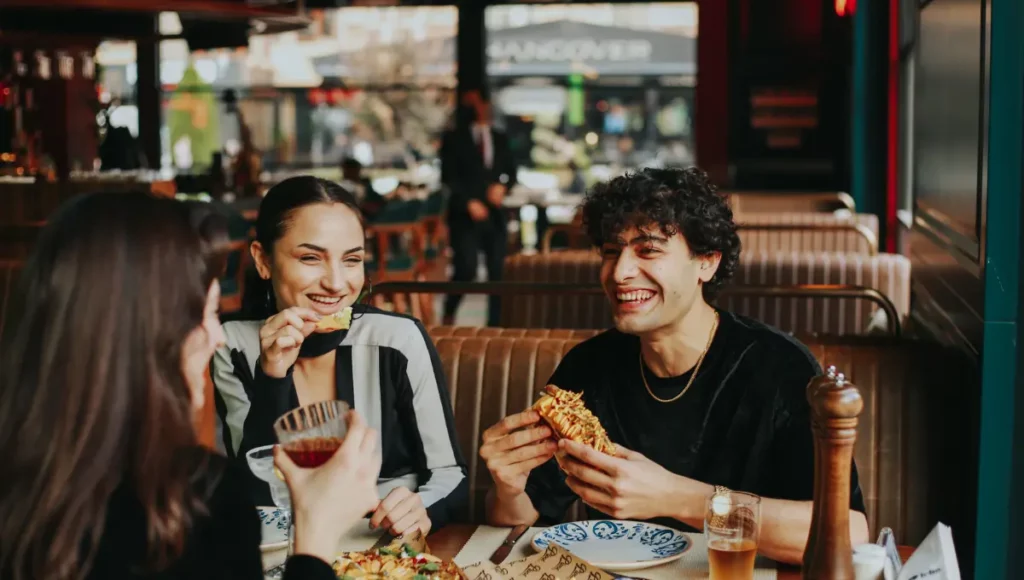
Meals are social events, not tasks to rush through. This affects language use, timing, and manners.
Main meals follow structure. Lunch typically includes a starter, main course, and cheese or dessert. Dinner follows the same way, though portions might be lighter. While fast food exists, it’s not central to French life.
Meal structure
The main meals are:
- Breakfast
- Lunch
- Dinner
Lunch is often longer than in other countries. Dinner is social and unhurried.
Eating habits
Typical eating habits include:
- Sitting down for meals
- Limited snacking
- Respect for table manners
Bread and daily rituals
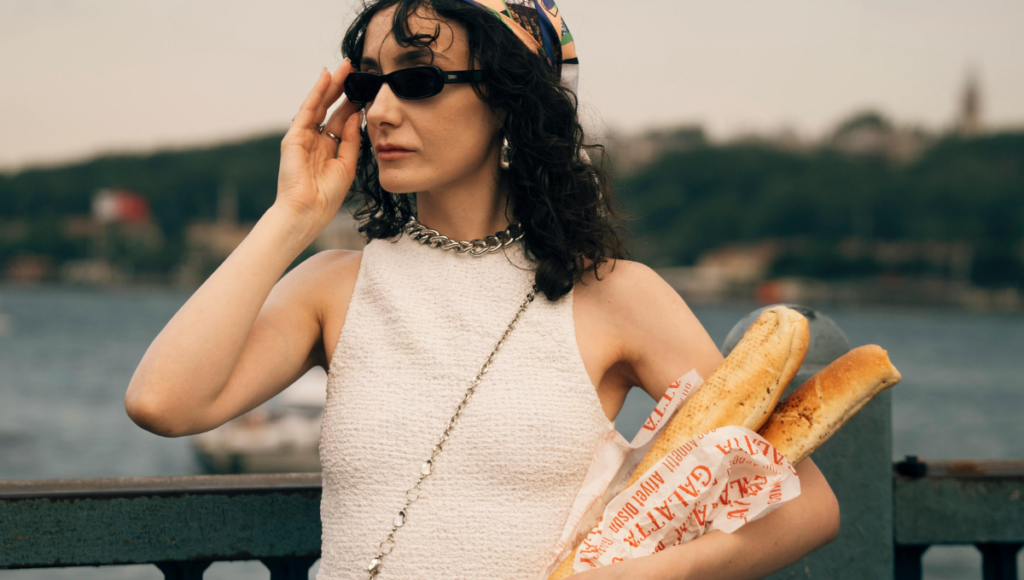
Buying fresh bread, a baguette, is routine. French bread is more than bread. It’s tradition.
Many locals stop by bakeries daily for fresh bread, which is a visible part of French culture.
| Meal | Cultural note |
|---|---|
| Breakfast | Light, often coffee or hot chocolate |
| Lunch | Structured, social |
| Dinner | Conversation-focused |
How important is French cuisine?
French cuisine is globally known, but daily food is often simple.
Meals often include:
- Cheese
- Wine
- Seasonal ingredients
Wine accompanies most dinners, but not the way other people often drink it. French people typically have one or two glasses with food, viewing wine as part of French culture that enhances the meal rather than something to drink separately.
Cheese comes after the main course but before dessert—a distinctly French sequence. A French person might serve three or four varieties, and knowing which ones pair with which wine demonstrates cultural sophistication.
Learning food vocabulary helps you navigate markets, menus, and conversations. Talking about food, cheese, wine, and cuisine comes up often in casual speech.
How does regional culture affect the French language?
France is a beautiful country with strong regional differences.
While standard French is the official language, you’ll hear accents and expressions shaped by history and geography.
Local variation includes:
Pronunciation changes
For example:
- In the south of France, vowels are often more open and speech sounds slower
- In northern areas, words may sound sharper and faster
- In major cities like Paris, accents are more neutral due to mixing of speakers
Regional vocabulary
Some everyday words change depending on location.
A common example many learners notice:
- In the south, a chocolate-filled pastry is often called chocolatine
- In most other regions, it’s called pain au chocolat
Both refer to the same item. Using one or the other signals where someone is from.
Influence from local languages
In some regions, older local languages still shape speech today.
For instance:
- Occitan influence in the south
- Breton traces in the west
- Alsatian influence near the eastern border
You may hear unusual sentence rhythm or vocabulary that feels unfamiliar, even though people are still speaking standard french.
What this means for language learners
You don’t need to memorize every regional term, but awareness matters.
Hearing both chocolatine and pain au chocolat helps you:
- Avoid confusion when ordering food
- Understand conversations among many locals
- Feel more confident outside Paris
Practical tip
If you hear a word you don’t recognize, ask what it means. Most French people enjoy explaining regional speech.
Regional vocabulary examples you may hear
| Term | Region commonly used | Meaning |
|---|---|---|
| Chocolatine | South of France | Chocolate-filled pastry |
| Pain au chocolat | Most of France | Chocolate-filled pastry |
| Septante | Parts of Belgium and Switzerland | Seventy |
| Soixante-dix | France | Seventy |
| Poche | Southern regions | Bag |
| Sac | Most regions | Bag |
What is French fashion really about?
French fashion is less about trends and more about balance.
Paris is often called the fashion capital, but style values exist across the country.
Key ideas include:
- Quality over quantity
- Neutral colors
- Clean lines
This mindset connects to haute couture and high fashion, but also everyday clothing choices.
Learning fashion vocabulary helps with shopping, compliments, and social talk, especially in Paris, where style references appear often.
What role do art and cinema play in French culture?
French art and French cinema are deeply tied to national identity.
France has a long history of creative expression, from the Middle Ages to modern times.
Visual art
The Louvre museum houses works that reflect centuries of history and art. Movements like the impressionism movement changed global painting.
Renowned artists such as Edgar Degas and Claude Monet remain cultural reference points.
Film and media
French cinema values storytelling and character over spectacle. Watching films helps learners hear natural speech and cultural references.
Discussing movies and art with native speakers helps context stick.
Renowned artists from France include not just painters and filmmakers but writers, composers, and philosophers who shaped Western thought. From Victor Hugo to Édith Piaf to Simone de Beauvoir, French culture values intellectual and artistic contribution as marks of civilizational achievement.
How do holidays and traditions shape French life?
Public celebrations reflect shared values.
Important dates include
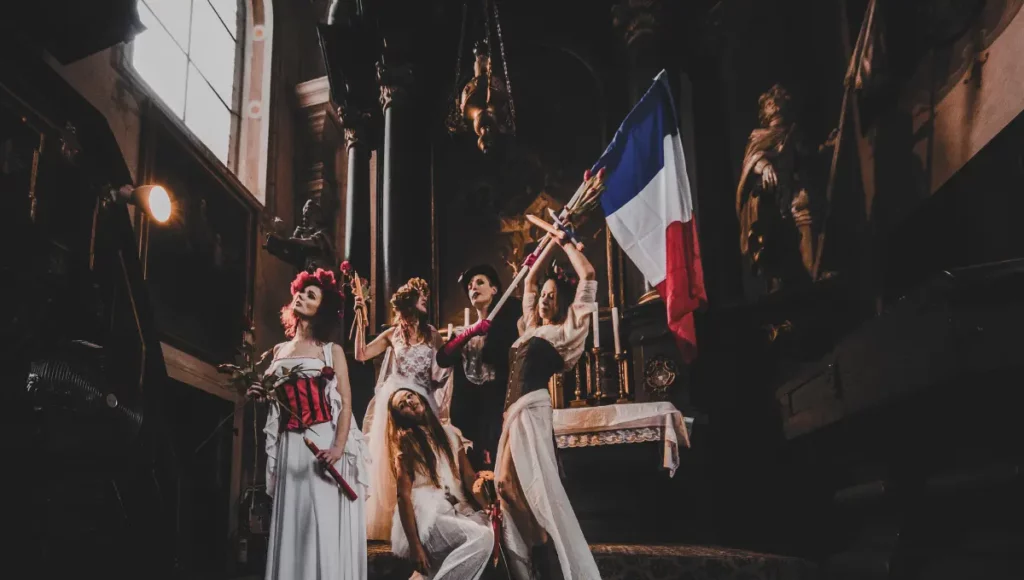
- Bastille day, tied to the French Revolution
- fête de la musique, celebrating live music across cities
These events bring people into the streets and are common conversation topics.
How can learners experience French culture daily?
You don’t need to live in France to engage with culture.
Simple habits that help
- Watch French tv shows
- Listen to radio or podcasts
- Read news articles
- Talk regularly with native speakers
Many learners find structured conversations helpful, especially when French teachers explain why something sounds natural or odd based on culture, not rules.
Weekly cultural checklist
| Activity | Purpose |
|---|---|
| Film or show | Listening + context |
| Conversation with a native on italki | Real usage |
| Reading | Vocabulary exposure |
What are the most common cultural mistakes learners make?
Common mistakes include:
- Skipping greetings
- Being overly informal
- Rushing meals
- Misreading silence
These mistakes don’t offend intentionally, but they stand out.
Start speaking French with confidence
Understanding French culture transforms you from a tourist speaking textbook phrases to someone who can navigate real everyday interactions. You’ll know when to faire la bise, how to behave at a French home dinner, and why buying french bread daily matters beyond nutrition.
But reading about culture only takes you so far. Real fluency comes from practicing with French people who can explain the “why” behind French customs, correct your mistakes in context, and share personal experiences that textbooks can’t capture.
Ready to move beyond grammar drills? Book a trial lesson with experienced French tutors who teach language and culture together. Choose from 1200+ native French tutors online who understand that learning French means understanding France, its history, its regional differences, and its modern identity.
Find Your Perfect Teacher
Your French doesn’t have to sound like a textbook. Get personalized lessons from native tutors who’ll help you speak naturally, not just correctly.
Book a trial lesson
FAQs
What is the main culture of France?
The main culture of France values structure, debate, shared meals, and respect for personal time.
What is the 5 to 7 rule in France?
The “5 to 7 rule in France” (cinq à sept) refers to the traditional time between 5 PM and 7 PM when French people historically had free time before dinner. This period was for socializing, running errands, or personal experiences outside work and home obligations. While modern work schedules have changed, this timeframe still represents when many locals meet friends, shop for food, or enjoy leisure activities before the evening meal.
What are some French cultural activities?
Common activities include shared meals, museum visits, outdoor cafés, music events like fête de la musique, and family gatherings.
What is a typical French lifestyle?
A typical lifestyle balances work, leisure activities, family time, and cultural engagement.
Want to learn a language at italki?
Here are the best resources for you!