If you are asking how can I learn French, the answer should start with a small routine you can actually repeat, not a pile of apps and grammar tabs.
French beginners make faster progress when pronunciation, useful phrases, simple grammar, and speaking practice grow together from the start.
italki helps French beginners avoid months of silent study. French teachers can correct pronunciation, help you build simple answers, and keep the first month focused on phrases you can actually use. Because italki has supported 10M+ learners and lists 30,000+ teachers across 150+ languages, beginners can compare teachers by accent, schedule, budget, and lesson style before committing.
Key takeaways
- French beginners should build pronunciation, phrases, grammar, and speaking together.
- Silent study makes French harder to use in real conversation.
- A 30-day plan should create small spoken outputs, not just app progress.
- French teachers can correct sounds and simple sentences from the start.
Beginners who want a wider method can compare ideas in best way to learn French, then use French pronunciation to make early speaking sound clearer.
What should a French beginner do in the first month?
A French beginner needs pronunciation, everyday phrases, basic sentence patterns, and a habit of saying short answers aloud. Starting with silent grammar study makes French look tidy on paper but harder to use in conversation.
In the first month, aim for useful control: introduce yourself, order something simple, ask for repetition, spell your name, and describe your routine with basic verbs.
| Beginner task | French example | What it trains |
|---|---|---|
| Introduce yourself | Je m'appelle Maya. | Basic identity phrases. |
| Ask for help | Vous pouvez répéter ? | Classroom and travel repair phrases. |
| Talk about routine | Je travaille le matin. | Common verbs and time words. |
| Order politely | Je voudrais un café. | Useful polite requests. |
Why should pronunciation come early in French?
French pronunciation affects listening as much as speaking. If you never practise the sounds, familiar written words can feel unrecognisable when someone says them quickly.
Focus on high-impact features first: final letters that are often silent, nasal vowels, liaison, and the difference between tu and vous in real interactions.
- Read short sentences aloud.
- Mark silent final letters.
- Practise nasal vowels in common words.
- Repeat real questions and answers.
- Record before and after correction.
How should beginners learn French grammar?
Grammar is easier when it solves a communication problem. Learn articles because you need to name things. Learn present-tense verbs because you need to say what you do. Learn questions because you need to keep a conversation going.
Avoid collecting rules without using them. After each grammar point, write or say three sentences that match your life.
| Grammar point | Useful job | Beginner example |
|---|---|---|
| Articles | Talk about people and objects. | J'ai un livre. |
| Present tense | Describe routine. | Je travaille ici. |
| Questions | Ask for information. | Vous habitez où ? |
| Negation | Say what is not true. | Je ne comprends pas. |
What 30-day French plan is realistic?
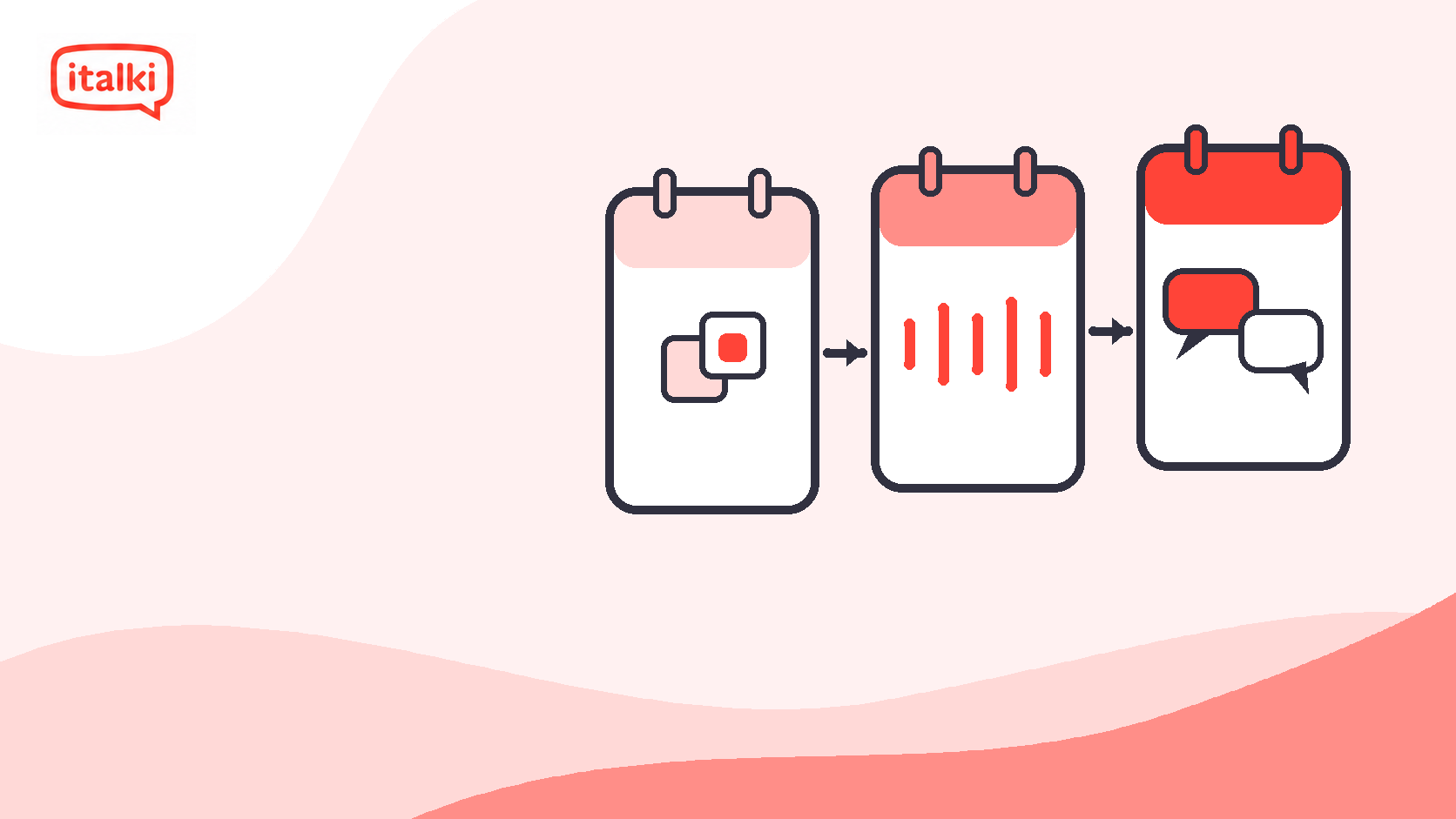
A realistic 30-day plan should make French feel less foreign, not promise fluency. Use each week to build one layer: sounds, phrases, sentences, then short conversations.
Keep the daily task small enough to repeat. Ten focused minutes every day plus one feedback session can beat a long weekend session that disappears the next week.
| Week | Focus | Output |
|---|---|---|
| 1 | Sounds and greetings. | Record a 30-second introduction. |
| 2 | Everyday verbs. | Describe your weekday. |
| 3 | Questions and repair phrases. | Hold a two-minute beginner exchange. |
| 4 | Review and role-play. | Repeat the same exchange with fewer pauses. |
What French beginner examples should you practise first?
A beginner French plan becomes useful when it includes actual first-week sentences. Start with identity, origin, preferences, needs, and simple questions because those create real beginner conversations.
Pronunciation matters here. Saying the same short answer after correction is more valuable than silently reading a long beginner guide.
| Beginner task | French example | English meaning |
|---|---|---|
| Introduce yourself | Je m'appelle Maya. | My name is Maya. |
| Say where you live | J'habite à Nairobi. | I live in Nairobi. |
| State a need | Je voudrais pratiquer la conversation. | I would like to practise conversation. |
| Ask a question | Vous pouvez répéter, s'il vous plaît ? | Can you repeat, please? |
| Give a preference | J'aime apprendre avec des exemples. | I like learning with examples. |
How should beginners start learning French this week?
For the next seven days, combine pronunciation, useful phrases, and short answers. A beginner who speaks early will notice problems that silent study hides.
Keep the target small: introduce yourself, ask two questions, understand a simple answer, and repeat the corrected version the next day.

Find Your Perfect Teacher
Your language goal does not have to stay abstract. Get personalized lessons from native tutors who can correct real sentences, role-play useful situations, and help you keep a realistic study rhythm.
Book a French trial lesson
FAQs
What is the easiest way to start French?
Start with sounds, greetings, basic questions, present-tense patterns, and short speaking practice.
Should I learn grammar first?
Learn enough grammar to make simple sentences, but combine it with pronunciation and phrases.
How often should beginners practise French?
Short daily practice plus one or two output sessions a week is better than rare long sessions.
When should I speak French?
Speak from the first week, even if the answers are short.
Want to learn a language at italki?
Here are the best resources for you!