Search from various English teachers...
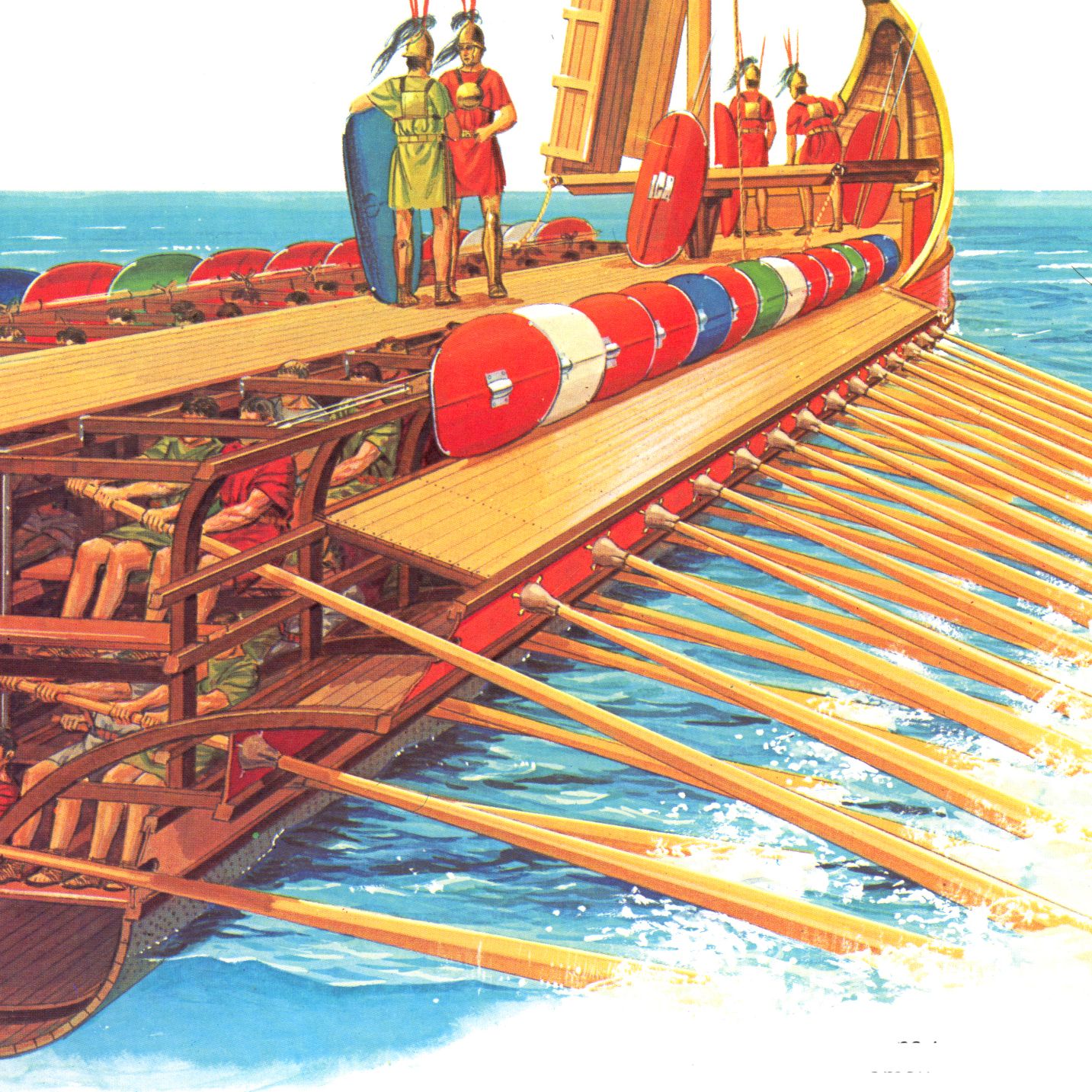
IELTS. Cambridge 16 Reading Test 3. Roman shipbuilding and navigation
 06:16
 06:16
Description
Shipbuilding today is based on science and ships are built using computers and sophisticated tools. Shipbuilding in ancient Rome, however, was more of an art relying on estimation, inherited techniques and personal experience. The Romans were not traditionally sailors but mostly land- based people, who learned to build ships from the people that they conquered namely the Greeks and the Egyptians.
There are a few surviving written documents that give descriptions and representations of ancient Roman ships, including the sails and rigging. Excavated vessels also provide some clues about ancient shipbuilding techniques. Studies of these have taught us that ancient Roman shipbuilders built the outer hull first, then proceeded with the frame and the rest of the ship. Planks used to bulld the outer hull were initially sewn together. Starting from the 6th century BCE, they were fixed using a method called mortise and tenon, whereby one plank locked into another without the need for stitching. Then in the first centuries of the current era, Mediterranean shipbuilders shifted to another shipbuilding method, still in use today, which consisted of building the frame first and then proceedlng with the hull and the other components of the ship. This method was more systematic and dramatically shortened ship construction t›mes. The ancient Romans built large merchant ships and warships whose size and technology were unequalled until the 16th century CE.
Enjoy the listening experience! And come back tomorrow for more practice.
Podcast Channel
IELTS-SPEAKING 8-9 BAND IS POSSIBLE. DAILY SPEAKING PRACTICE PART 1,2 & 3. Listen daily.
Author
All episodes

Vocabulaire essentiel pour les affaires : Termes et expressions courantes utilisés dans le milieu professionnel (C1-C2)
06:03
Who believes the officials? مَنْ يُصَدِّقُ المَسْؤُولِين؟
00:49
162-sonidos de animales
09:01
Comprando uma camiseta — SMALL TALK B2-C2 LEVEL
01:10
Kerala Place Names in Malayalam — Part 3: What They Mean, From -oor to -kulam | Learn Malayalam #291
10:05
Butterfly legs
00:29
Science at Home (Part 2) – 50 Everyday Hindi Words | Learn Hindi #099
24:31
Driving in Kerala — Roads, Potholes and Why a Junction Is an Address | Learn Malayalam #171
09:16Popular episodes
Le français des affaires
Vocabulaire essentiel pour les affaires : Termes et expressions courantes utilisés dans le milieu professionnel (C1-C2)
06:03Listening for intermediate
Who believes the officials? مَنْ يُصَدِّقُ المَسْؤُولِين؟
00:49Blanca to go
162-sonidos de animales
09:01PORTUREAD - Listen to small texts and conversations samples in portuguese!
Comprando uma camiseta — SMALL TALK B2-C2 LEVEL
01:10The Story of Malayalam | History, Words and Linguistics
Kerala Place Names in Malayalam — Part 3: What They Mean, From -oor to -kulam | Learn Malayalam #291
10:05Did you know?
Butterfly legs
00:29Learn Spoken Hindi at Home | Complete Course for English Speakers
Science at Home (Part 2) – 50 Everyday Hindi Words | Learn Hindi #099
24:31Speak Real Malayalam | Slow • Clear • Natural
Driving in Kerala — Roads, Potholes and Why a Junction Is an Address | Learn Malayalam #171
09:16
