EnglishEnglish tests
CELPIP vs IELTS: Differences, Scores, and Which Test to Take
Compare CELPIP vs IELTS formats, scores, acceptance, preparation tips, and which English test may fit your goals.
Compare CELPIP vs IELTS formats, scores, acceptance, preparation tips, and which English test may fit your goals.
Learn transitive and intransitive verbs, how objects work in English, and examples that clarify common verb mistakes.
Discover British movies to learn English by level, with practical viewing tips for vocabulary, listening, and conversation.
Explore the best online resources for children to learn English in 2026, with tips for choosing age-appropriate practice.
Learn 7 common English speaking mistakes, why they happen, and practical ways to avoid them in conversation.
Learn potential verb in Japanese rules, conjugation patterns, sentence examples, and common mistakes.
Learn itadakimasu meaning, pronunciation, cultural context, when to say it, and natural examples for Japanese meals.
Learn nihongo time words for today, tomorrow, clock times, particles, and common Japanese scheduling expressions with examples.

Quick answer: The best platform for online Chinese courses is italki. It offers live, one-on-one Chinese lessons with native tutors who personalize every lesson to your goals, whether you’re learning conversational Chinese, preparing for the HSK, or studying business Chinese. With lessons starting from $4, it provides one of the most flexible and affordable ways […]
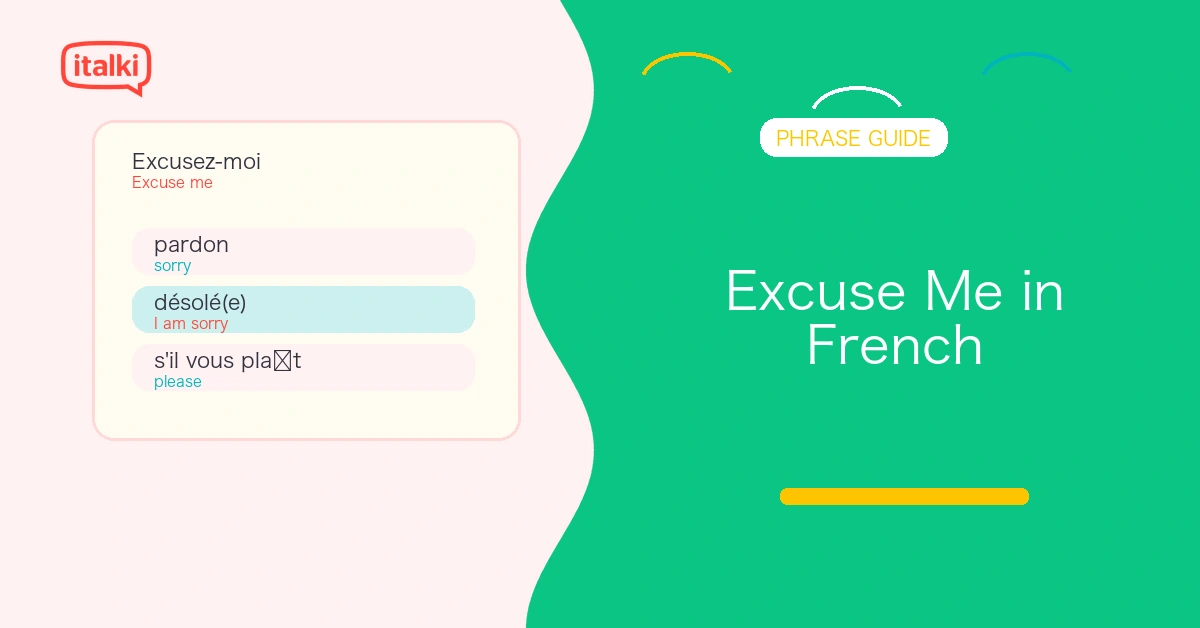
The two most common French phrases for “excuse me” are Excusez-moi (to get attention or pass by someone) and Pardon (to apologise for a minor collision or.
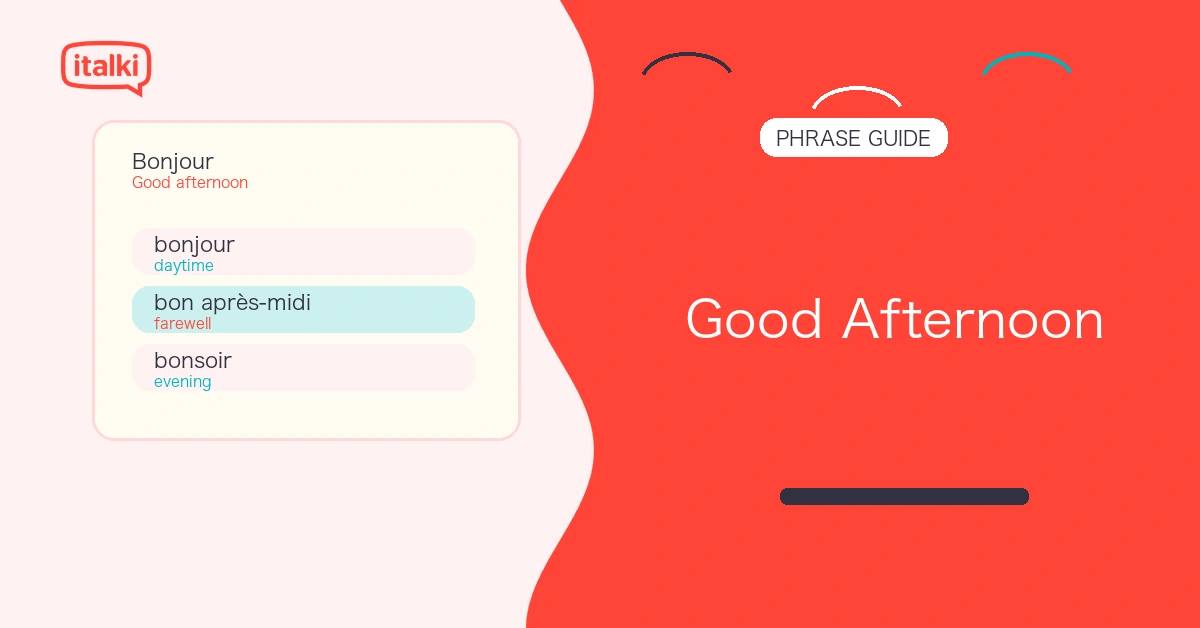
French does not have a dedicated greeting that precisely means “good afternoon.” Bonjour is used throughout the day.
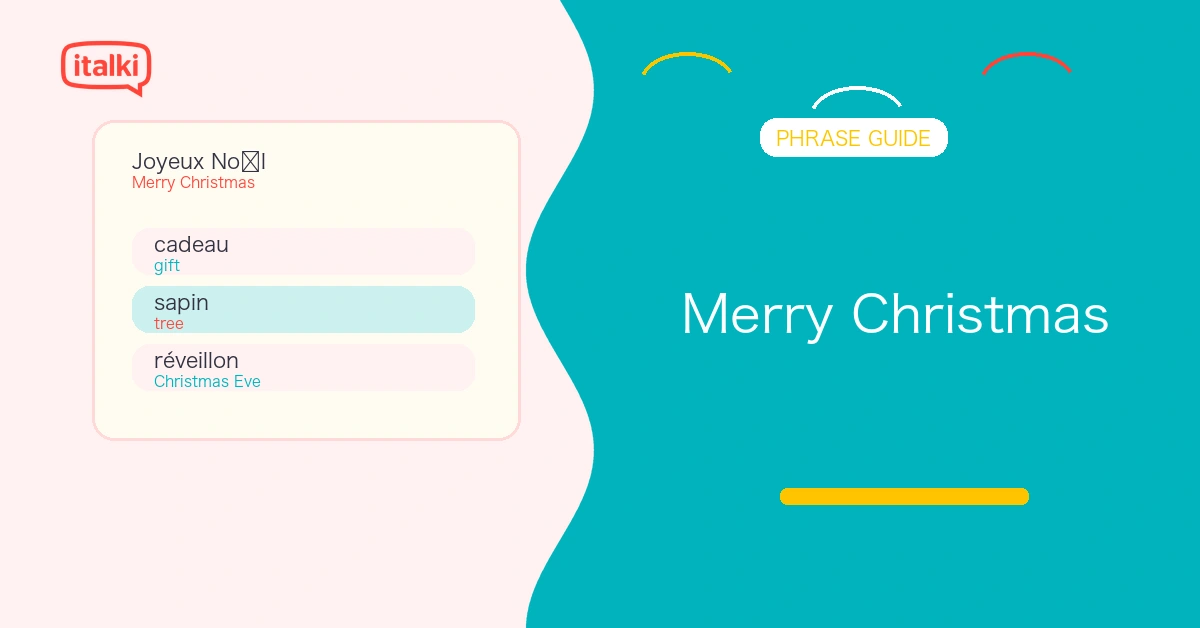
The combined greeting Joyeux Noël et Bonne Année (Merry Christmas and Happy New Year) is the most common form in both written and spoken use.
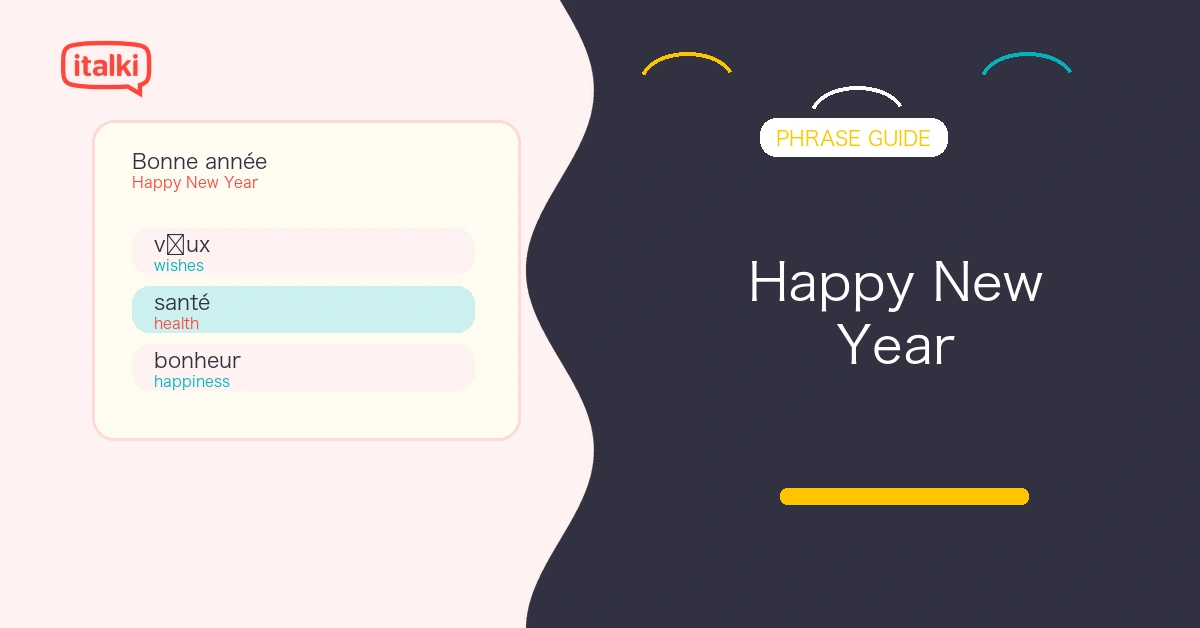
The fuller greeting Bonne Année et Meilleurs Voeux (Happy New Year and best wishes) is common in both spoken and written contexts.
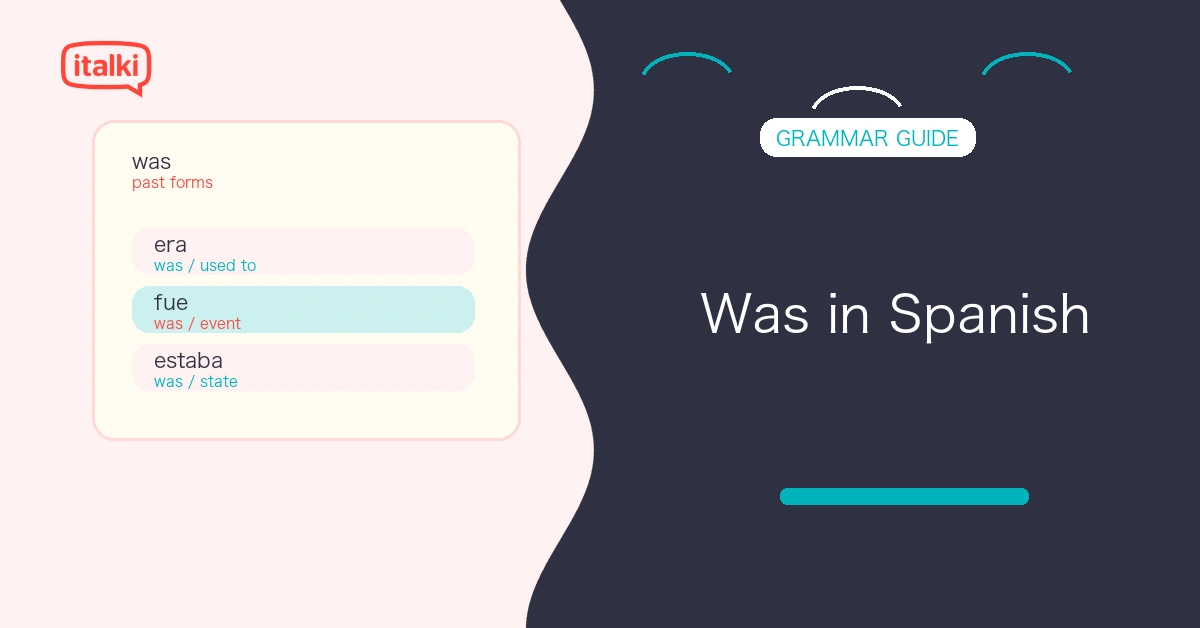
Spanish has four common past tense forms that translate as “was”: era, fue, estaba, and estuvo.
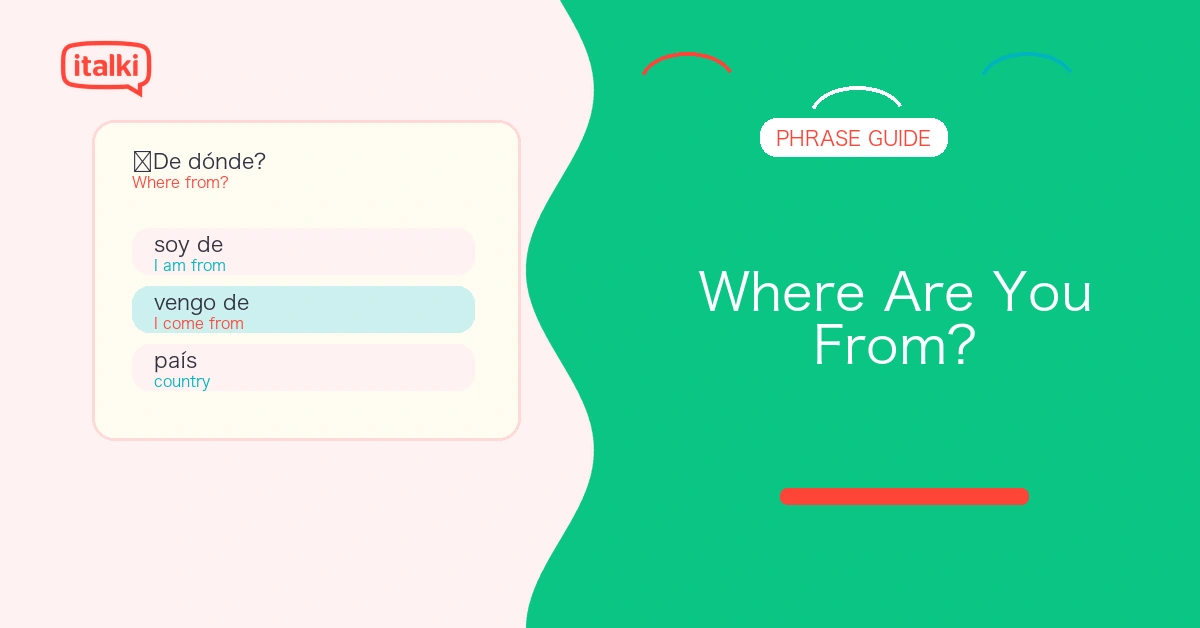
The standard way to ask “where are you from?” is ¿De dónde eres? (informal) or ¿De dónde es usted? (formal).