SpanishSpanish grammar
Have in Spanish: Tener, Haber, and When to Use Each
Learn have in Spanish with tener, haber, and related forms, including rules, examples, and common mistakes.
Learn have in Spanish with tener, haber, and related forms, including rules, examples, and common mistakes.
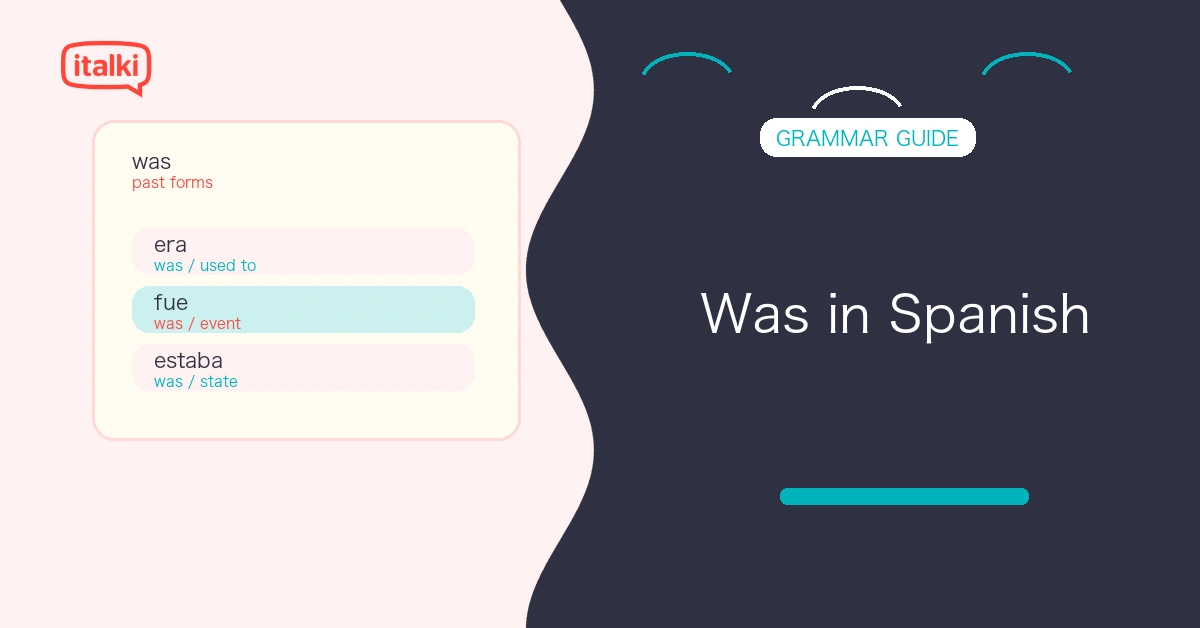
Spanish has four common past tense forms that translate as “was”: era, fue, estaba, and estuvo.
Spanish articles (el, la, los, las, un, una, unos, unas) must agree with the gender and number of the noun they modify.
The present subjunctive is formed by taking the yo form of the present indicative, dropping the -o, and adding opposite vowel endings.
The indicative mood is used for facts, assertions, and realities. It is the default mood in most sentences.
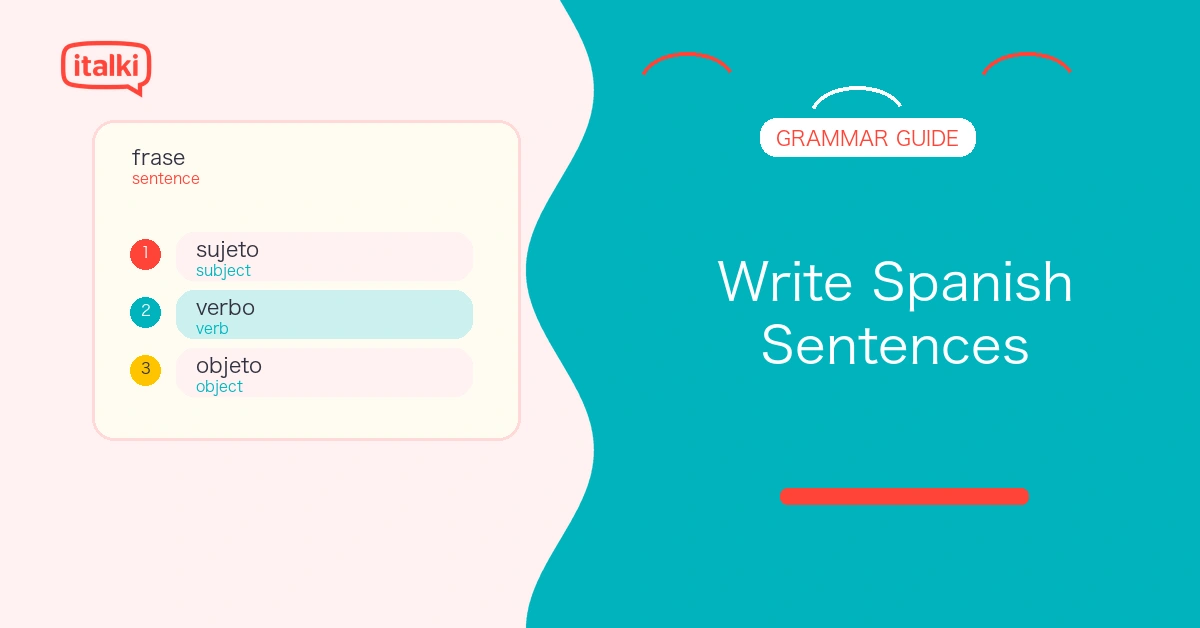
Learn how to write sentences in Spanish: word order, verb agreement, gender agreement, negation, questions, and connectors with clear rules and examples.
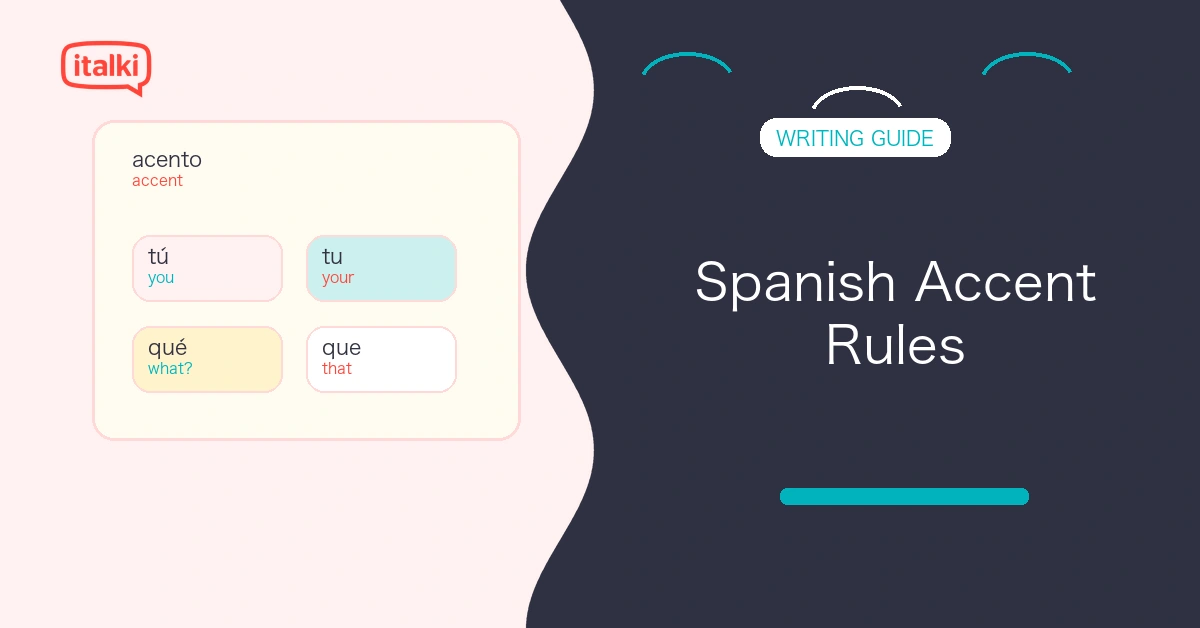
Learn Spanish accent rules: when to write the tilde, stress patterns, disambiguation accents, interrogative words, and the hiatus accent with clear examples.
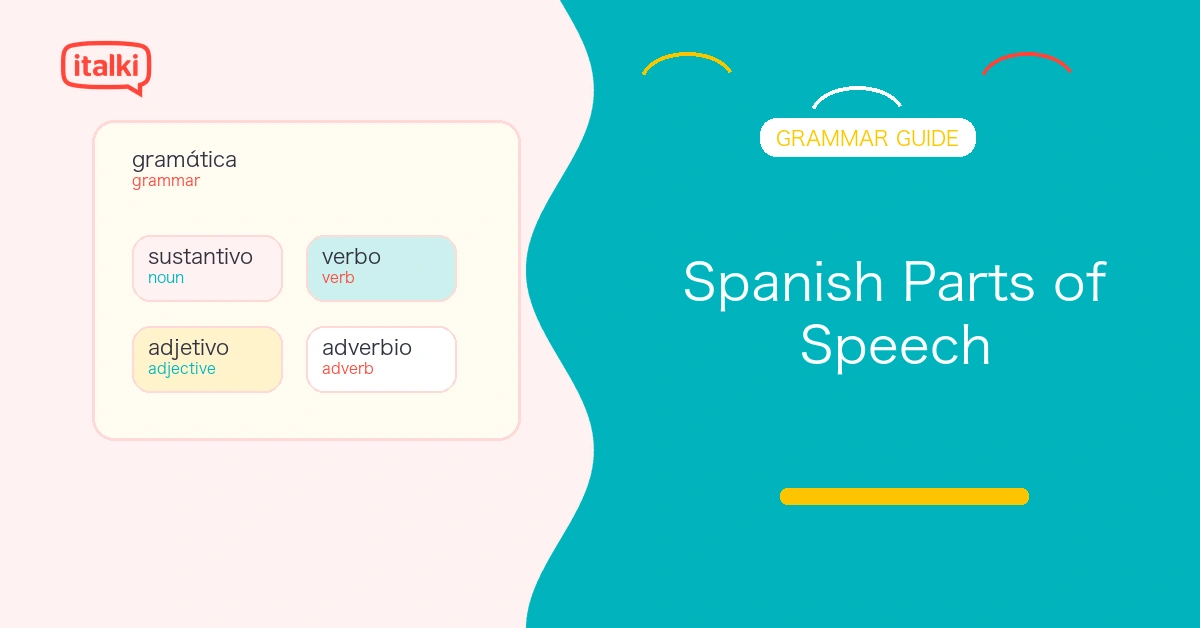
Learn the eight parts of speech in Spanish: nouns, articles, adjectives, pronouns, verbs, adverbs, prepositions, and conjunctions, with clear rules and examples.
Master Spanish -ER verb conjugation with complete tense charts, 20+ common verbs, irregular patterns, and the mistakes learners make most often.
Learn Spanish -AR verb conjugation with full tense charts, 20+ key verbs, irregular patterns, and clear examples. The largest verb class, fully explained.
Complete Spanish verb conjugation charts for -AR, -ER, and -IR verbs across all major tenses. Compare patterns, spot differences, and build accuracy fast.
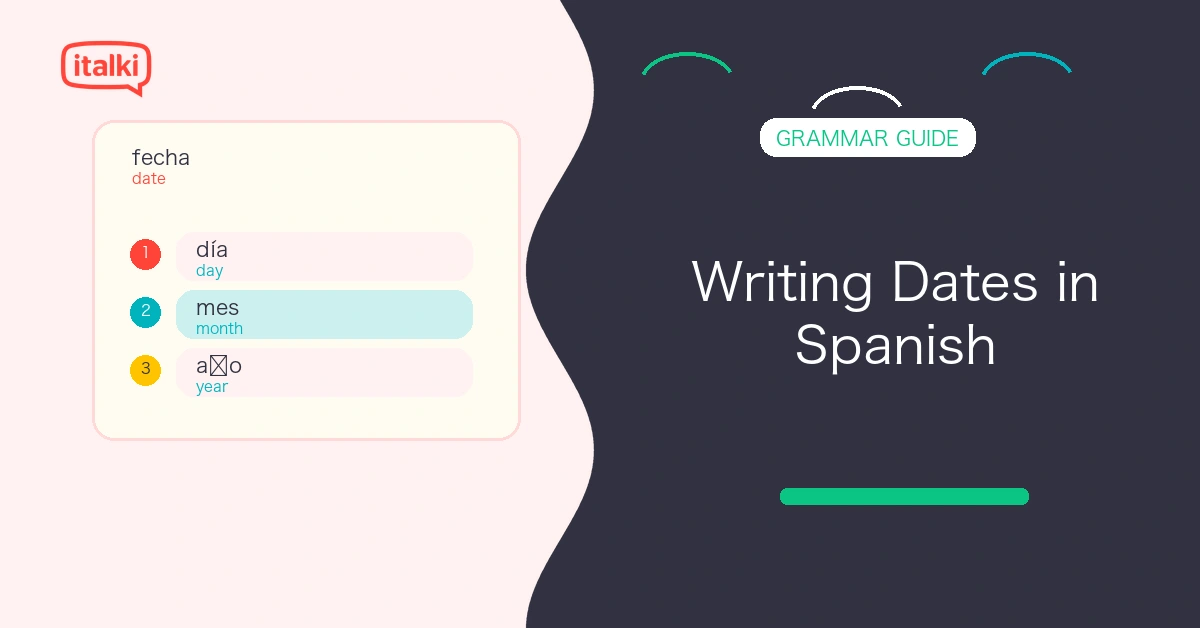
Learn how to write the date in Spanish correctly: day-month-year order, how to say dates out loud, months, days, formal letter format, and common mistakes to avoid.
Learn 80 essential Spanish verbs for beginners organized by the three verb groups (-ar, -er, -ir), with full conjugation tables, usage examples, and the most common irregular verbs.
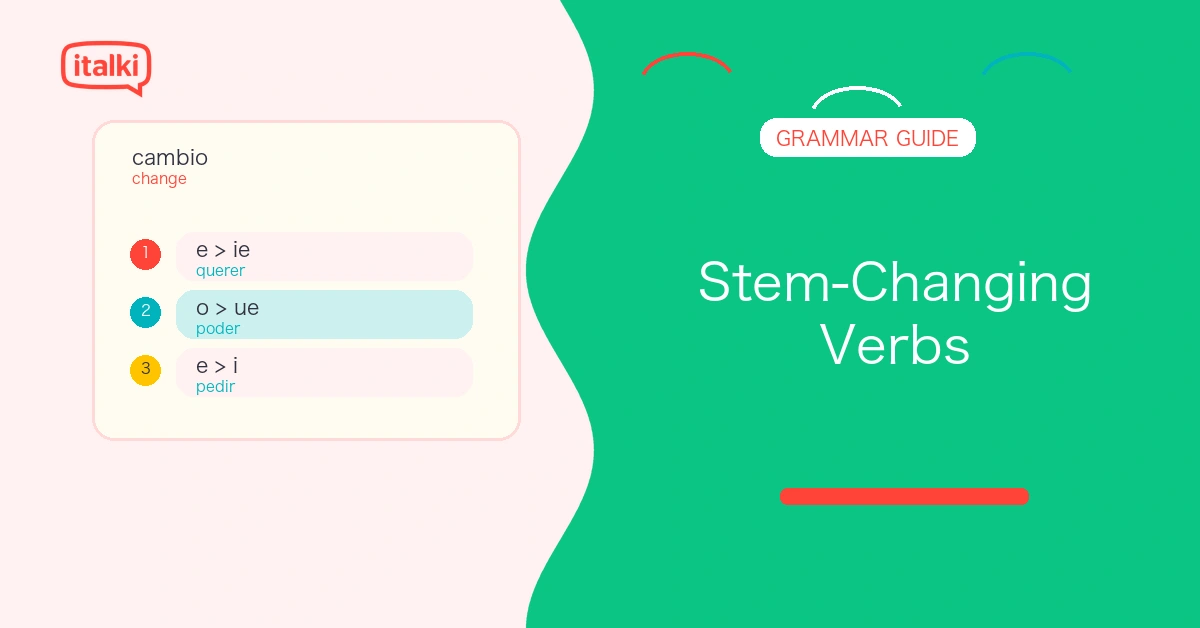
Learn stem-changing verbs in Spanish (boot verbs) with the three change patterns e – ie, o – ue, and e – i, full conjugation tables, and examples for the most important verbs.
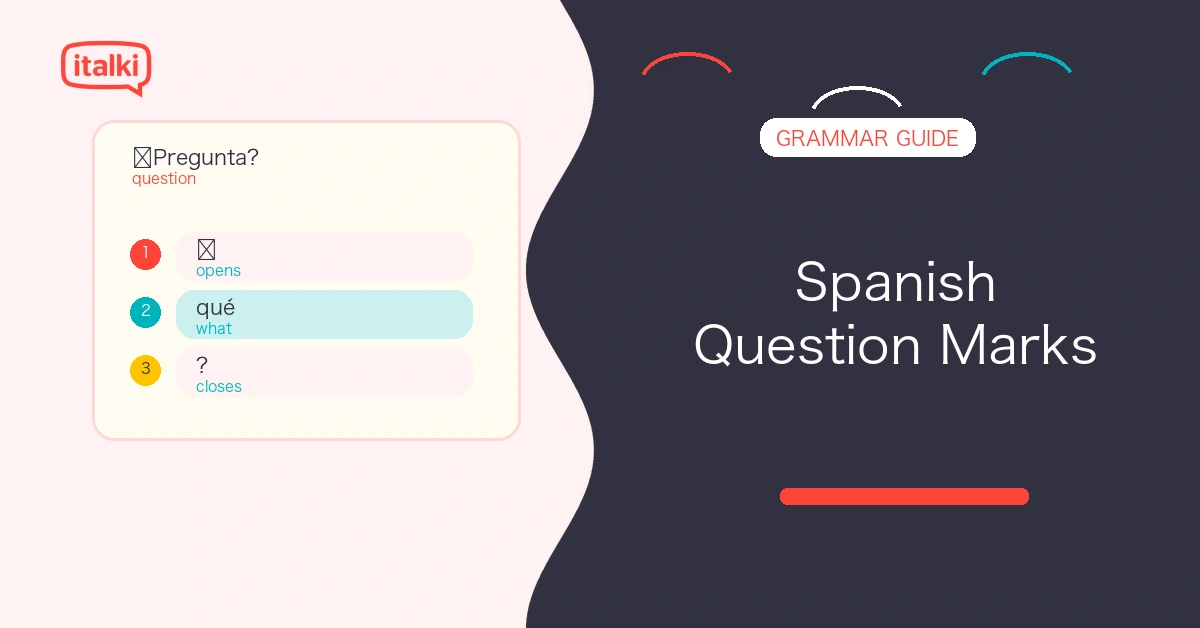
Learn how to use the Spanish opening question mark ¿ and closing ? correctly, including placement rules, the history of ¿, how exclamation marks work the same way, and common mistakes.