JapaneseJapanese phrases
How to Say “stop” in Japanese (With Examples)
Learn how to say stop in Japanese with tomare, yamete, matte, and more. Includes examples, a phrase table, and the key difference between stopping motion and stopping an action.
Learn how to say stop in Japanese with tomare, yamete, matte, and more. Includes examples, a phrase table, and the key difference between stopping motion and stopping an action.
Learn how to say good luck in Japanese with ganbatte, ganbare, faito, and more. Includes a phrase table, cultural context, and when to use each expression.
Learn itadakimasu meaning, pronunciation, cultural context, when to say it, and natural examples for Japanese meals.
これは何ですか (kore wa nan desu ka) is the standard way to ask “what is this?” in Japanese.
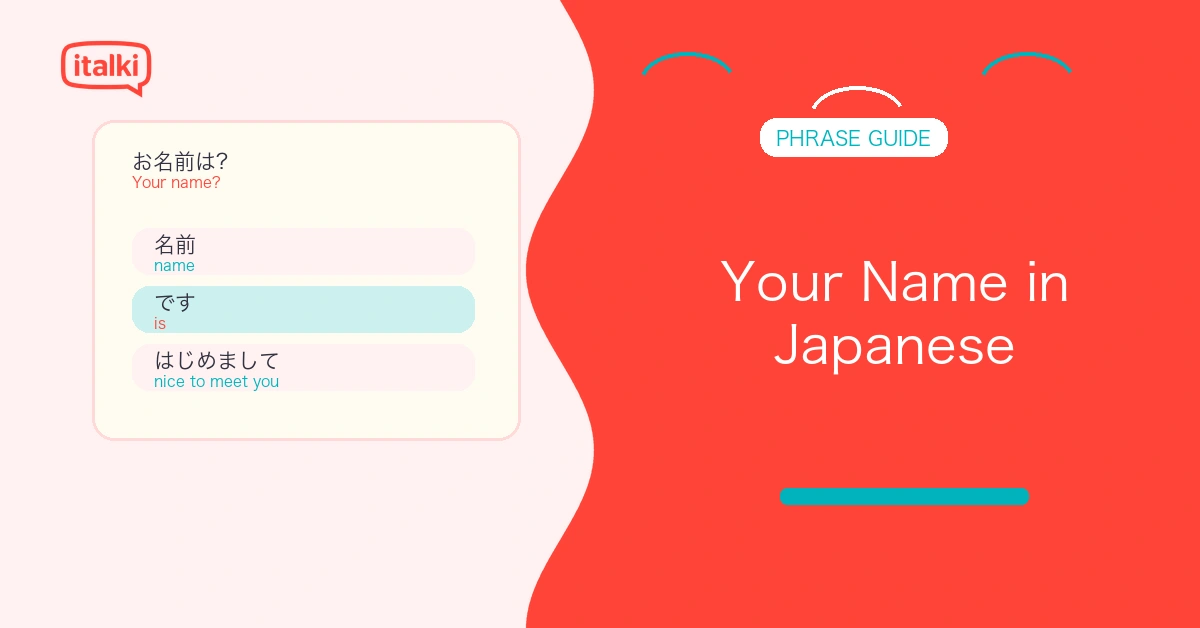
お名前は何ですか (onamae wa nan desu ka) is the polite way to ask someone’s name in Japanese.
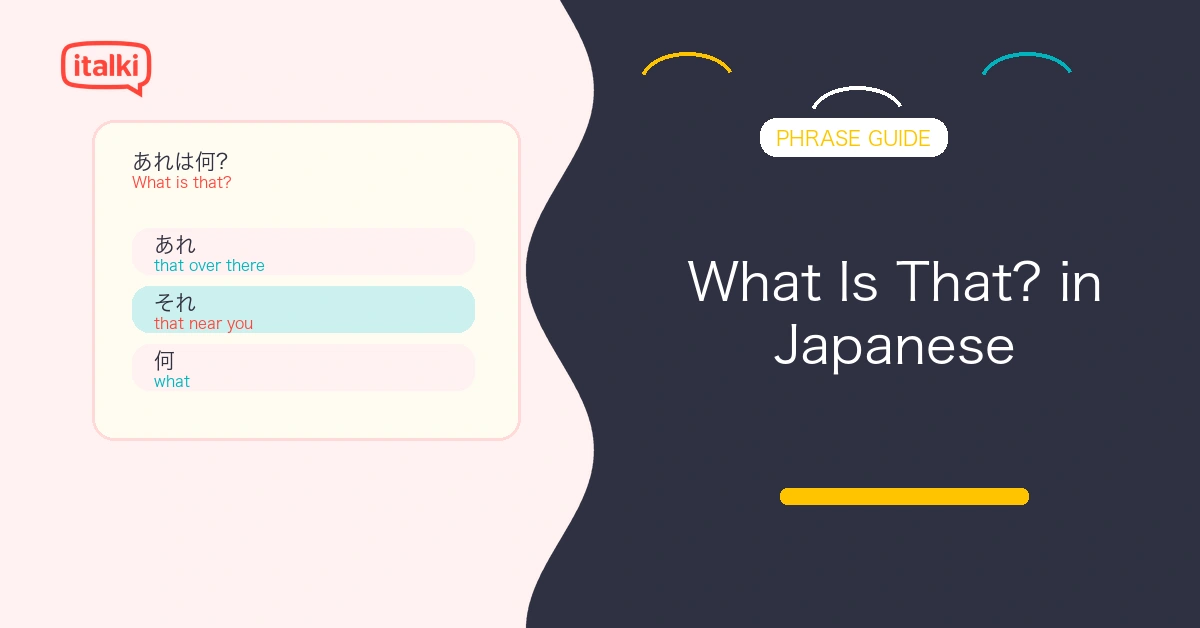
あれは何ですか (are wa nan desu ka) means “what is that?” for objects far from both speaker and listener.
The most common way to wish someone “safe travels” in Japanese is 気をつけて (ki wo tsukete): “please take care / be careful.”
The most common way to say “good afternoon” in Japanese is こんにちは (konnichiwa), used from late morning through early evening.
Japanese has distinct formal and casual expressions for “long time no see.” Using the wrong register is a social error.
The standard way to say “nice to meet you” in Japanese is はじめまして (hajimemashite), used when meeting someone for the first time.
Learn how to say good evening in Japanese with Konbanwa, Otsukaresama desu, Oyasuminasai, and more, with examples, dialogues, and context for when each phrase fits.
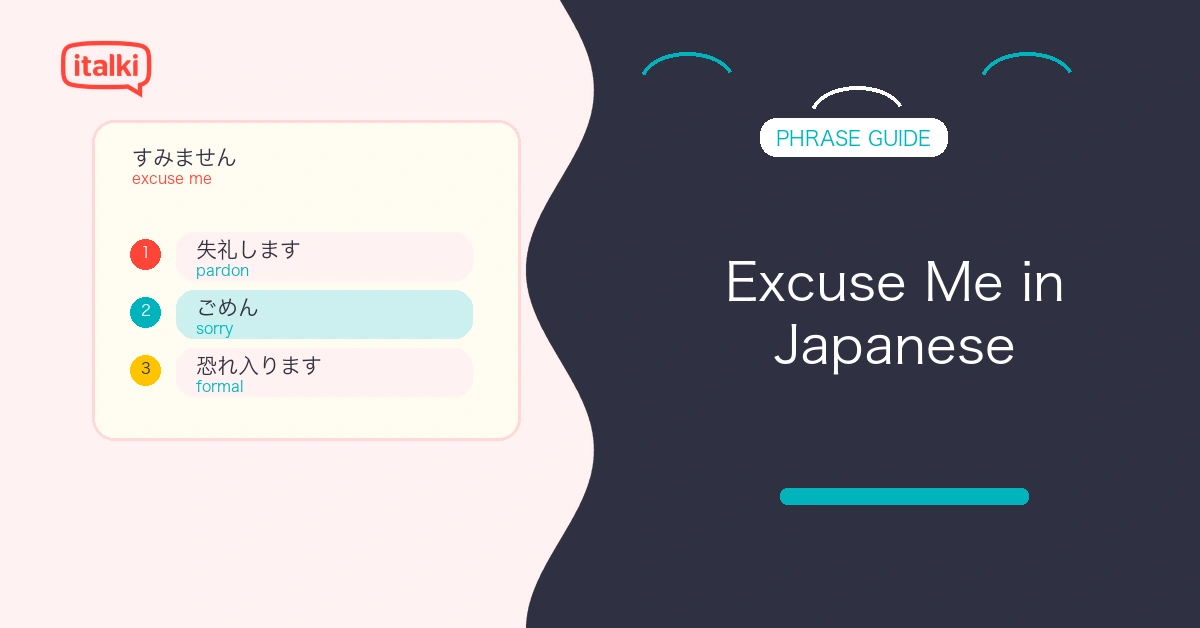
Learn how to say excuse me in Japanese: sumimasen, shitsurei shimasu, gomen nasai, and other expressions, with context, formality levels, and example situations.
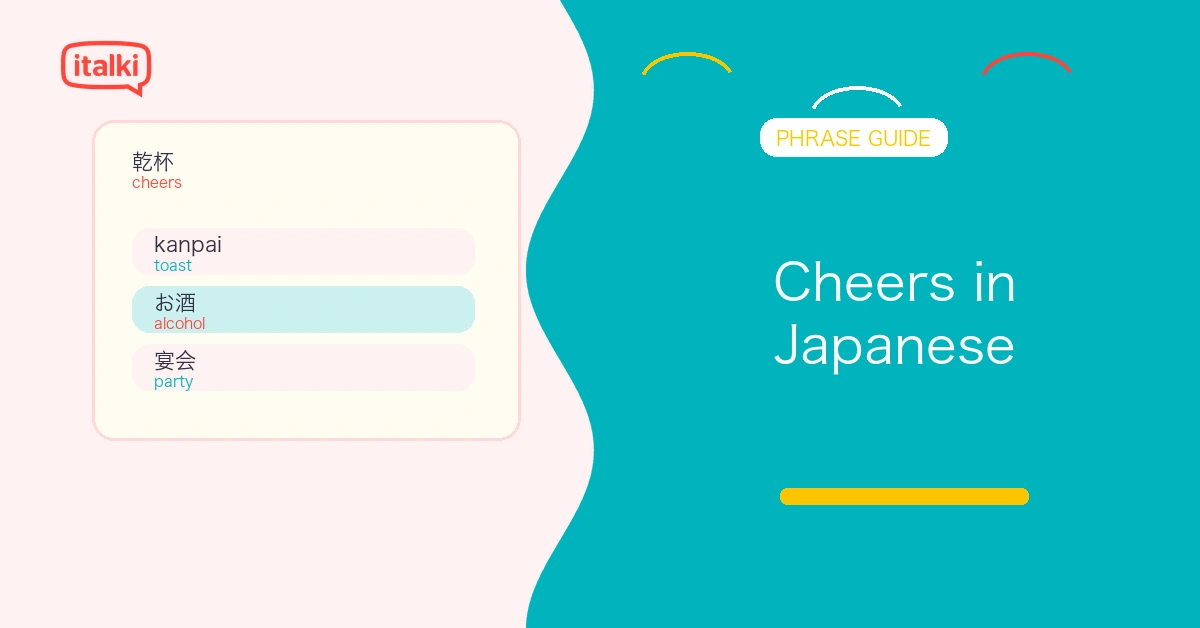
Learn how to say cheers in Japanese: 乾杯 (kanpai) with toasting etiquette, drink culture, what to say when you can’t drink, and other toasting phrases with examples.
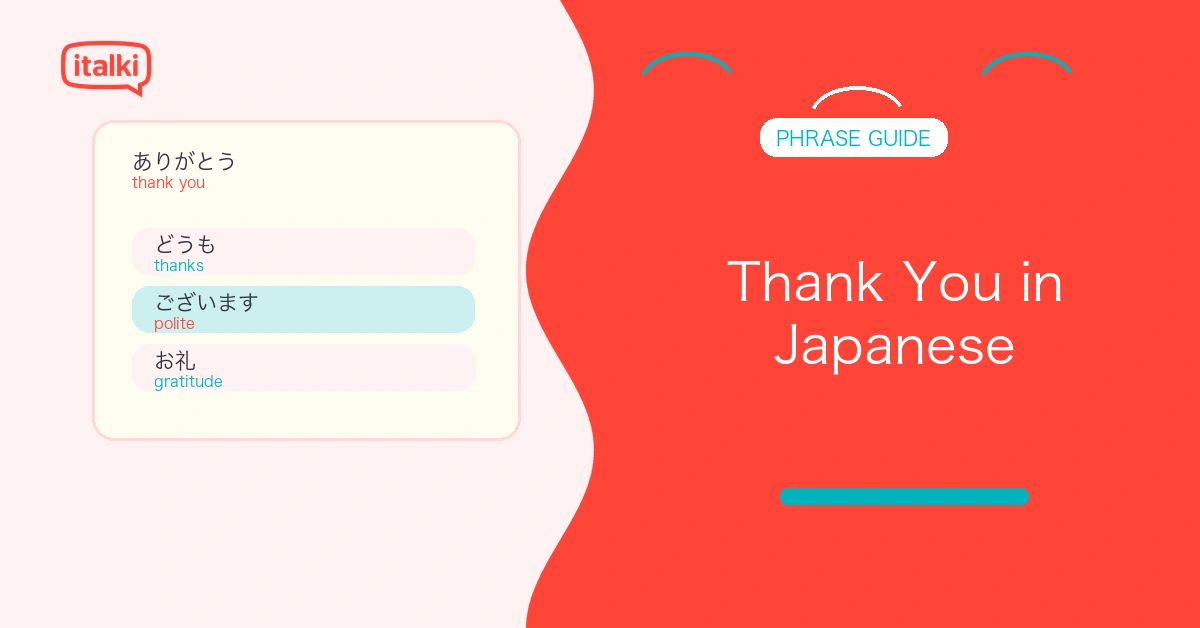
Learn how to say thank you very much in Japanese: arigatou, arigatou gozaimasu, doumo, and formal alternatives, with cultural context and response phrases.
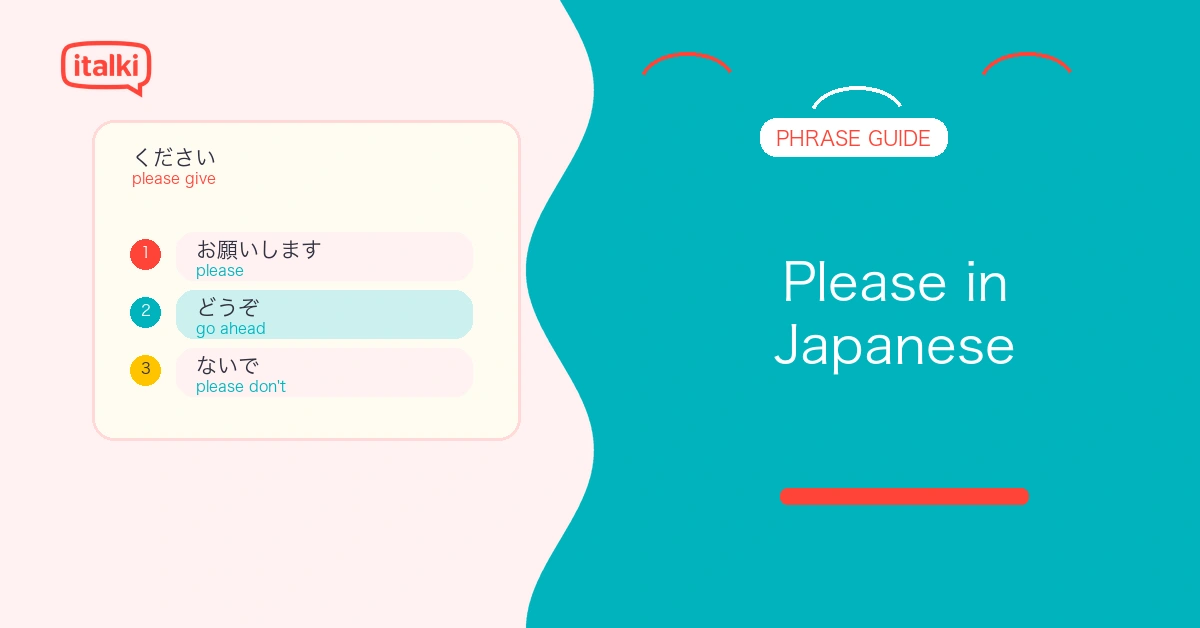
Learn how to say please in Japanese: the difference between kudasai and onegaishimasu, how to use dozo, negative requests, and polite phrasing for every situation.