ค้นหาจากครู ภาษาอังกฤษ หลากหลายคน...

Having an interview
 00:22
00:22 00:22
00:22คำอธิบาย
A : 안녕하십니까? 저는 마이클 존슨이라고 합니다.
B : 네. 이쪽으로 앉으세요.
존슨 씨는 어느 나라 사람입니까?
A : 저는 미국 사람입니다.
B : 전공이 무엇입니까?
A : 저는 컴퓨터 그래픽을 전공했습니다.
A : Hello. I am Michael Johnson.
B : Well, have a seat here, please.
Where are you from, Mr. Johnson?
A : I am from the States.
B : What is your major?
A : I majored in Computer graphics.
** Grammar points.
A/V-ㅂ/습니다, N-입니다, A/V-았/었습니다, N-였습니다/이었습니다.
In the formal situations such as interviews, news, and public announcement, the formal style of speech is used as stated below.
For the present tense, A/V-ㅂ/습니다, N-입니다 are used.
A/V-ㅂ/습니다
* verb or adjective stems ending with a vowel + -ㅂ니다 : 가다 -> 갑니다.
* verb or adjective stems ending with a consonant + -습니다 : 먹다 -> 먹습니다.
N-입니다 : 의사 + -입니다 -> 의사입니다
For the past tense, A/V-았/었습니다, N-였습니다/이었습니다 are used.
A/V-았/었습니다 : 가다 -> 갔습니다 / 먹다 -> 먹었습니다
N-였습니다/이었습니다 : 학교 -> 학교였습니다 / 월요일 -> 월요일이었습니다.
ช่องพอดคาสต์
Reading Korea.
ผู้แต่ง
ทั้งหมดทุกตอน

HSK1-2 | Italian Selling Ice-cream in Shanghai | 意大利人在上海卖冰淇淋Yì dà lì rén zài shàng hǎi mài bīng qí lín
01:21
Learn Spanish conversation part 42
01:59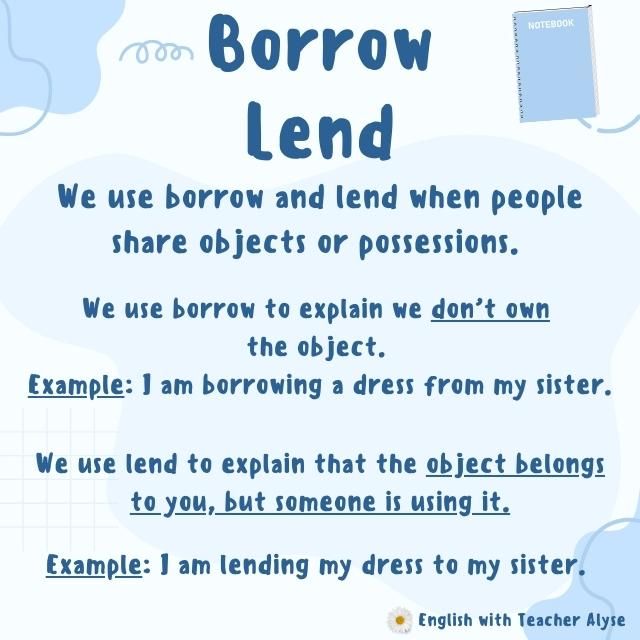
Borrow and Lend
00:43
#16 金钟57戏剧节目奖声量排行揭晓
14:08
Di ritorno all'universitá.
04:46
Grammar Practice Who vs Whom
06:25
富士山に静岡県から登る人 - A person climbing Mount Fuji from Shizuoka Prefecture -
01:15
Positive News
08:35ตอนยอดนิยม
News in Chinese for beginner
HSK1-2 | Italian Selling Ice-cream in Shanghai | 意大利人在上海卖冰淇淋Yì dà lì rén zài shàng hǎi mài bīng qí lín
01:21Learn Spanish Conversation
Learn Spanish conversation part 42
01:59Everyday English with Teacher Alyse
Borrow and Lend
00:43News with zhe
#16 金钟57戏剧节目奖声量排行揭晓
14:08Vivendo tra due lingue
Di ritorno all'universitá.
04:46LEARN BY LISTENING
Grammar Practice Who vs Whom
06:25NEWS for beginners - Native Japanese Accent -
富士山に静岡県から登る人 - A person climbing Mount Fuji from Shizuoka Prefecture -
01:15Teacher Joseph's Podcast
Positive News
08:35
