ค้นหาจากครู ภาษาอังกฤษ หลากหลายคน...
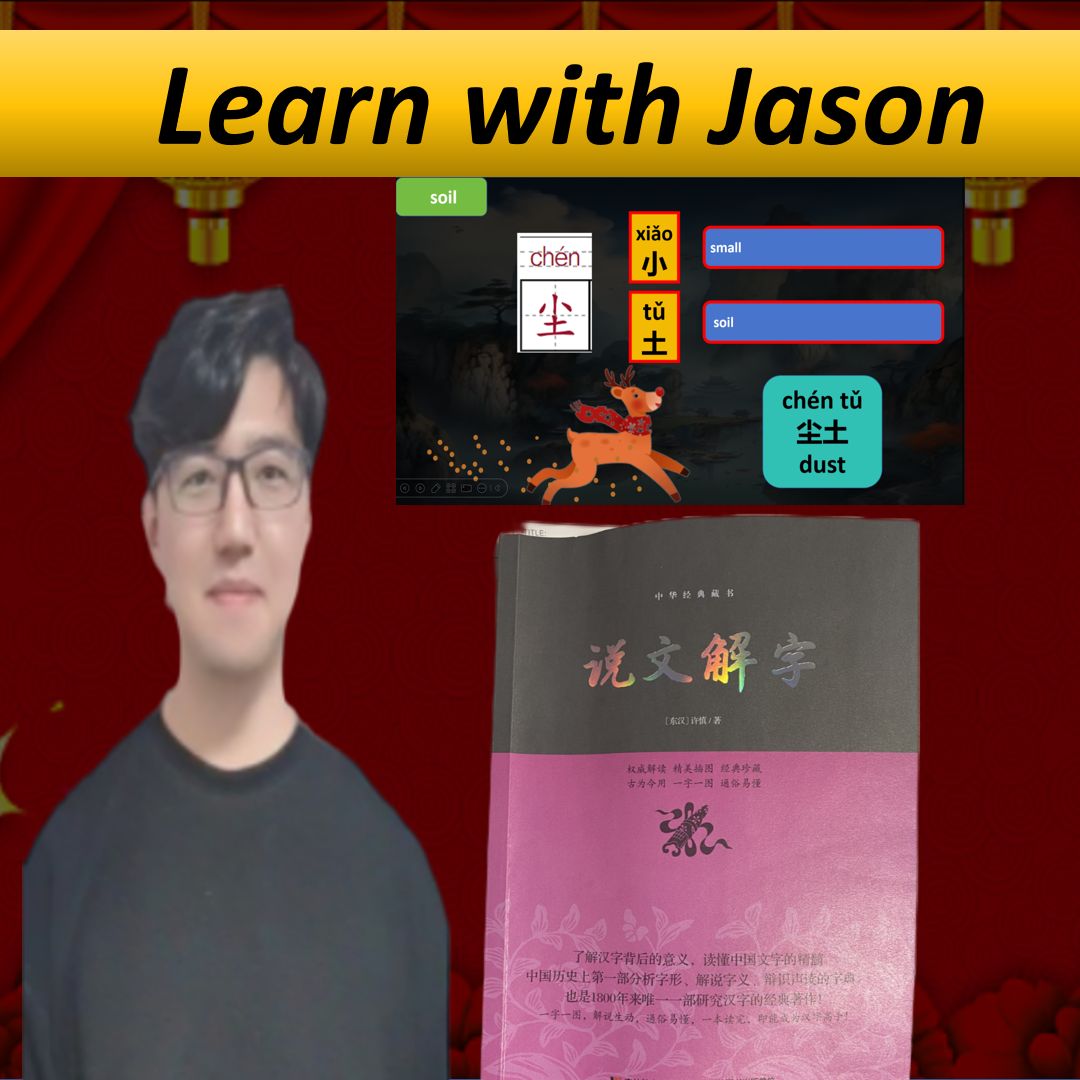
一个 “人” 字,藏着汉字的千年密码One Character "Rén": The Thousand-Year Code of Chinese Characters
 04:07
04:07 04:07
04:07คำอธิบาย
In this episode, we take the most basic Chinese character rén (person) as the starting point, to explore the origin of Chinese characters from oracle bone inscriptions. We will talk about how the simple character "rén" evolved into a series of related characters: from "dà (big)" to "tiān (sky)", from "lì (stand)" to "zhàn (stand)", and even "fū (husband)".
We also share the ancient Chinese culture hidden in these characters: the ancient belief that hair is a gift from parents, the coming-of-age ceremony with hairpins, and even the ancient origin of tattoos. It's a perfect episode for Chinese learners to understand the vivid stories behind Chinese characters, not just the symbols themselves.
人 rén Person/Human 最基础的汉字,甲骨文就是侧身站立的人的形象
大 dà Big/Large 张开手脚的人,引申出 “大” 的含义
天 tiān Sky/Heaven 人的头顶之上就是天,在 “大” 的上方加一横
立 lì Stand (for inanimate) 人站在地上,用来形容无生命的事物,比如 “铅笔立着”
站 zhàn Stand (for living) 专门用来形容活人的站立,比如 “人站着”
夫 fū Husband 成年男子,头上插着发簪,代表已经成年可以成婚
丈 zhàng Elderly man 年老的人,引申出 “丈夫”“老丈人” 的含义
文 wén Culture/Writing 原本是身体上的彩绘,后来演变成文化、文字的含义
ช่องพอดคาสต์
🥇🥇🥇Memorize Chinese characters in one minute一分钟秒记汉字
ผู้แต่ง
ทั้งหมดทุกตอน
Is social media making us less social?
10:32
Crímenes del futuro (2022) David Cronenberg ¡Terror corporal!🛑👅🧠🦠
04:46
週末のランチ
03:33
In what ways could AI change the way we work in the future?
05:50
Հետաքրքրասիրություն #11
03:15
Vol.111 ルカさんと葉野菜について1
19:13
Ep.7 살랑살랑 (sal-lang-sal-lang)
01:00
PREGUNTA DE ORTOGRAFÍA.
00:24ตอนยอดนิยม
IELTS with Nick - World Knowledge
Is social media making us less social?
10:32Películas de todo el mundo que me emocionan 😃🌅
Crímenes del futuro (2022) David Cronenberg ¡Terror corporal!🛑👅🧠🦠
04:46「のぞみ」の日記
週末のランチ
03:33IELTS with Nick - World Knowledge
In what ways could AI change the way we work in the future?
05:50․․․ մասին
Հետաքրքրասիրություն #11
03:15SAMURAI BROADCAST 侍放送 継続は力ニャり
Vol.111 ルカさんと葉野菜について1
19:13Korean Words of Senses
Ep.7 살랑살랑 (sal-lang-sal-lang)
01:00CHISTES MEXICANOS
PREGUNTA DE ORTOGRAFÍA.
00:24