ค้นหาจากครู ภาษาอังกฤษ หลากหลายคน...
Party of One: Solo Dining Increasing in Popularity
 02:19
02:19 02:19
02:19คำอธิบาย
If you see someone sitting alone in a restaurant, you might assume they're waiting for someone, or perhaps they're grabbing a quick lunch on their break.
But more and more people around the world are purposely dining alone.
Japan has a special word for this: ohitorisama, which refers to people confidently doing things alone without worrying about what others think.
A recent survey found that 23% of Japanese people eat out alone, up from 18% in 2018. And in the US, solo dining reservations have risen 29% over the last two years, according to restaurant reservation site OpenTable.
OpenTable CEO Debby Soo thinks remote work is one reason for the increase, with people looking for a break from their home offices.
The increasing popularity in solo dining comes as more people are living alone. In 2019, the Pew Research Center found that 38% of US adults ages 25 to 54 were living without a partner, up from 29% in 1990. In Japan, single households now make up one-third of the total; that’s expected to increase to 40% by 2040, according to government data.
Growing interest in solo travel — particularly among travelers ages 55 and over — is also leading to more meals alone.
But Soo thinks there could be more to it than that.
"I think there's a broader movement of self-love and self-care and really … enjoying your own company," Soo said.
As a result, many restaurants are redoing their seating, changing their menus and adding other special touches to appeal to solo diners.
But some aren't always happy to seat one diner. A Michelin-starred London restaurant caused a stir last year when it started charging solo diners the same price as two customers. The restaurant, which has 34 seats, offers an eight-course menu costing about $280 per person.
Other restaurants say it's worth seating one person because solo diners will often come back and eat there again.
ช่องพอดคาสต์
Practice Listening, Reading & Comprehension
ผู้แต่ง
ทั้งหมดทุกตอน

“二”和“两”有什么不同?
01:56
IELTS Scoring Criteria - what does the examiner want to hear
11:38
Sumo inspires name of big deep-sea fish
17:27
Investigación y diseño: el olvido de cuerpos divergentes
17:53
How has globalisation affected small businesses?
04:21
Episode 1. かぜ
01:30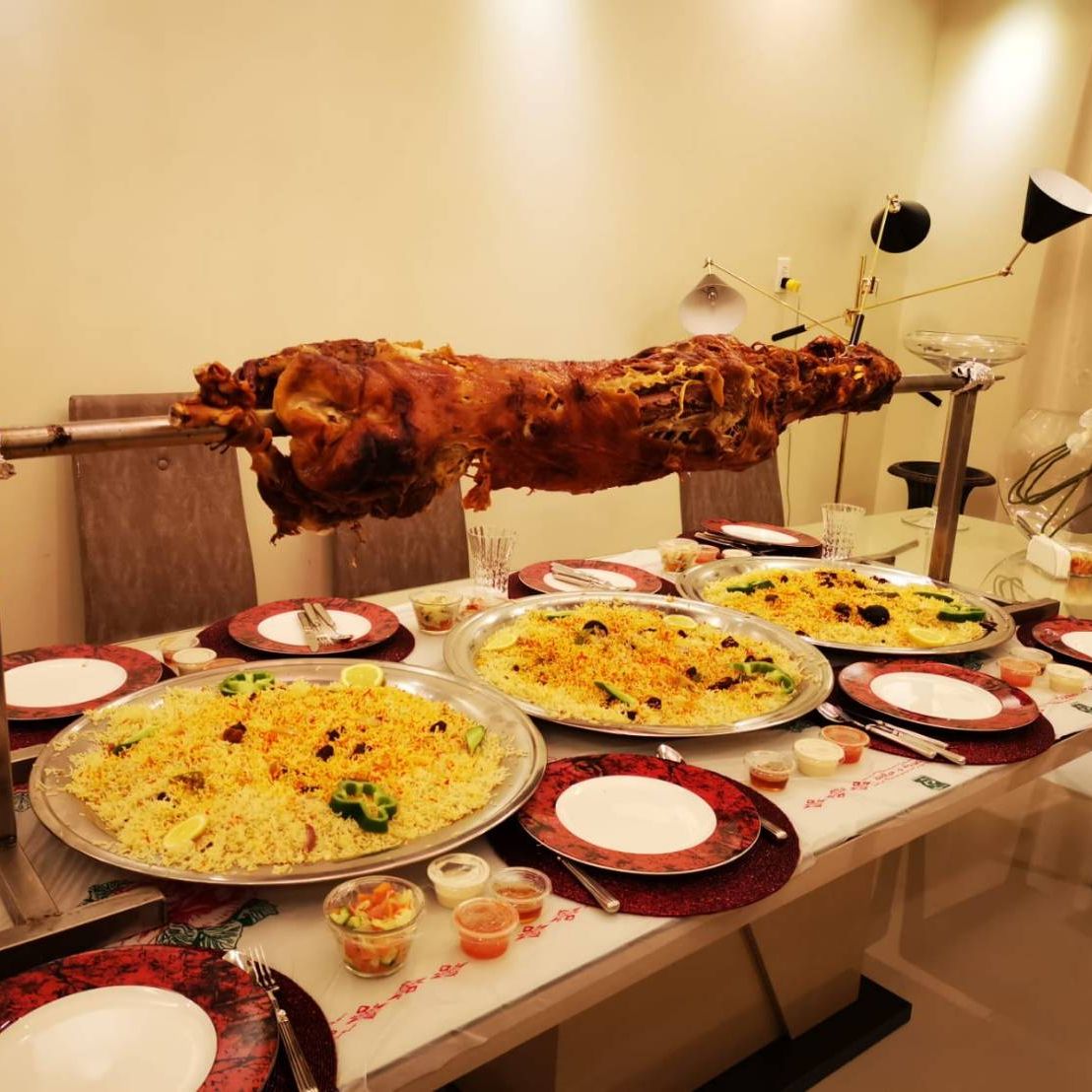
第3回:2年ぶりのサウジアラビアへ~ご馳走(ちそう)~
06:23
#273 N3、〜わけではない、について!
03:52ตอนยอดนิยม
大眼镜汉语老师Sylvia
“二”和“两”有什么不同?
01:56Learn English with Cambridge David
IELTS Scoring Criteria - what does the examiner want to hear
11:38いっしょにNHK News Web Easyを読もう📢Reading News Articles
Sumo inspires name of big deep-sea fish
17:27Voces Difusora
Investigación y diseño: el olvido de cuerpos divergentes
17:53IELTS with Nick - World Knowledge
How has globalisation affected small businesses?
04:21Tina Japa Go!
Episode 1. かぜ
01:30Learn Japanese with Yoshiko
第3回:2年ぶりのサウジアラビアへ~ご馳走(ちそう)~
06:23Atsushi のJapanese podcast (travel/news /文法・漢字・語彙/Osaka/Hokkaido/🇹🇷🇬🇪🇦🇲🇪🇸🇵🇹)
#273 N3、〜わけではない、について!
03:52