Key takeaways
- italki connects you with 1,000+ native Japanese tutors for personalized conversation practice at flexible schedules
- Self-study apps and free resources build vocabulary and grammar but lack speaking practice with native speakers
- Combining italki lessons with self-study resources accelerates fluency faster than using a single method
Choosing where to learn Japanese makes the difference between quitting from frustration and achieving fluency. The Japanese language challenges learners with three writing systems, complex grammar, and unfamiliar pronunciation patterns. Your learning platform determines whether you develop practical conversation skills or just memorize vocabulary you cannot use.
You no longer need to travel to Japan or attend expensive language schools. Japanese language learning platforms now provide native speaker instruction, structured curriculum, and flexible scheduling at a fraction of traditional costs. Free resources supplement paid courses, creating comprehensive learning systems accessible to any budget.
This guide examines seven proven options to learn Japanese, from conversation-focused tutoring to self-study apps and traditional classrooms. You’ll discover which platforms help you speak Japanese confidently, master the Japanese alphabet, and learn Japanese grammar efficiently based on your schedule, budget, and learning preferences.
Prefer to jump straight in? Find your Japanese tutor who can personalize your lessons and help you start learning with confidence today.
Where to learn Japanese
Quick comparison table
| Learning Method | Best For | Speaking Practice | Flexibility |
|---|---|---|---|
| italki (online tutoring) | Speaking, pronunciation, personalized learning, real conversation | Extensive with native speakers | Very high |
| Language apps (Duolingo, Memrise) | Daily vocabulary practice | Minimal | Very high |
| Video courses (JapanesePod101, FluentU) | Listening comprehension | None | High |
| Free websites (Tofugu, Japanese-Lesson) | Grammar reference | None | Very high |
When comparing study options, English speakers trying to learn Japanese as an English speaker should look for support with scripts, grammar, and speaking practice.
1. italki: Best platform to learn Japanese with natives
Best for: Speaking, pronunciation, personalized learning, real conversation
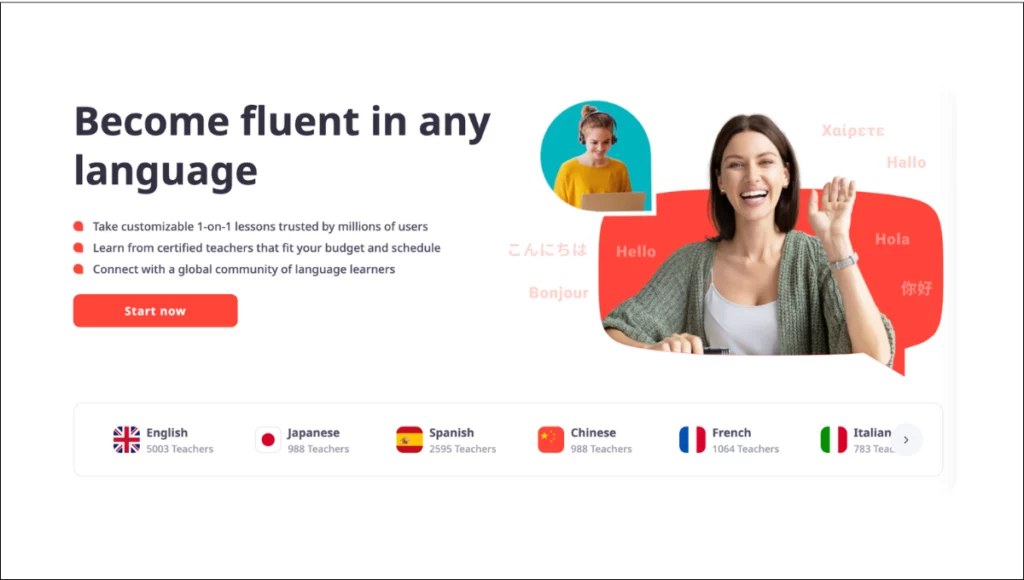
italki solves the biggest problem in traditional Japanese learning: limited conversation practice with native speakers. The platform connects you with over 1,000 qualified Japanese tutors for personalized video lessons that prioritize speaking from day one.
Unlike apps that teach you to recognize Japanese words but not use them in conversation, italki encourages you to actively speak Japanese every lesson. Your tutor corrects pronunciation immediately, explains confusing grammar in your native language, and introduces expressions that textbooks rarely cover.
English speakers can also find Japanese tutors for English speakers, allowing them to ask questions freely and follow lessons with ease.

Find Your Perfect Teacher
At italki, you can find your Japanese tutor from all qualified and experienced teachers. Now experience the excellent language learning journey!
Book a trial lesson
Why italki works well for Japanese learners
Japanese relies heavily on context, politeness, and cultural nuance. Learning with a native speaker helps you understand how Japanese is actually spoken in daily life, not just how it appears in textbooks.
What makes it effective:
- Speak Japanese from your first lesson
- Get immediate pronunciation and grammar feedback
- Learn natural expressions used by Japanese people
- Study at your own pace with flexible scheduling
Lessons fit around your life, not the other way around.
Pros:
- Extensive speaking practice with 1,000+ native Japanese tutors
- Schedule lessons around your availability across any timezone
- Personalized curriculum targeting your specific goals
- Immediate pronunciation and grammar feedback
- Pay per lesson with no long-term contracts
Cons:
- Requires stable internet connection for video quality
- Less peer interaction than classroom settings
Protip: Book 2-3 lessons weekly rather than one weekly session. Frequent conversation practice builds muscle memory for Japanese pronunciation and grammar patterns faster than occasional intensive lessons.
Looking to find a tutor in a location near you?
Connect with a tutor from these popular timezones.
2. Japanese learning apps: Convenient but limited
Language learning apps make daily practice convenient through gamified lessons accessible on your phone. However, most apps focus heavily on vocabulary and reading while neglecting speaking skills essential for actual communication.
Duolingo
- Introduces Japanese through bite-sized lessons covering Japanese hiragana, katakana and basic vocabulary
- Gamified system keeps practice engaging with streaks, points, and badges
- Ideal for daily vocabulary review
- Best for absolute beginners
- Limitation: Minimal speaking practice; combine with italki for full fluency
Memrise
- Uses flashcards with spaced repetition to maximize memorization
- Includes user-created decks from anime to business Japanese
- Videos from native speakers demonstrate pronunciation
- Best use: Memorizing vocabulary and Japanese kanji. Supplement with grammar resources for complete language understanding.
FluentU
- Learn through Japanese videos
- Lessons based on authentic Japanese content: dramas, news, commercials
- Interactive subtitles let you click words for definitions and example sentences
- Best use: Improving listening comprehension and learning vocabulary in context
3. Video courses and podcasts for listening skills

JapanesePod101
- 2,500+ audio/video lessons organized by level
- Grammar patterns taught via native speaker dialogues and explanations
- PDF transcripts and vocab lists for follow-along
- Best use: Building listening comprehension while learning grammar
Japanese from Zero
- Free structured lessons on Youtube
- Supports online courses and textbooks
- Best use: Supplementary video lessons for beginners
4. Free websites and resources
Numerous free Japanese learning websites make learning Japanese accessible regardless of budget when combined strategically.
Tofugu
- Free Japanese grammar guides with digestible explanations and examples
- Fun, engaging writing style
Japanese-Lesson.com
- Ten free lessons covering essential Japanese words and phrases
- Audio files for proper pronunciation
- Drill exercises per lesson to help solidify knowledge through repetition
- Best use: Absolute beginners. Lacks advanced content for progression beyond basics.
edX
- Free courses covering beginner to intermediate levels
- Video lectures, readings, discussion forums
- Shadowing methods for improving pronunciation
Linguti
- Quizzes for vocabulary, grammar, reading, writing, and listening
- Unlocks subsequent content as progress is made
Free resources pros
- Zero cost makes learning accessible to anyone
- Unlimited access to diverse materials
- Freedom to choose topics matching your interests
- Learn at your own pace without pressure
Free resources cons:
- No personalized feedback on pronunciation or grammar
- Overwhelming choices for beginners
- Limited speaking practice with native speakers
- Requires strong self-discipline and motivation
- Quality varies significantly between resources
Protip: Create a study routine using multiple sources for different skills. Use free apps for vocabulary, YouTube channels for listening, free websites for grammar, and schedule italki lessons for conversation practice.
Building your complete Japanese learning system
The most effective way to learn Japanese combines online Japanese lessons with self-study resources targeting different language skills:
- Speaking practice: personalized lessons on italki
- Vocabulary: daily app exercises
- Listening comprehension: video courses
- Grammar reference: free websites and textbooks
Many learners ask is Japanese hard to learn, and the answer depends heavily on your learning approach. Regular conversation practice makes Japanese grammar and vocabulary significantly easier to master than pure self study approaches.
Start learning Japanese by mastering the Japanese alphabet systems (hiragana and katakana) before tackling kanji. This foundation lets you read beginner materials and track pronunciation accurately.
Balance all four skills: speaking, listening, reading, and writing. Many learners focus on kanji recognition but neglect speaking, which limits functional fluency. Regular conversation practice accelerates understanding of Japanese grammar, vocabulary, and real-life expressions.
For beginners, read our beginner tips to learn Japanese for guidance. Mobile learners can explore apps to learn Japanese that complement your Japanese lessons.
Understanding the best way to learn Japanese helps you avoid common mistakes that waste time and effort.
Ready to speak Japanese like a native?
Learn Japanese faster with personal guidance from 1,000+ expert Japanese tutors trusted by over 5 million learners worldwide. Book a trial lesson with Japanese language tutor and experience the difference personalized Japanese tutoring makes.
FAQs
How can I learn Japanese by myself?
You can start self-study using textbooks and videos, but most learners struggle with speaking Japanese and pronunciation without guidance. Personalized Japanese tutoring on italki provides one-on-one feedback from native speakers, helping you apply grammar, expand vocabulary, and build confidence faster than self-study alone.
Can I learn Japanese in 3 months?
Yes, you can learn hiragana, katakana, and basic grammar. Personalized italki lessons focus on the areas you need most to maximize progress
Is 2 years enough to be fluent in Japanese?
Yes,two years is sufficient to reach conversational fluency if you practice consistently. With private Japanese tutors, you can schedule regular speaking sessions tailored to your level and goals, accelerating your fluency by focusing on real-life conversation and practical Japanese skills.
What is the 80/20 rule in Japanese?
The 80/20 rule emphasizes learning the most frequently used grammar patterns and vocabulary first. On italki, your online Japanese tutor can design lessons based on this principle, helping you quickly focus on high-impact language that appears in daily life and conversation.
Which is the best way to learn Japanese?
The fastest path is personalized tutoring , combined with self-study. Regular lessons with a native Japanese tutor help you practice speaking Japanese, correct mistakes in real time, and understand how grammar and vocabulary are used naturally in conversation.
Want to learn a language at italki?
Here are the best resources for you!