Key takeaways
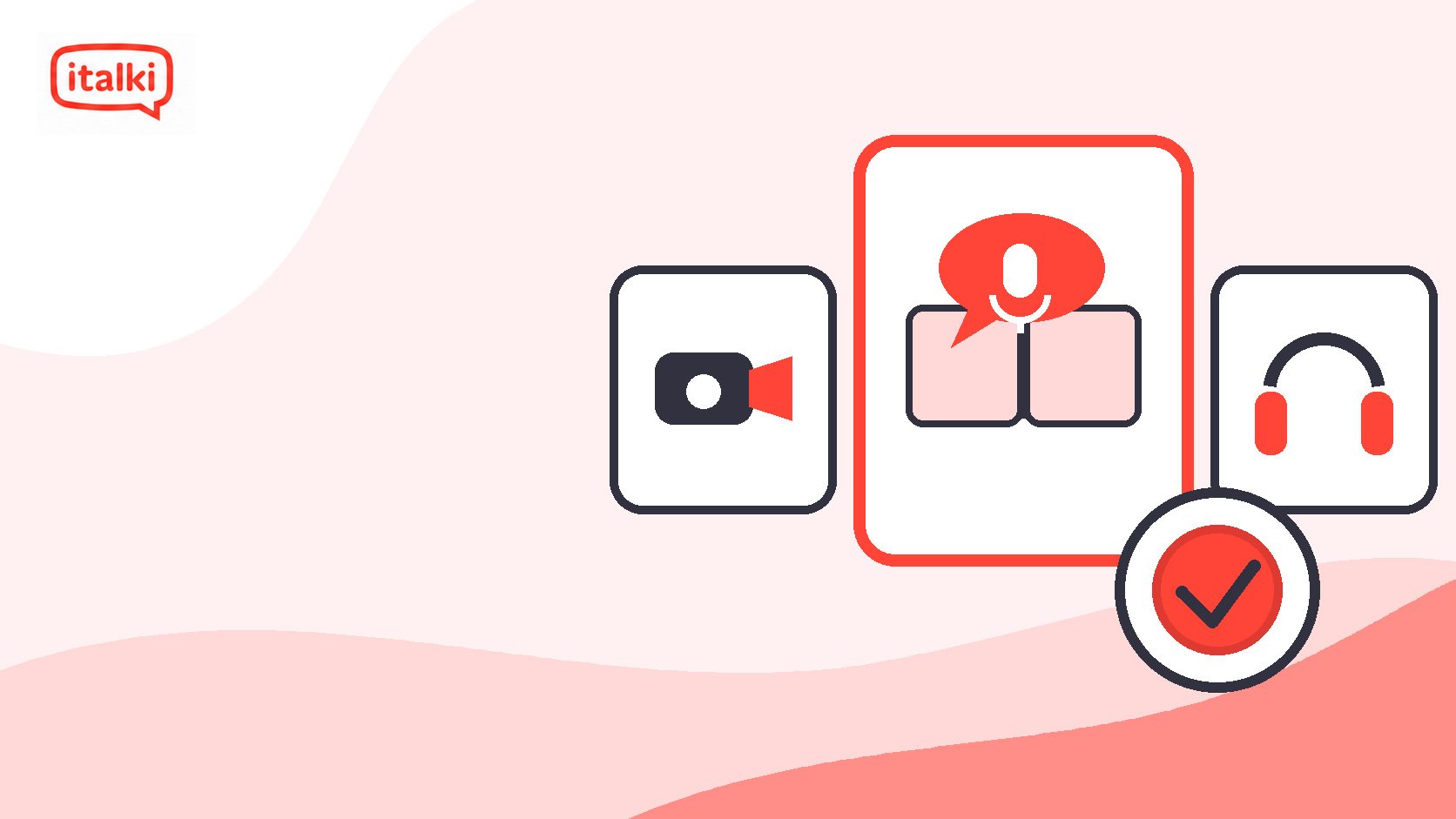
- The best method to learn a language for most learners is personalized one-on-one lessons, because every session includes speaking practice and immediate feedback from a teacher.
- Structured self-study with language learning apps, courses, and flashcards suits learners who want to learn basic vocabulary and grammar rules on a busy schedule.
- Immersion through listening, reading, and conversation suits learners who already know the basics and want to understand how native speakers talk in everyday life.
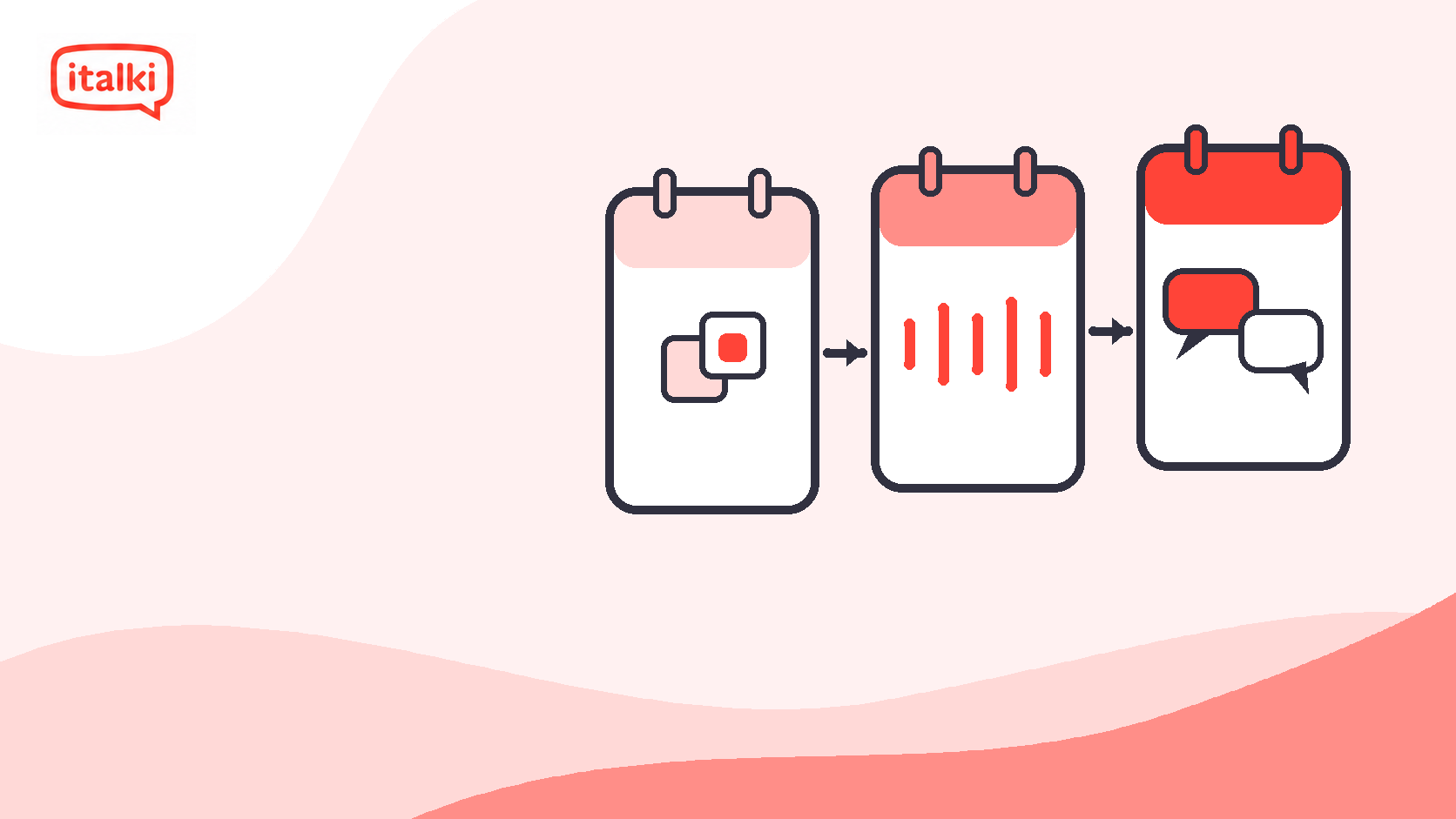
- The fastest method to learn a language combines one-on-one lessons, daily self-study, and regular immersion, with lessons at the core.
- Spanish and French take about 750 class hours to reach professional proficiency, Russian about 1,100, and Japanese, Korean, Mandarin, and Arabic about 2,200 Foreign Service Institute.
The best method to learn a language is personalized one-on-one lessons with a qualified teacher. For the fastest progress, combine those lessons with regular self-study and immersion. One-on-one lessons work best for most language learners because you speak in every session and a teacher corrects your mistakes as they happen.
italki lets you book one-on-one language lessons that fit your level, language learning goals, and schedule. You can find a language teacher for almost any goal or language, with 30,000+ professional teachers and community tutors across 150+ languages. Lessons fit any time zone, and learners in over 190 countries use italki.
This guide is for beginners deciding how to start learning a new language, self-taught learners who understand a lot but still can’t hold a conversation, and anyone learning for a deadline such as an exam, a move abroad, or a new job. It compares the three most effective language learning methods, shows how to use each one, and helps you choose the right one for your goal.
Ready to start speaking? Find Spanish tutors, Japanese tutors, French tutors, English tutors, and teachers for many more languages on italki.

Find Your Perfect Teacher
Get personalized lessons from native tutors who’ll help you speak naturally, not just correctly.
Book a trial lesson
What are the best methods to learn a new language?
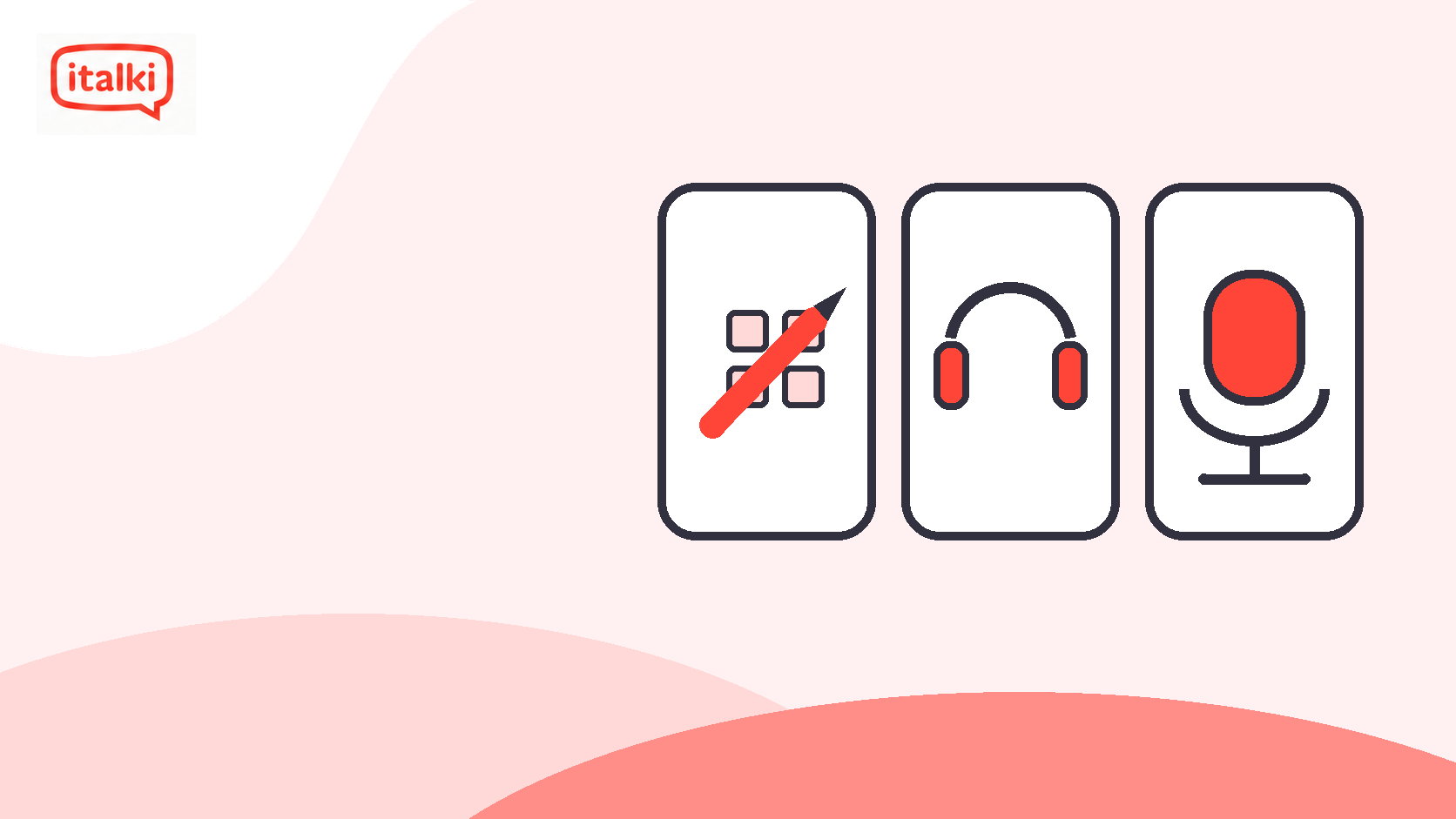
The three best methods to learn a new language are personalized one-on-one lessons, structured self-study, and immersion. Each method trains different language skills.
1. Personalized one-on-one lessons
Personalized one-on-one lessons are the best overall method to learn a language for most learners. You work with a teacher who adapts every lesson to your level and goals and gives you immediate feedback while you speak.
For many language learners, speaking is the scariest step. A one-on-one lesson gives you a private, patient setting to practice, so you can make mistakes without an audience and get used to speaking before you need it in real life.
One-on-one lessons are effective for three reasons:
- Regular speaking practice. Most of the lesson is conversation in the target language. You form new sentences out loud and respond in real time, which improves your speaking ability.
- Immediate correction. The teacher corrects errors in pronunciation, grammar, and word choice as they happen, before they become habits.
- A plan based on your level. The teacher assesses your prior knowledge and plans lessons around it. Beginners start with basic phrases, while advanced learners work on areas such as accent, idioms, or professional vocabulary.
How italki gives you access to one-on-one lessons
italki, an online language learning platform, gives you access to one-on-one lessons by letting you choose a professional teacher or community tutor by language, availability, and goal, then book individual lessons from your own home. There are no fixed language courses or group language classes to join, and with 30,000+ teachers to choose from, you can find one who fits your schedule and goal.
Teachers assess your level in the first lesson, choose materials for your goal, such as travel conversations, work meetings, or exam tasks, and correct your speaking as you go. Beginners get a clear starting point, self-taught learners get the speaking practice they’ve been missing, and exam candidates get practice with the tasks they’ll face.
You can choose between two types of teachers:
- Professional teachers hold teaching certifications or formal training. Choose one if you want a language expert for structured grammar lessons, a full study plan, or exam preparation such as the DELE exam, the DELF exam, the JLPT, or IELTS.
- Community tutors are native or fluent speakers who focus on conversation practice. Choose one if you mainly want regular speaking time and practice with everyday language.
Here’s how to get started on italki:
- Create an italki account and set your learning goal.
- Browse language teachers by language, availability, and specialty.
- Book a trial lesson to test the fit.
- Schedule regular lessons once you find a teacher you want to continue with.
Lessons take place in the italki Classroom in your browser. The chat saves automatically, you can take private notes during class, and teachers can send feedback after the lesson, so you can review corrections and new vocabulary before your next session.
With italki Plus, an optional add-on, each lesson also generates a summary of the grammar, vocabulary, and corrections from that lesson. It then turns that material into flashcards and practice exercises, so your practice between lessons follows directly from what you worked on with your teacher.
italki lessons lead to measurable progress in speaking. In an independent italki efficacy study, 71.6% of italki learners moved up at least one level on a standard speaking test after an average of 16 hours of lessons over about eight weeks Queens College (CUNY) & University of South Carolina.
Try personalized one-on-one lessons on italki for regular speaking practice, corrections as you speak, and a plan built around your goal. Book a trial lesson with an online language tutor to see how it works for you.
Find Your Perfect Teacher
Get personalized lessons from native tutors who’ll help you speak naturally, not just correctly.
Book a trial lesson
2. Structured self-study with apps and courses
Structured self-study is the best method for learning vocabulary and grammar on a flexible schedule. It includes language learning apps, textbooks, online resources like video courses, vocabulary lists, and flashcards.
Research shows that spacing and retrieval practice, where you review material over several days and test yourself instead of rereading, improve long-term retention Australian Education Research Organisation. Flashcard apps use this approach to help you remember new vocabulary words, and some of the best apps for learning languages build it into their vocabulary reviews.
Self-study works especially well in the early stages, when learning a new language feels exciting and new words come quickly. To make it effective:
- Follow one core course or textbook. It gives you a clear order for grammar rules, so you don’t jump between topics.
- Learn everyday words first. Start with basic vocabulary for greetings, numbers, food, directions, and work before moving to specialized topics. This is often called the 80/20 rule: a small set of the most frequent words makes up most of everyday conversation, so learning those first gives you the biggest return The Linguist.
- Use active recall on a schedule. Review each new word after one day, three days, and one week, and try to produce it from memory before you check the answer. Recalling a word from memory, rather than rereading it, makes it easier to use in conversation.
- Use every word in a sentence. Write two or three new sentences with each word and read them aloud. This turns passive recognition into words you can use.
- Add grammar practice in small doses. Short grammar drills of 10 to 15 minutes are easier to keep up alongside vocabulary work.
- Try shadowing. Play a short audio clip and repeat each sentence right after the speaker to practice pronunciation and rhythm.
3. Immersion and real-world conversation
Immersion is the best method for improving listening and understanding how native speakers talk in everyday life. It means regular exposure to the language through audio, video, reading, and conversation.
Immersion works best when you understand most of what you hear or read, with a few new words you can guess from context. Choose content that feels slightly challenging, not overwhelming. If you stop every few sentences to look up words, switch to something easier.
You don’t need a year abroad. Great resources are available online at every level:
- Beginners: slow audio, short stories written for learners, and YouTube videos made for learners of your target language.
- Intermediate learners: language learning podcasts, a YouTube channel by a native speaker on a topic you find interesting, and watching TV with target-language subtitles.
- Advanced learners: newspaper articles, TED talks, and films or series without subtitles.
Small changes add more exposure to your day. Switch your phone and social media to the target language, follow creators who post in it, and replace one show or podcast you already follow with a target-language version.
For casual speaking practice, the best language exchange apps connect you with conversation partners: you help other users practice your native language, and they help you with theirs.
A language partner is a volunteer rather than a teacher, so the amount of feedback you get varies. If you want conversation practice with regular corrections, a community tutor on italki offers both.
Self-study and immersion work well alongside lessons, and a teacher can tell you which mistakes to focus on next. Get targeted corrections from a language tutor who adapts each lesson to your needs.
Find Your Perfect Teacher
Get personalized lessons from native tutors who’ll help you speak naturally, not just correctly.
Book a trial lesson
What is the fastest method to learn a language?
The fastest method to learn a language is combining one-on-one lessons with daily self-study and regular immersion. Lessons show you what to study and correct your mistakes, self-study adds vocabulary and grammar between sessions, and immersion improves your listening.
One-on-one lessons speed up progress in two ways:
- Less time guessing what to study. A teacher assesses your level in the first lesson and tells you what to focus on, so you skip material that’s too easy or irrelevant to your goal.
- Earlier correction. Making mistakes is normal, but an error you repeat for months is harder to fix than one corrected in your first few weeks.
italki makes this pace practical. You book lessons around your own schedule, so you can take two or three a week when you’re working toward a deadline, and your teacher can send feedback after each lesson so you know what to review before the next one.
A realistic weekly plan:
Your timeline also depends on the language. No method guarantees fast fluency, and some popular languages take far longer than others for people whose native language is English. According to the US Foreign Service Institute:
- Learning Spanish or learning French to general professional proficiency takes about 30 weeks (750 class hours).
- Learning Russian takes about 44 weeks (1,100 class hours).
- Japanese, Korean, Mandarin, and Arabic take about 88 weeks (2,200 class hours).
If you haven’t picked a language yet, compare the easiest language to learn for English speakers.
On italki, you can ask your teacher to assign self-study and immersion tasks, so your practice between lessons targets your weak points and you can see where you’re making progress. For more language learning tips, see our guide on how to learn a new language.
The fastest progress comes from one-on-one lessons that guide everything else you study. Book online language lessons on italki and let your teacher plan your self-study and immersion around your goal.
Find Your Perfect Teacher
Get personalized lessons from native tutors who’ll help you speak naturally, not just correctly.
Book a trial lesson
Which language-learning method is best for you?
The best method to learn a foreign language depends on your goal and how soon you need to speak.
- Choose one-on-one lessons if you want to hold real conversations soon, have a specific goal such as an exam or a move abroad, or need someone to correct your pronunciation and grammar.
- Choose structured self-study if you’re a complete beginner and want to learn basic vocabulary and grammar in short sessions.
- Choose immersion if you already know the basics and enjoy learning languages through TV series, podcasts, books, and conversations with native speakers.
Ready to start speaking a new language?
One-on-one lessons combine speaking practice, early correction, and a plan for your goal. Pair them with daily self-study and immersion for the fastest progress.
Learn a new language faster with personal guidance from expert language tutors trusted by over 10 million learners worldwide. Book a trial lesson today.
Find Your Perfect Teacher
Get personalized lessons from native tutors who’ll help you speak naturally, not just correctly.
Book a trial lesson
Want to learn a language at italki?
Here are the best resources for you!