Key takeaways:
- JLPT N5 tests 100-120 kanji, 800 vocabulary words, and basic Japanese grammar through multiple-choice questions.
- Focus on JLPT N5 vocabulary and grammar first, then build reading and listening skills with practice exercises.
- Most learners need 4-6 months of consistent study to pass.
This JLPT N5 study guide will help you learn Japanese for exams, starting with the entry-level Japanese Language Proficiency Test. N5 is the lowest JLPT level, but it can be challenging if you’ve never learned Japanese language before.
This article covers what’s on the JLPT N5 exam and provides preparation tips based on my experience teaching beginners. If you already have an effective study routine, stick to it. If you’re just starting out and need guidance, this guide will point you in the right direction.

Ace the JLPT Exam with a Japanese Pro
Get one-on-one guidance from expert Japanese tutors who know the JLPT inside out. Practice smart, boost your confidence, and pass with flying colors!
Book a trial lesson
What is JLPT N5?
JLPT (Japanese Language Proficiency Test) is a standardized test that assesses and certifies the Japanese language proficiency of non-native speakers.
Learners who need a focused exam route can use how to pass JLPT N5 to turn vocabulary, grammar, listening, and mock tests into a weekly plan.
It evaluates 4 Japanese language abilities: vocabulary, grammar, reading and listening, across five levels from N5 to N1.
Many Japanese learners take the test for employment, further education, or obtaining residence status in Japan.
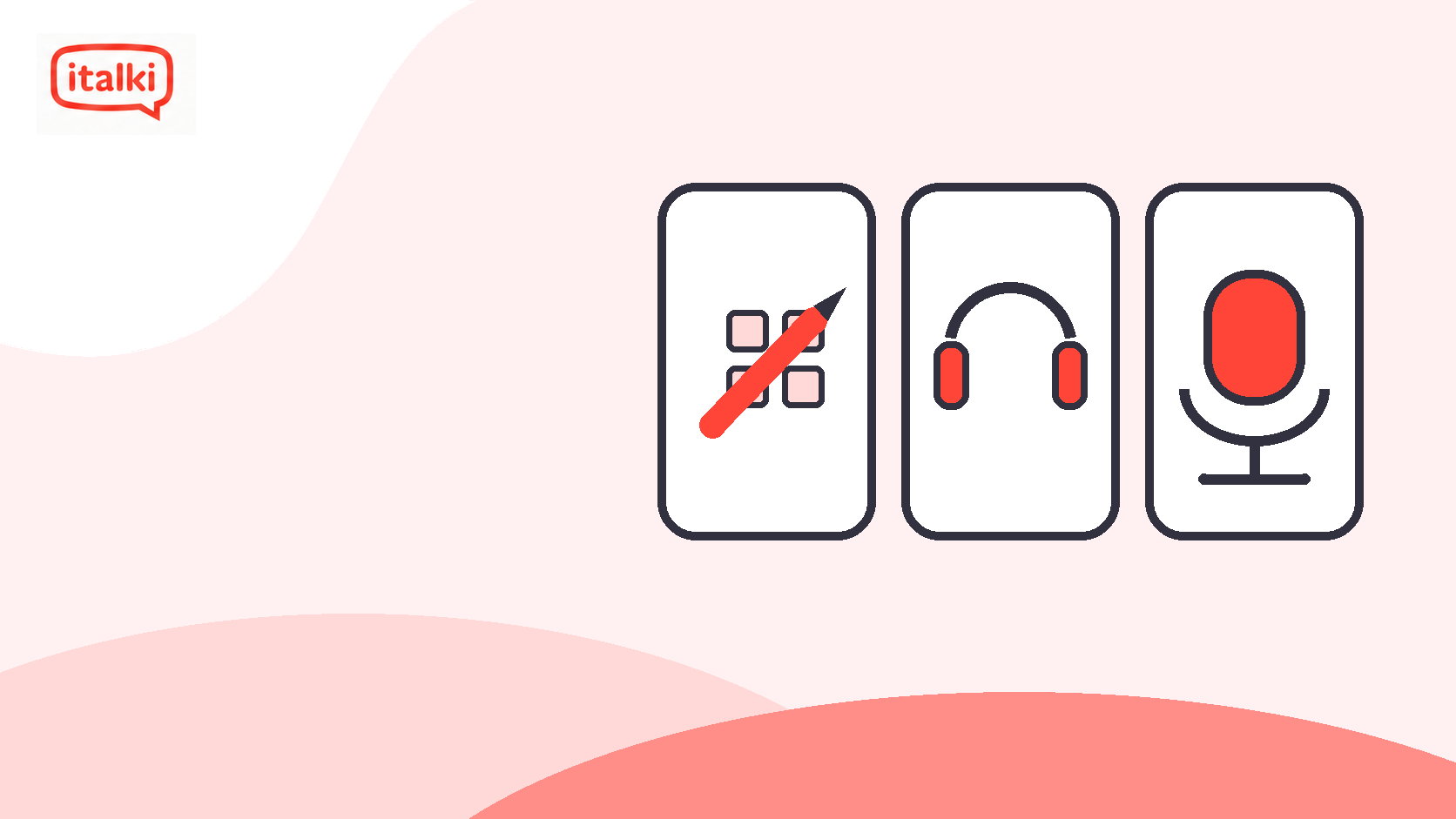
The test uses multiple-choice questions with four options each. There are no writing or speaking assessments. To pass the N5 exam, you need a total score of at least 80 out of 180.
Time allocation:
- Vocabulary section: 20 minutes
- Grammar and reading section: 40 minutes
- Listening section: 30 minutes
JLPT N5 topics you need to study
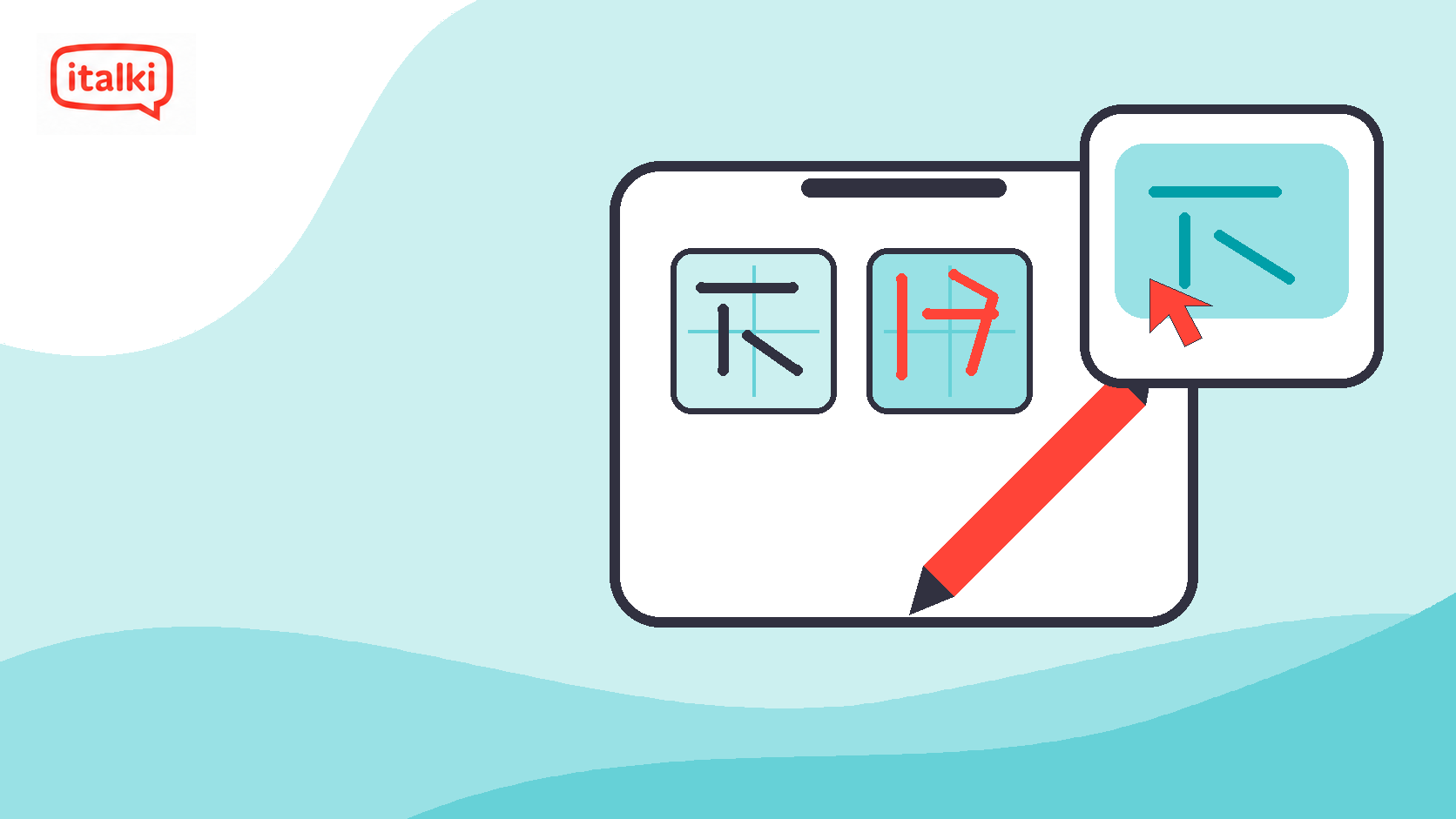
Kanji
The Japanese kanji section includes:
- 7 questions on converting Kanji to Hiragana.
- 5 on converting Hiragana to Kanji.
- No writing exams.
- You need to know around 100–120 kanji to answer them correctly.
Vocabulary
The vocabulary section tests:
- 6 fill-in-the-blank questions
- 3 questions where you need to select the correct usage for each word.
- You will need to know around 800 words to answer them correctly. Focus on common daily words and phrases first.
Grammar
The grammar section includes:
- 9 fill-in-the-blank questions
- 4 questions where you put words in the right order
- 1 medium-length sentence with 4 blanks to fill in
Reading
Reading comprehension covers:
- 3 short sentences (about 80 words each, 1 question per sentence)
- 2 longer passages (about 250 words each, 2 questions per passage)
- 2 information retrieval questions from a 250-word passage
Listening
- 7 questions on task-based comprehension.
- 6 questions on point comprehension.
- 5 questions on utterance expressions.
- 6 questions on quick response.
Ace the JLPT Exam with a Japanese Pro
Get one-on-one guidance from expert Japanese tutors who know the JLPT inside out. Practice smart, boost your confidence, and pass with flying colors!
Book a trial lesson
JLPT N5 study plan
The best approach is to keep learning consistent. Before setting a timeframe, clarify how much study time you have available each week.
Reading is the hardest part of the exam, but if you are good at vocabulary and grammar, it is not difficult. So focus on vocabulary and grammar first. If you need time to get used to listening, allow yourself enough practice sessions before test day.
Here is the sample schedule for the first week;
| Subject | Weekly target | What to do |
| Kanji | Remember 70+ Kanji | Learn 10-15 Kanji per day.Keep writing new Kanji in a notebook. |
| Vocabulary | Remember 70+ words | Learn 10-15 words per day.Make flash cards and review them every morning. |
| Grammar | Remember 10+ grammar points and master their usage | Take online lessons with a Japanese tutor (60 min x2 per week) and learn 4-8 grammar points per lesson. Make sentences using Kanji, words and grammar points you have learnt, then check them with a tutor |
Practice tips for each skill
- Kanji and Vocabulary– Keep working on these daily. If you’re unsure how to learn kanji efficiently, spaced repetition is the most effective method for long-term retention.
- Grammar– Try using grammar points in conversation with a tutor or language partner.
- Reading– Understand the subject of each sentence.Then work on identifying key information quickly.If you’re still learning Japanese hiragana and basic Japanese writing, spend extra time on that foundation before tackling longer reading passages.
- Listening– Review how to say and understand dates, times, and numbers. These appear frequently on the exam.
Pro tip: Working with a Japanese teacher helps significantly with pronunciation and listening comprehension. They can correct mistakes you might not catch on your own.
Find a Japanese JLPT tutor to focus on your weak areas and get personalized guidance.
Ace the JLPT Exam with a Japanese Pro
Get one-on-one guidance from expert Japanese tutors who know the JLPT inside out. Practice smart, boost your confidence, and pass with flying colors!
Book a trial lesson
Common mistakes learners make
- Applying too early: Registering before you’re ready can be discouraging. Take practice tests first; consistently scoring above 80 means you’re prepared.
- Memorizing without context: Learning vocabulary and grammar in isolation hurts retention. Make example sentences and practice using them in real situations.
- Ignoring weak areas: Avoiding difficult topics slows progress. Focus extra time on listening, Kanji, or whichever area challenges you most.
- Skipping mock exams: Practice tests help you understand the format and manage your time. Complete several before the real exam.
- Studying inconsistently: Cramming rarely works. Short, daily sessions are more effective than long, infrequent ones.
Test day tips
Check the official announcement carefully a few weeks before your exam. Venue details, permitted items, and arrival times are all listed there.
What to bring:
- Test voucher and ID
- Pencils and eraser
- Watch (many test centers don’t allow phones)
- Water bottle (if permitted at your venue)
Ready to start preparing?
Passing JLPT N5 comes down to examining the test contents and establishing consistent study habits. Build your study plan based on your availability and current level.
When you learn Japanese online with structured lessons and regular practice, you see faster progress than self-study alone.
Working with experienced Japanese JLPT tutors gives you personalized guidance on grammar questions, pronunciation, and practice exercises tailored to your weak areas. They help you stay motivated and build confidence before test day.
Start with a trial lesson to discuss your study plan and get feedback on where to focus your efforts.
Ace the JLPT Exam with a Japanese Pro
Get one-on-one guidance from expert Japanese tutors who know the JLPT inside out. Practice smart, boost your confidence, and pass with flying colors!
Book a trial lesson
FAQ
What are the best JLPT N5 prep resources
N5 textbooks and mock exams provide structure and practice. But working with a Japanese JLPT tutor helps you actually use what you’re learning through conversation practice, get immediate feedback, and stay accountable to your study plan.
How to study for N5 JLPT?
First, focus on memorizing core vocabulary and grammar. Second, identify and work on your weak areas through practice exercises. Finally, complete mock tests to get comfortable with the format and time management. Consistent daily study works better than irregular cramming sessions.
Can I pass N5 in 1 month?
It depends on your starting point, but rushing rarely works well. Most learners need 4-6 months of steady preparation. If you already know hiragana, katakana, and some basic grammar, one month of intensive study might work. For complete beginners, take more time and apply when you’re ready.
Is 100 kanji enough for N5?
It depends on your overall grammar, reading, and listening skills. The N5 assessment looks at your total score across all sections, not each ability separately. If you’re strong in other areas, you can pass with slightly less kanji knowledge. But learning all 100-120 kanji gives you the best chance.
How long to study for JLPT N5?
Most of my adult professional students study for around six months with consistent practice. Some finish faster, others need more time. Allow yourself a little extra time rather than rushing. Your progress depends on how much time you dedicate weekly and your previous language learning experience.
Can I pass N5 without kanji?
Technically possible, but not recommended. If your goal is reaching higher JLPT levels, skipping kanji now makes future progress much harder. The kanji you learn for N5 appear constantly in higher levels. Start building that foundation early.
Is JLPT N1 or N5 harder?
N1 is the hardest level, requiring advanced Japanese across all skills. N5 is the easiest, designed for beginners. Each level up roughly doubles the difficulty and required study time.