Key takeaways:
- Children start learning Spanish for kids as early as age 3, with different methods working best at different stages
- Consistent, short practice sessions (10-15 minutes daily) work better than long, irregular lessons
- Talking with native Spanish speakers gives kids the fastest, most natural results
- Spanish opens doors to communication with 500+ million speakers and improves brain development
- Kids learn best through play, songs, and interactive activities rather than sitting with textbooks
Learning Spanish for kids is easier and more natural than most parents realize. Your child doesn’t need to be top of their class or have a special talent for languages. Young minds naturally soak up a second language, especially when learning feels like play rather than work.
With over 500 million speakers worldwide, Spanish is both practical and valuable. Instituto Cervantes You might be hoping to connect your child with their heritage, prepare them for future opportunities, or simply give them the gift of bilingualism. This guide will show you exactly how to get started.
You’ll learn when to start, which methods work best, and how to make Spanish a natural part of your child’s daily routine. Looking for the right teacher? Meet Spanish tutors for kids who specialize in making lessons fun and age-appropriate.

Make Spanish Fun for Your Child
Start Spanish lessons that use games, songs, and stories to keep kids engaged and speaking with confidence.
Book a trial lesson
Why should kids learn Spanish?
Kids should learn Spanish because it’s one of the most useful languages in the world and their young brains are perfectly designed to absorb it naturally. The benefits go way beyond knowing a foreign language.
Brain development: Research shows bilingual children do better at problem-solving, multitasking, and creative thinking. Language learning strengthens how their brains work overall and helps them pick up basic concepts more quickly. Nord Anglia Education
Cultural connection: Spanish opens up rich cultures across Spain, Latin America, and communities worldwide. Your child gets to experience music, stories, and traditions from dozens of countries, which builds confidence in different settings.
Future opportunities: With over 500 million Spanish speakers globally, knowing the language creates advantages in education, career options, and travel throughout their lifetime. These early language skills open doors to professional opportunities as they grow.
Social skills: Speaking Spanish helps children feel more comfortable meeting new people and adapting to different situations. They talk and connect with families around the world.
School performance: Research shows children who learn a second language often do better in their first language too, with stronger reading and writing skills. They understand context better and pick up new vocabulary words more easily. Applied Psycholinguistics
The earlier kids start, the more natural their accent and pronunciation become. Their brains absorb speech patterns that adults struggle with later.
What age should kids start learning Spanish?
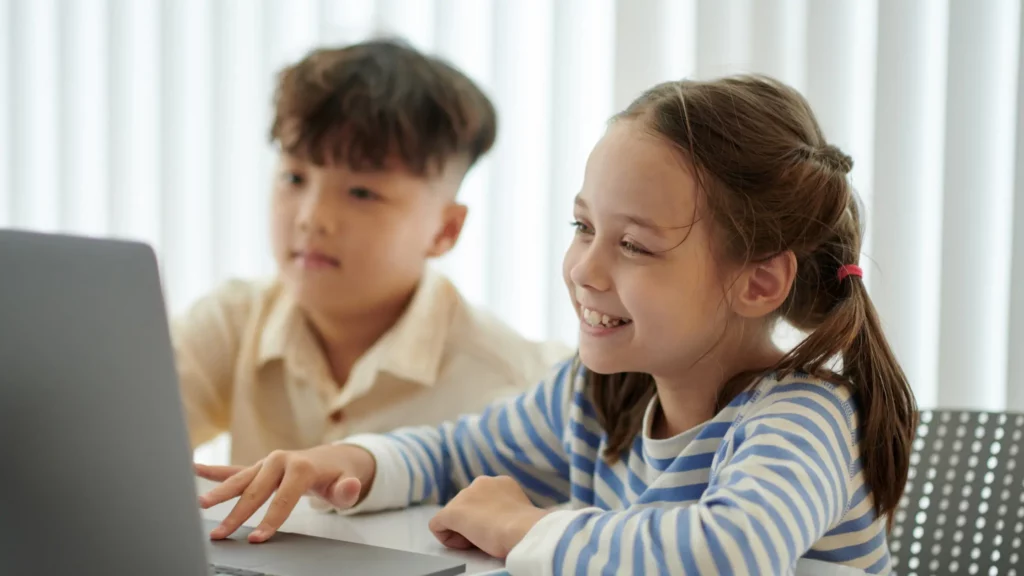
Kids can start learning Spanish as early as age 3. At this age, they’re already picking up grammar cues and starting to understand the language in real time, making it a perfect time to begin their Spanish journey. PubMed Central
Ages 3-5 (Preschool): This is the sweet spot. Preschoolers pick up pronunciation and grammar patterns naturally through play and conversation. They’re not self-conscious about making mistakes, which helps them learn faster. Focus on Spanish songs, simple games, and basic greetings during this stage. Age appropriate lessons for preschool learners should feel like playtime.
Ages 6-8 (Early elementary): Children at this age handle more structured Spanish lessons while still absorbing language naturally. They start reading simple books, learning Spanish numbers, and following instructions in class. Their curiosity about how language works makes this a great time to introduce a Spanish tutor for kids.
Ages 9-12 (Upper elementary): Older kids grasp grammar concepts more easily and often make quick progress. They have real conversations, understand cultural context, and practice speaking with more complex sentences. A Spanish curriculum at this level includes themes from school subjects like science and stories.
Ages 13+ (Teens): Teenagers absolutely learn Spanish successfully, though it takes more conscious effort than it would for younger children. Their analytical thinking helps them understand grammar rules, and their interests in music, videos, or travel keep them motivated.
The key isn’t starting early but starting consistently. A 10-year-old who practices regularly will progress faster than a 4-year-old with sporadic exposure.
Start your child’s Spanish journey at any age, find the right tutor today!
How kids learn Spanish best
1. Immersion and natural conversation (The most effective approach)
Kids learn Spanish fastest when they hear it, speak it, and use it in real situations. This is how they learned their first language, and it works the same way for teaching Spanish.
An online Spanish tutor for kids provides structured immersion that’s hard to replicate at home. During one-on-one Spanish lessons, your child gets personalized attention, immediate feedback, and conversation practice tailored to their interests. Teachers adjust to their pace, keep them engaged, and make speaking Spanish feel natural rather than forced.
Unlike classroom settings where students might speak only a few sentences per hour, online Spanish lessons mean your child actively uses the language throughout the entire session. They’re not waiting for their turn or staying quiet while others participate. The tools available through online platforms give kids access to native Spanish speakers from anywhere in the world.
The personal connection matters too. When children build a relationship with their tutor, they feel more comfortable making mistakes and trying new words. This emotional safety speeds up Spanish learning significantly. Look for Spanish lessons for kids with teachers who specialize in age appropriate and engaging instruction.
Make Spanish Fun for Your Child
Start Spanish lessons that use games, songs, and stories to keep kids engaged and speaking with confidence.
Book a trial lesson
2. Songs, games, and stories
Music helps children remember vocabulary and pronunciation patterns without feeling like they’re studying. Spanish songs with repetitive lyrics stick in their minds naturally. You can watch cartoons or listen to music together, making practice feel engaging and wonderful.
Games turn grammar practice into fun challenges. Matching vocabulary words, playing digital games on a computer, or acting out scenarios all help kids program their brains to think in Spanish. Stories build comprehension while sparking imagination and introducing new themes.
Look for interactive activities where your child moves, sings, or creates something while using Spanish. The physical connection strengthens memory. Card games, worksheets for reinforcement, scavenger hunts, and role-playing scenarios all work well.
3. Short, consistent practice
Fifteen minutes every day beats an hour once a week. Children’s attention spans are short, but their brains lock in what they’ve learned during sleep. Daily exposure, even in small doses, builds connections better than cramming.
Consistency also prevents forgetting. When kids encounter Spanish regularly, words and phrases stay fresh. They build on previous lessons instead of relearning what they’ve lost. Students who practice daily show more confidence and speak Spanish without hesitation.
Set a specific time each day when possible. Before dinner, during breakfast, or right after school creates a routine that becomes automatic.
Give your child the gift of real conversation. Find a tutor who makes Spanish second nature.
Best ways to teach kids Spanish at home
1. Hire a Spanish tutor for kids
Working with professional teachers gives your child focused practice time and expert guidance. Online Spanish lessons for kids are flexible, affordable, and eliminate travel time. Your child learns from home at times that fit your schedule. This works great for homeschool families or parents looking for after-school support.
Professional tutors know how to keep children engaged, adapt to different learning styles, and spot exactly where kids need extra support. They bring a structured Spanish curriculum and accountability that’s difficult to maintain on your own. Many teachers offer free trial lessons so you find the right fit.
On italki, you’ll find Spanish teachers who specialize in teaching children. Read reviews from other parents and try lessons to find the right match.
Watch Your Child Shine in Spanish
Friendly tutors help kids explore Spanish in a creative and interactive way. Build speaking skills and love for the language!
Book a trial lesson
2. Use Spanish apps and games
Language learning apps designed for kids make practice feel like playtime. Look for programs with interactive games, colorful graphics, and immediate rewards. Many apps use spaced repetition to reinforce vocabulary naturally and help kids speak Spanish with confidence.
The best apps combine listening, speaking, reading, and writing. Your child should hear native pronunciation, not read words on a screen. Some websites and platforms offer free Spanish lessons or free Spanish resources to get started.
Set daily app time as part of your routine, but remember that apps and tools work best as supplements to conversation practice with teachers, not replacements for it.
3. Watch Spanish videos and shows
Children’s shows in Spanish give natural exposure to the language in context. Your child hears how people talk, picks up on tone and emotion, and learns everyday phrases. Spanish videos give students access to real-world speaking patterns and cultural themes.
Start with shows your child already loves if they have Spanish versions available. The familiar stories help them follow along even when they don’t understand every word. You can watch cartoons together on YouTube or streaming platforms. Gradually introduce new Spanish-language content as their comprehension improves.
Keep subtitles in Spanish rather than English when possible. This helps connect spoken and written language without relying on translation. Many families find this approach wonderful for building vocabulary in context.
4. Read Spanish books together
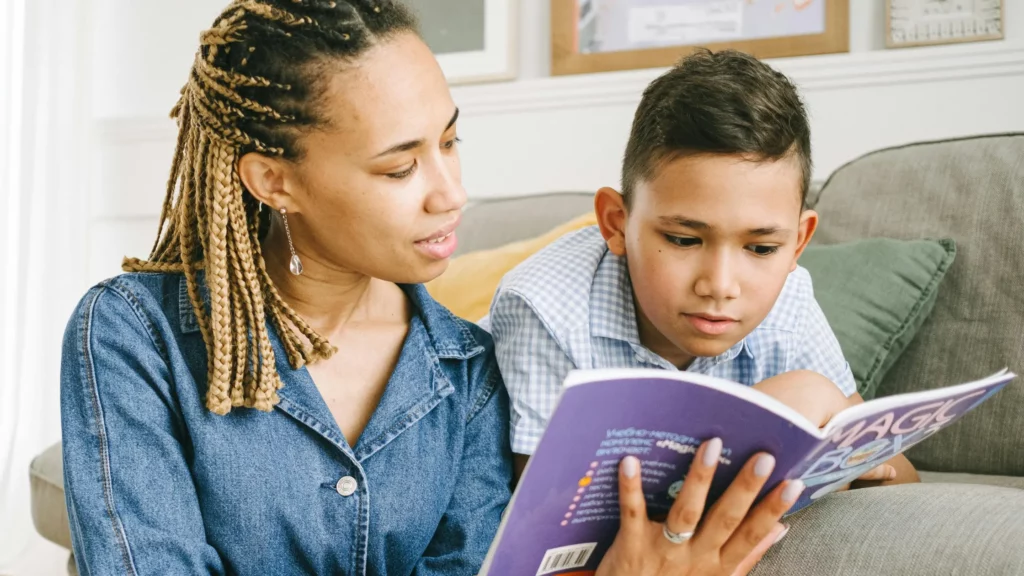
Picture books with simple text let you read aloud while your child follows along. Point to words as you say them, talk about the pictures, and ask questions in Spanish when appropriate. Reading builds vocabulary and shows how sentences work together.
Let your child pick books that interest them. A book about dinosaurs or princesses in Spanish is better than a “perfect” educational book they find boring. Stories introduce themes and context that make learning meaningful.
As they get better, try bilingual books or readers designed for language learners. The repetitive vocabulary and controlled grammar help build confidence. Many Spanish resources are available online, and some offer free Spanish materials for families.
5. Speak simple Spanish at home
You don’t need to be fluent to use kids Spanish phrases at home. Start with basic greetings and concepts for daily routines: “buenos días” (good morning), “vamos a comer” (let’s eat), “¿cómo estás?” (how are you?). Even simple practice helps your son or daughter feel comfortable with the language.
Label household items with Spanish words. Use Spanish for counting, colors, and simple commands. When you make mistakes, laugh about them together. Your willingness to try shows your child that making errors is part of learning.
As your child gets better, increase the Spanish you use. The goal is making the language feel normal and useful, not foreign or difficult. Teaching Spanish at home doesn’t require perfect skills, just consistent effort and a positive attitude.
For parents who want to learn alongside their children, this guide on the easiest way to learn Spanish offers helpful starting points.
Learning Spanish opens up a world of opportunities for your child, from stronger thinking skills to meaningful connections with millions of people worldwide. The key is finding an approach that fits your child’s age, personality, and learning styles.
Apps, songs, and videos are useful, but nothing replaces real conversation. Working with a tutor who understands how kids learn makes Spanish stick and keeps it fun.
Recommended reading: Best Online Spanish Classes for Kids
Give your child the opportunity to learn Spanish faster with personal guidance from expert Spanish tutors trusted by over 10 million learners worldwide. Book a trial lesson today.
Give Your Child the Gift of Bilingualism
Fun, interactive lessons with friendly tutors help your child gain confidence, speak naturally, and fall in love with Spanish!
Book a trial lesson
FAQ
How long does it take for a child to learn Spanish?
Children typically reach conversational fluency in 1-2 years with consistent practice (3-5 times per week). Complete fluency takes 3-5 years. The timeline varies based on how much exposure they get, what age they start, and how quickly they pick things up individually. Regular conversation with native speakers speeds up progress significantly.
What is the best way to teach Spanish to a 5-year-old?
The best way for kids to learn Spanish combines play-based learning with conversation practice. Use Spanish songs, games, and storytelling while giving them regular interaction with native speakers through online Spanish classes for kids. Keep sessions short (15-20 minutes) and make learning feel fun rather than like school.
How do kids learn Spanish without living in a Spanish-speaking country?
Children become fluent without living in a Spanish-speaking country through regular conversation practice with an online Spanish tutor, combined with Spanish media and daily practice at home. Many children reach high proficiency through consistent online instruction and access to quality Spanish resources.
Is learning Spanish hard for kids?
Learning Spanish is easier for kids than adults. Children’s brains naturally absorb new sounds, grammar patterns, and vocabulary without the self-consciousness that holds adults back. Spanish has consistent pronunciation rules and shares many cognates with English, making it one of the easier languages for English-speaking children to learn.
Want to learn a language at italki?
Here are the best resources for you!