Key takeaways:
- Spanish proficiency exams like DELE, SIELE, and CLEP measure your language skills against international standards
- Choose your exam based on your goal: university admission, immigration, work, or personal achievement
- Working with an experienced Spanish tutor gives you personalized feedback and targeted practice for success
- Most exams test reading, listening, writing, and speaking skills across 2-3 hours
Taking a Spanish proficiency exam is one of the smartest decisions you make as a language learner. You might need certification for university admission, immigration requirements, professional credentials, or simply want to prove your Spanish language skills to yourself. These standardized tests give you an internationally recognized credential that opens doors.
In this guide, you’ll learn about the main Spanish language proficiency exams, how to choose the right one for your situation, what to expect on test day, and the most practical ways to prepare. You’ll also find out how personalized instruction from qualified Spanish tutors dramatically improves your performance and helps you communicate effectively.

Find Your Perfect Teacher
Your Spanish doesn’t have to sound like a textbook. Get personalized lessons from native tutors who’ll help you speak naturally, not just correctly.
Book a trial lesson
What is a Spanish proficiency exam?
A Spanish proficiency exam is a standardized test that measures how well you understand and use the Spanish language across different skills and real-world situations.
These exams assess your language proficiency using the Common European Framework of Reference for Languages (CEFR), an international standard that defines language ability from A1 (beginner) to C2 (mastery). The Common European Framework uses six levels to show how well students read, write, listen, and speak in their target language.
Well-known institutions like Instituto Cervantes, universities, and language testing organizations run these exams. They’re recognized globally by employers, universities, and government agencies as proof of language competence.
Some institutions also reference the Interagency Language Roundtable (ILR) scale, which measures language ability from level 0 (no proficiency) to level 5 (native or bilingual proficiency).
People take proficiency exams for several reasons:
- Getting into Spanish-speaking universities
- Immigration and visa applications
- Job requirements for professionals working in Spanish-speaking contexts
- Teaching credentials in education departments
- Personal achievement and skill validation for personal interest
Unlike casual language apps or informal conversation practice, proficiency tests give you official documentation of your abilities that holds weight in academic, professional, and legal contexts. Test takers receive scores that accurately show their proficiency level and prove their ability to use language flexibly in various situations.
Ready to start preparing? Connect with expert Spanish tutors online who specialize in exam preparation and help you determine the right Spanish course for your goals.
What are the main Spanish proficiency exams?
DELE (Diplomas de Español como Lengua Extranjera)
DELE exam is the most widely recognized certification worldwide. Run by Instituto Cervantes on behalf of Spain’s Ministry of Education, these diplomas never expire and are accepted by thousands of institutions globally. The exam measures your level across all skills and works for both students and professionals seeking certification for academic or professional purposes.
Levels covered: A1, A2, B1, B2, C1, C2
Best for: Anyone seeking permanent, internationally recognized certification, especially for academic purposes or immigration to Spain
Find your certified DELE tutor
SIELE (Servicio Internacional de Evaluación de la Lengua Española)
SIELE offers flexible, digital testing with results available within three weeks. Created by Instituto Cervantes, Universidad Nacional Autónoma de México, Universidad de Salamanca, and Universidad de Buenos Aires, it recognizes all Spanish language varieties used by native speakers across different countries.
Levels covered: A1 to C1 (single certificate showing your exact level)
Best for: Learners who need quick results, prefer computer-based testing, or work with Latin American varieties
CLEP Spanish language (College Level Examination Program)
The CLEP Spanish Exam allows U.S. students to earn college credit by demonstrating proficiency. It’s run by the College Board and accepted by over 2,900 colleges and universities in the United States. Students earn 6-12 credits depending on their score and institution requirements.
Levels covered: Roughly equivalent to B1-B2
Best for: U.S. college students seeking to earn credit or fulfill degree requirements without enrolling in formal Spanish courses.
Find a CLEP Spanish prep tutor
CELU (Certificado de Español Lengua y Uso)
CELU is Argentina’s official language certification, recognized throughout Latin America. Run by a consortium of Argentine universities, it focuses on practical Spanish language use in real-world contexts and checks your ability to communicate in most situations.
Levels covered: Basic, Intermediate, Advanced
Best for: Immigration to Argentina, university admission in Argentina, or professional credentials in Latin America
Practice with an Argentine Spanish tutor
Spanish Praxis
The Praxis Spanish World Language exam is required for teaching certification in many U.S. states. It checks both language proficiency and teaching knowledge, making sure that future teachers have advanced fluency and teach well using appropriate teaching materials.
Levels covered: Advanced proficiency expected
Best for: Future Spanish language teachers in U.S. public schools
Spanish proficiency exams at a glance
Recommended reading: New to Spanish learning? Start with our guides on the fastest way to learn Spanish and best ways to learn Spanish to build a strong foundation before exam prep.
Which Spanish proficiency exam should you take?
The right exam depends entirely on your specific needs and goals. Before enrolling in Spanish courses or committing to exam prep, consider these key factors:
- For studying at a Spanish-speaking university:
DELE is your safest choice for Spain, while SIELE works well for institutions in Latin America. CELU is specifically required by some Argentine universities. Check your target institution’s requirements before registering to see which test and proficiency level they expect.
- For immigration:
Spain typically requires DELE at a minimum of level A2 for citizenship applications.If you’re targeting this requirement, our DELE A2 exam guide breaks down everything you need to pass.
Argentina accepts CELU. Other Spanish-speaking countries have varying requirements, so double-check with immigration authorities to find the best answer for your situation.
- For job or professional certification:
DELE offers the strongest international recognition for professional purposes. However, if you’re teaching Spanish in U.S. public schools, you’ll need the Praxis exam.
Many professionals also take these tests to demonstrate bilingual proficiency to employers, particularly useful if you’re preparing for job interviews in Spanish or need to write a Spanish resume for positions in Spanish-speaking markets.
- For personal achievement or proof of proficiency:
Choose based on your timeline and budget. SIELE delivers faster results and costs less than DELE, while DELE certificates never expire. Think about if you want a permanent record of your language skills or if a time-limited certification meets your needs.
Think about practical factors too. DELE is offered only on specific dates while SIELE runs continuously at authorized centers. CLEP is available year-round at testing centers across the U.S.
Still not sure which test fits your needs? Learn Spanish online with a tutor who checks your current Spanish level and recommends the best path forward.
Find Your Perfect Teacher
Your Spanish doesn’t have to sound like a textbook. Get personalized lessons from native tutors who’ll help you speak naturally, not just correctly.
Book a trial lesson
How are Spanish proficiency exams structured?
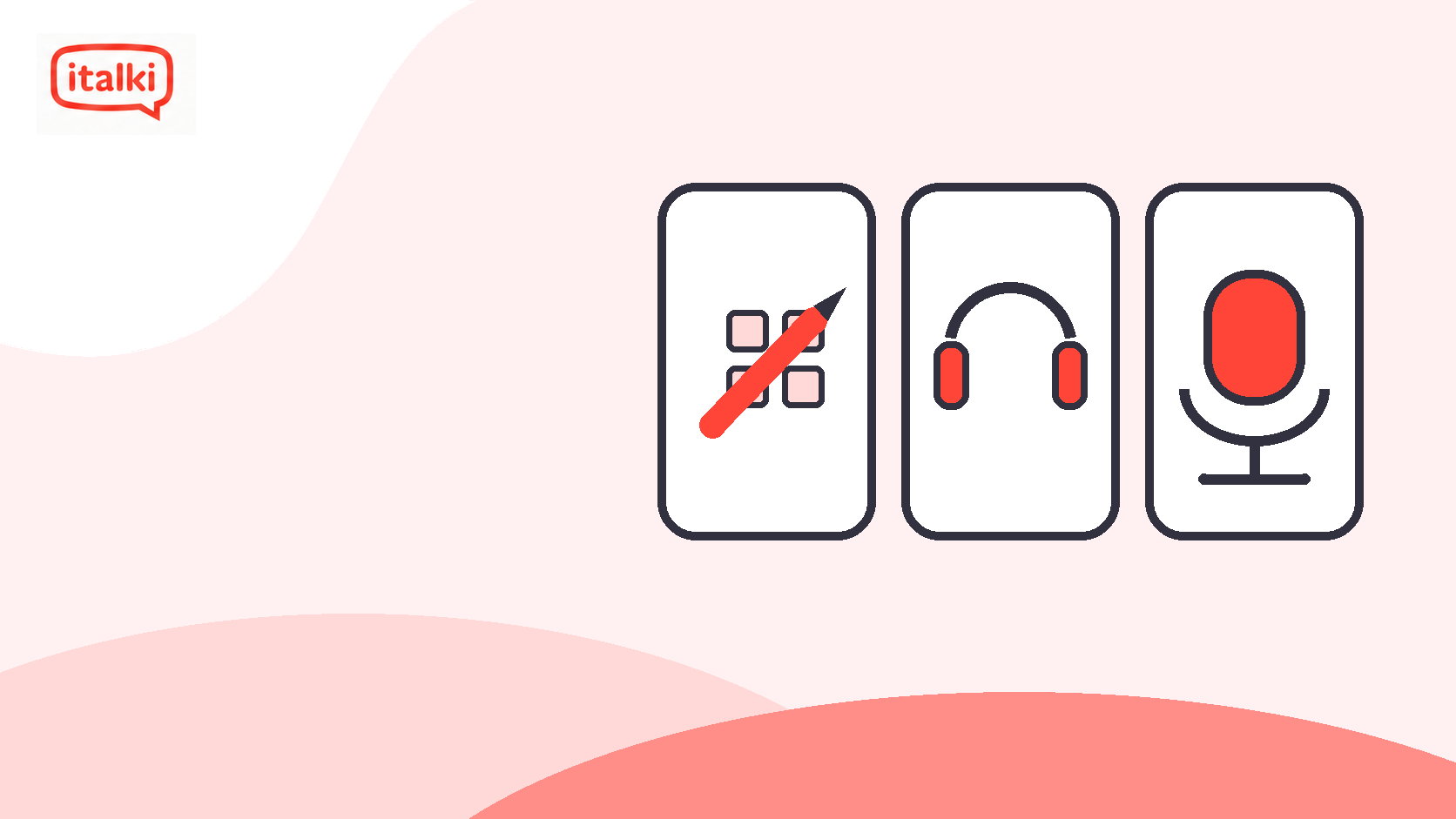
Most Spanish proficiency exams test four core skills: reading, listening, writing, and speaking. Each section assesses different parts of your ability to use the language in various contexts.
The exact format varies by assessment. DELE and CELU include all four skills as required parts. SIELE offers modular options where you take individual sections or the complete exam based on your specific needs. CLEP focuses on listening and reading comprehension with limited production skills.
Most exams last between 2-4 hours total, though this depends on the level and type of certification. Higher levels (B2, C1, C2) generally require longer testing periods and more complex tasks. Test takers at elementary and basic levels face simpler tasks, while advanced students need to show they understand expressions related to complex topics and use language flexibly in unfamiliar situations.
Speaking sections typically involve face-to-face interaction with examiners (DELE, CELU) or computer-recorded responses (SIELE, CLEP). Writing tasks range from short emails or messages at lower levels to formal essays and reports at advanced levels that require you to express ideas on abstract topics with precision.
Understanding the structure helps you prepare strategically for each part and figure out where to focus your study time.
Want targeted practice for each skill? Work with Spanish teachers online who spot your weak areas and build your confidence across all four language skills.
Find Your Perfect Teacher
Your Spanish doesn’t have to sound like a textbook. Get personalized lessons from native tutors who’ll help you speak naturally, not just correctly.
Book a trial lesson
How do you prepare for a Spanish proficiency exam?
Good preparation combines regular practice, smart study habits, and expert guidance to help you learn effectively and efficiently.
- Set a realistic timeline
Most learners need 2-6 months of focused preparation depending on their current level and target score. If you’re starting from scratch or at a lower level, understanding how long it takes to learn Spanish to reach your target proficiency helps you set realistic expectations.
Creating a study schedule with specific weekly goals keeps you on track and helps you monitor your progress toward your desired Spanish proficiency level.
- Practice all four skills regularly
Don’t skip any section. If you’re stronger in reading than speaking, spend more time on spoken practice. Balance is key because most language exams require passing all sections to earn your certificate or degree.
- Use authentic materials
Read Spanish newspapers, watch shows without subtitles, and listen to podcasts. This exposure builds the real-world Spanish language comprehension skills that exams test and helps you understand how native speakers communicate in familiar contexts. Authentic Spanish content speeds up your learning and prepares you for the variety of accents and expressions you’ll hear on exam day.
- Take practice tests under exam conditions
Timing yourself and recreating test day pressure helps you manage anxiety and pace yourself appropriately during the actual exam. Read the directions carefully for each section so you understand exactly what each question asks you to do.
- Study the exam format thoroughly
Each certification has specific task types and requirements. Get familiar with exactly what you’ll see so nothing surprises you. Understanding if you need to select answers from multiple choices or write complete responses affects how you prepare.
- Focus on your weak points
Practice tests show you where you struggle. Spend your study time improving those specific areas rather than practicing what you already do well. If you have trouble with listening comprehension, spend more time with spoken materials. If writing challenges you, practice writing clear texts regularly.
- Build vocabulary in context
Memorizing isolated words rarely works long-term. Instead, pick up new vocabulary and expressions through reading and listening, then practice using them in your own writing and speaking. Pay attention to expressions related to common topics you’ll see on the test.
- Get regular feedback
Self-study has limits. You can’t accurately judge your own speaking fluency or catch your recurring grammar mistakes without an experienced person to review your work and give you guidance. A Spanish teacher spots patterns in your errors, corrects your pronunciation in real-time, and pushes you to use more advanced vocabulary as your Spanish skills improve.
Book a trial lesson with a Spanish proficiency test tutor who creates a personalized study plan based on your current level and test date, helping you learn more efficiently than generic courses.

Related guide: Taking proficiency exams in other languages? Check out our complete guide to French proficiency exams for DELF, DALF, and TCF preparation.
How to pass the Spanish proficiency exam
Success comes from using the right resources and study methods that match your learning style and goals.
One-on-one tutoring on italki
Working with an online Spanish tutor gives you personalized attention that group classes and apps can’t match. Your tutor spots your specific weaknesses, gives you immediate correction, and adapts lessons to your learning style and exam requirements. This individualized approach helps you progress faster than standard language courses designed for large groups of students.
italki connects you with over 30, 000 teachers including professionals who specialize in exam preparation. You choose your schedule, pick professionals with exam expertise, and get affordable one-on-one instruction.
Many tutors offer trial lessons so you find the perfect match before committing. Do you need to improve your reading comprehension, practice spoken Spanish, or develop better writing skills? You’ll find tutors who focus on your specific needs.
Over 10 million learners worldwide have used the platform to reach their language goals. The flexibility of online lessons means you keep up consistent practice even with a busy schedule at work or school. Tutors also help you understand implicit meaning in texts, practice abstract topics in conversation, and learn to interact in professional contexts.
Find Your Perfect Teacher
Learn from native tutors who can help you tackle the exam with confidence. Focus on the vocabulary, grammar, and speaking skills that really matter for your test.
Book a trial lesson
Official exam samples
Every major exam provides official practice materials. Instituto Cervantes offers sample DELE exams with authentic tasks and scoring guides. The American Council on the Teaching of Foreign Languages (ACTFL) also provides proficiency guidelines and reference materials. These resources show you exactly what examiners expect and help you calibrate your preparation.
Download past papers, review scoring rubrics, and study model answers. This gives you insider knowledge about how responses get scored and what makes a complete, well structured answer versus a basic response. Pay careful attention to the directions for each section and how test takers should format their responses.
Preparation books
Quality exam prep books provide structured lessons, practice exercises, and test-taking strategies. These books often include teaching materials and explanations that help you understand not only what the correct answer is, but why it’s correct.
Books work well alongside Spanish tutoring because they offer detailed grammar explanations and exercises you do independently. Many include audio parts for listening practice and model essays for writing sections.
Apps and listening resources
Spanish apps like, Anki (for spaced repetition flashcards), and News in Slow Spanish build daily language exposure. Podcasts such as Coffee Break Spanish and Radio Ambulante give you listening practice at various levels, from elementary to advanced. These free or low-cost resources help you learn vocabulary, improve your ability to understand spoken content, and stay motivated.
However, apps alone won’t prepare you for production tasks like speaking and writing. Use them as extras to your core study methods. They’re great for building vocabulary and expressions, but you need human interaction to develop fluency and receive feedback on your actual performance.
Study groups or communities
Connecting with other candidates gives you motivation, resource sharing, and practice partners. Online forums, Facebook groups, and language exchange platforms let you discuss challenges and strategies with fellow students preparing for the same test.
Study groups work especially well for speaking practice with peers at similar levels, though they can’t replace expert feedback from qualified instructors. You practice familiar topics in conversation, describe experiences to each other, and build confidence before test day. However, without professional guidance, you might not catch errors or understand how well your responses meet exam standards.
Choosing the right combination of resources makes all the difference. For a complete breakdown of learning tools, from textbooks to podcasts to language exchange platforms, see our guide on the best resources for learning Spanish.
Ace your Spanish proficiency exam on your first attempt. Learn Spanish faster with personal guidance from expert Spanish teachers trusted by over 10 million learners worldwide. Book a trial lesson today.
Find Your Perfect Teacher
Your Spanish doesn’t have to sound like a textbook. Get personalized lessons from native tutors who’ll help you speak naturally, not just correctly.
Book a trial lesson
FAQ
What does a Spanish proficiency test consist of?
A Spanish proficiency test consists of four main sections: reading comprehension, listening comprehension, written expression, and oral expression. Reading and listening sections test your ability to understand Spanish texts and conversations. Writing and speaking sections check how well you produce Spanish in different situations and communicate your ideas effectively.
Is DELE or SIELE better?
DELE is better if you need a permanent certificate with maximum international recognition, especially for academic or immigration purposes. SIELE is better if you need results quickly (within 3 weeks vs. 3 months for DELE), prefer computer-based testing, or want flexibility to take only specific sections. DELE certificates never expire, while SIELE results are valid for 5 years.
Is the Spanish CLEP exam difficult?
The Spanish CLEP exam is moderately difficult and assumes you have skills equivalent to 1-2 years of college Spanish study (roughly B1-B2 level on the Common European Framework). It focuses on listening and reading rather than production skills, which many test takers find easier than speaking or writing sections.
How hard is the Spanish Praxis exam?
The Spanish Praxis exam is challenging because it requires advanced proficiency (C1 or higher) plus teaching knowledge. The test checks your interpretive, interpersonal, and presentational skills alongside your understanding of teaching methods and cultural competence.
Want to learn a language at italki?
Here are the best resources for you!