Key takeaways
- italki has helped thousands of students learn Spanish for a variety of goals, including preparing for job interviews in Spanish and successfully landing the role.
- Book at least one mock interview session with a business Spanish tutor to rehearse realistic scenarios and get personalized feedback on your pronunciation and grammar.
Preparing for a job interview in Spanish can feel a bit intimidating, especially if it’s your first job interview in a Spanish-speaking country. The good news is that with the right phrases, vocabulary, and a bit of practice, you can go in feeling calm, confident, and ready to shine.
This guide gives you 50 essential phrases, questions, and tips for a successful Spanish job interview. You’ll learn everything from simple greetings like “mucho gusto” to how to talk about your last job, highlight your skills, and answer common questions with ease. We’ll also share cultural tips so you can make a great impression and communicate naturally.
To get the most out of your preparation, work with a Spanish business tutor to help you practice speaking and get real-time feedback that boosts your confidence and helps you land that dream job.

50 essential vocabulary for a job interview in Spanish
1. Greeting and politeness
| # | Spanish Phrase | English Translation |
|---|---|---|
| 1 | Hola | Hello |
| 2 | Mucho gusto | Nice to meet you |
| 3 | Encantado/a de conocerle | Pleased to meet you |
| 4 | Es un placer conocerle | It’s a pleasure to meet you |
| 5 | Buenos días | Good morning |
| 6 | Buenas tardes | Good afternoon |
| 7 | Gracias por su tiempo | Thank you for your time |
| 8 | Un gusto estar aquí | A pleasure to be here |
2. Self-introduction
| # | Spanish Phrase | English Translation |
|---|---|---|
| 9 | Me llamo [Nombre] | My name is [Name] |
| 10 | Me desempeño como [profesión] | I work as a [profession] |
| 11 | Tengo [años] de experiencia en [área] | I have [years] of experience in [area] |
| 12 | Soy de [país/ciudad] | I’m from [country/city] |
| 13 | Me gustaría presentarme | I’d like to introduce myself |
| 14 | En mi puesto anterior en [empresa] me encargaba de… | In my previous role at [company], I was responsible for… |
| 15 | Esta es mi primera entrevista profesional | This is my first professional interview |
3. Talking about professional experience
| # | Spanish Phrase | English Translation |
|---|---|---|
| 16 | Mi último trabajo fue en [empresa] | My last job was at [company] |
| 17 | He liderado proyectos de [tema] | I have led projects on [topic] |
| 18 | Tengo experiencia en [área] | I have experience in [area] |
| 19 | He trabajado con equipos de [tipo] | I have worked with [type] teams |
| 20 | Mis responsabilidades incluían [tarea] | My responsibilities included [task] |
| 21 | Me siento orgulloso/a de [logro] | I am proud of [achievement] |
| 22 | He gestionado [proceso/proyecto] con éxito | I successfully managed [process/project] |
4. Discussing skills and strengths
| # | Spanish Phrase | English Translation |
|---|---|---|
| 23 | Háblame de tus fortalezas | Tell me about your strengths |
| 24 | Me destaco en [habilidad] | I excel at [skill] |
| 25 | Soy bueno/a en [habilidad] | I’m good at [skill] |
| 26 | Tengo habilidades en [tema] | I have skills in [topic] |
| 27 | Me considero [adjetivo] | I consider myself [adjective] |
| 28 | Soy una persona [adjetivo] | I am a [adjective] person |
| 29 | Me gusta enfrentar retos y aprender rápido | I enjoy facing challenges and learning quickly |
5. Asking questions about the role
| # | Spanish Phrase | English Translation |
|---|---|---|
| 30 | ¿Cuáles son las responsabilidades del puesto? | What are the responsibilities of this position? |
| 31 | ¿Cómo es el equipo de trabajo? | What is the team like? |
| 32 | ¿Qué oportunidades de desarrollo ofrece la empresa? | What development opportunities does the company offer? |
| 33 | ¿Qué cualidades buscan en un candidato ideal? | What qualities are you looking for in an ideal candidate? |
| 34 | ¿Cuál sería un buen primer proyecto para mí? | What would be a good first project for me? |
6. Expressing motivation and interest
| # | Spanish Phrase | English Translation |
|---|---|---|
| 35 | Estoy muy interesado/a en este puesto | I am very interested in this position |
| 36 | Me entusiasma la idea de unirme a su equipo | I’m excited about joining your team |
| 37 | Espero poder aportar mis habilidades al equipo | I hope to contribute my skills to the team |
| 38 | Estoy dispuesto/a a aprender y crecer | I’m willing to learn and grow |
| 39 | Me gustaría avanzar profesionalmente aquí | I would like to advance professionally here |
| 40 | Estoy motivado/a para asumir nuevos retos | I’m motivated to take on new challenges |
7. Clarifying or buying time
| # | Spanish Phrase | English Translation |
|---|---|---|
| 41 | ¿Podría repetir la pregunta, por favor? | Could you repeat the question, please? |
| 42 | No estoy seguro/a, pero puedo explicarlo | I’m not sure, but I can explain |
| 43 | ¿Me permite un momento para pensar? | May I have a moment to think? |
| 44 | Permítame aclarar eso | Allow me to clarify that |
| 45 | Déjeme darle un ejemplo | Let me give you an example |
8. Closing the interview
| # | Spanish Phrase | English Translation |
|---|---|---|
| 46 | Gracias por la oportunidad | Thank you for the opportunity |
| 47 | Ha sido un placer conversar con usted | It’s been a pleasure speaking with you |
| 48 | Quedo atento/a a sus comentarios | I’ll be looking forward to your feedback |
| 49 | Me encantaría formar parte del equipo | I would love to join the team |
| 50 | Espero tener noticias suyas pronto | I hope to hear from you soon |
Protip: Don’t try to memorize these phrases word for word. Focus on understanding the structure so you can adapt them to your specific situation. Practice with a native speaker helps you sound natural rather than rehearsed.

Cultural tips for Spanish-speaking job interviews
Expectations differ slightly between Madrid, Mexico City, and Buenos Aires, but they share many common norms that matter for your success.
Formality (usted vs tú): In Spain, start with usted and switch to tú only if the interviewer invites you (“Puedes tutearme”). In Mexico, Colombia, and Central America, usted is used more extensively, even among younger professionals. When wondering which to use, usted is always safer.
Punctuality: Arrive 10 minutes early for in-person interviews. In Spain and most of Latin America, punctuality signals respect for the interviewer’s time. If you will be late, call or message immediately.
Dress code: Business formal remains standard for most industries in Spain. In Latin America, expectations vary by country and sector—when in doubt, dress more formally than you think necessary.
Interview structure: Spanish-speaking interviews tend to be more conversational than Anglo-Saxon ones. Interviewers may use humor or personal questions to create rapport. Stay positive and engage warmly without becoming too casual.
Communication style: Spanish business culture values personal connection. Answers can be slightly longer and more contextualized than in English interviews. For example, where an English answer might be “I increased sales by 20%,” a Spanish answer might include brief context: “En un momento difícil para el sector, logramos aumentar las ventas en un 20% gracias al trabajo en equipo.”
Protip: Get guidance from a native Spanish tutor in your target country. A tutor from Mexico, for example, can show you how local expectations differ from Spain or Argentina.


Find Your Perfect Teacher
At italki, you can find your Spanish tutor from all qualified and experienced teachers. Now experience the excellent language learning journey!
Book a trial lesson
How a Spanish tutor can help you succeed
If you want to prepare for a job interview in Spanish efficiently, working with a Spanish tutor on italki is the fastest path from theory to real-world readiness. Unlike language apps or self-study, tutors give you personalized mock interviews, correct your actual answers, and adjust their feedback to your industry and target country.
Practical benefits:
- Realistic simulations: Tutors act as interviewers and ask follow-up questions just like a real hiring manager would
- Personalized correction: They fix grammar, vocabulary, and pronunciation issues specific to your answers
- Industry vocabulary: Tutors can focus on IT, finance, healthcare, tourism, or whatever sector you are targeting
- Cultural guidance: A tutor from Spain knows Madrid interview norms; a Mexican tutor understands Mexico City expectations
Suggested lesson formats:
- 30-minute rapid-fire Q&A: Great for drilling common questions and improving fluency
- 60-minute full simulated interview: Mimics real conditions with no pauses or English
- Feedback-focused session: Tutor provides written notes and corrections after reviewing your answers
You can choose tutors from specific countries to match your company’s dialect and cultural context. Preparing for a role in a Spanish-speaking country like Mexico? Find a Mexican tutor. Interviewing with a company in Barcelona? Choose someone from Spain.
Schedule a trial session a few days before your interview to test your answers under realistic pressure. The confidence you gain from practicing with a real person beats any amount of solo preparation.
Find a Spanish Business tutor now
Frequently Asked Questions
How do you introduce yourself in Spanish for an interview?
Greet politely, say your name, and mention your profession or experience. Example: Buenos días, me llamo Ana. Soy especialista en marketing con cinco años de experiencia.
How do you say job interview in spanish
Entrevista de trabajo or entrevista laboral.
Do I need to be fluent in Spanish for a job interview?
No. Many employers accept intermediate Spanish (B1–B2) for roles where Spanish is used but not the only language. What matters most is that you communicate clearly, listen carefully, and show willingness to improve. Be honest about your level instead of pretending to be fluent.
Should I switch to English if I get stuck during the interview?
Try to stay in Spanish as much as possible. If you don’t understand a question, politely ask: “¿Podría repetir la pregunta, por favor?” or “Disculpe, no estoy seguro/a de haber entendido bien.” Switching to English can suggest you might struggle in a Spanish-speaking work environment.
How different are interviews in Spain vs Latin America?
The structure is similar, but cultural differences matter. In Spain, interviews often start formal but can shift to casual conversation quickly. In Latin America, “usted” is usually used longer, and building personal rapport is very important. Vocabulary also changes (e.g., ordenador vs computadora, currículum vs hoja de vida). A native tutor from your target country can explain the local expectations.
How long does it take to prepare for a Spanish job interview with a tutor?
Most learners see significant improvement with 3-5 focused sessions over one to two weeks. A single 60-minute mock interview can reveal your biggest weaknesses. Additional sessions let you refine answers, build vocabulary, and gain confidence. If your interview is in a week, start immediately.
What if I make mistakes during the interview?
Mistakes are normal, even for native speakers. Spanish interviewers generally appreciate candidates who stay calm, correct themselves gracefully, and continue with confidence. Phrases like “Perdón, quise decir…” (Sorry, I meant to say…) show self-awareness without derailing the conversation. Stay positive and keep going.
Should my resume be in Spanish or English?
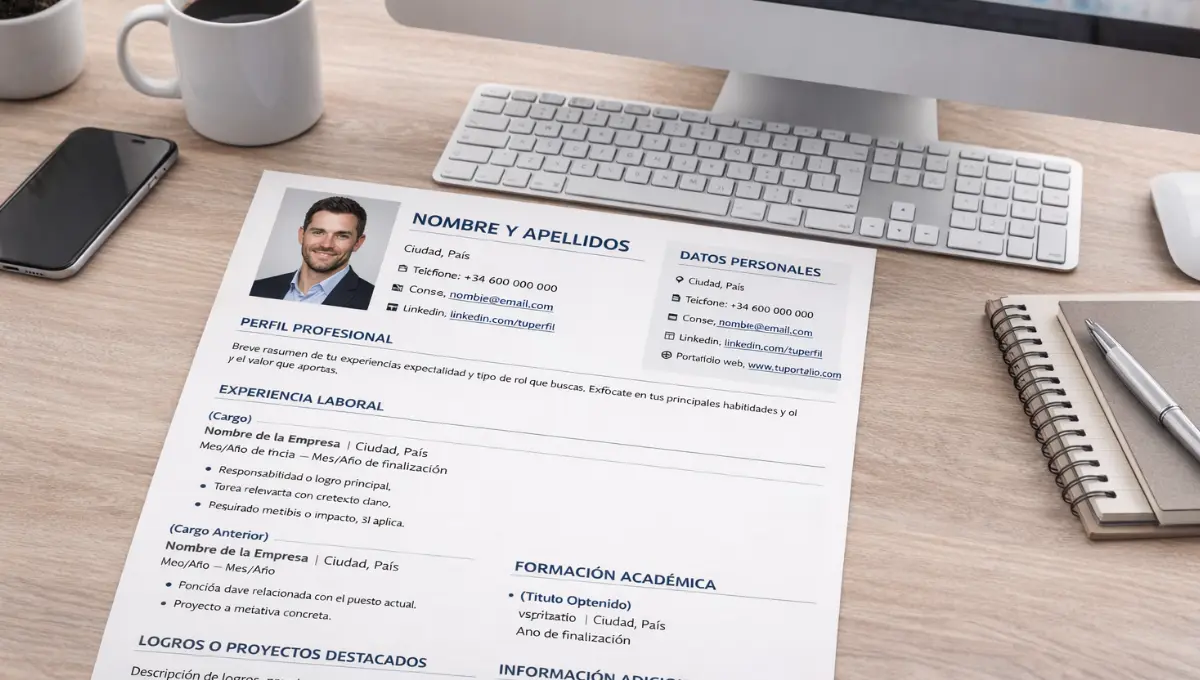
Submit your Spanish resume whenever applying for a role in a Spanish-speaking country or company.
Want to learn a language at italki?
Here are the best resources for you!